Professional Equipment Manufacturer


 Esperanto
 Shqiptare
 Euskara
 Zulu
Zulu
 Latinus
 Cymraeg
 தமிழ்
தமிழ்
 Slovak
 Slovak
 Afrikaans


X-ray Machines: The Invisible Heroes of Electronic Component Repair
2025-01-04
In the intricate dance of electrons within a circuit board, the precision with which each component performs its function is paramount. When these microscopic maestros falter, the entire symphony falls apart. Enter the unsung saviors of the circuitry world—X-ray machines. These high-tech heroes are essential for diagnosing and repairing the minute components that hide beneath the surface of electronic boards.Let's learn more about it together~
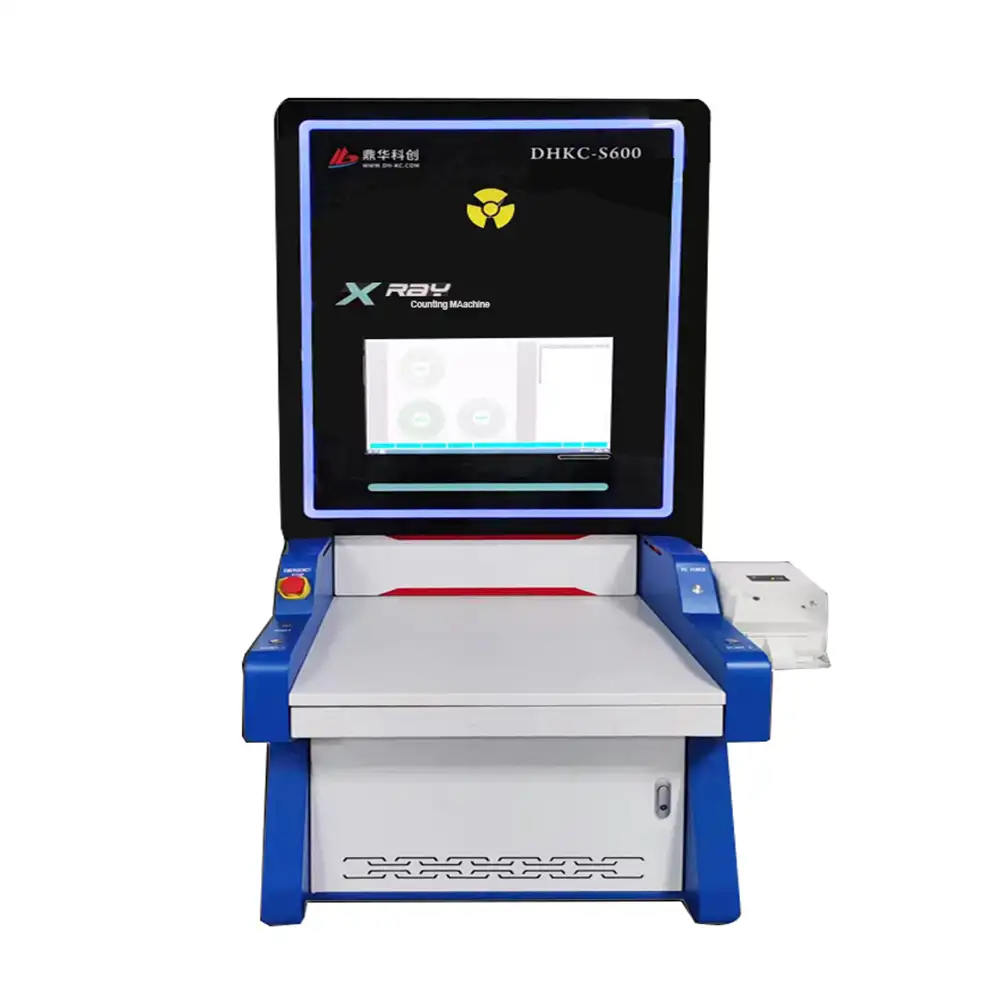
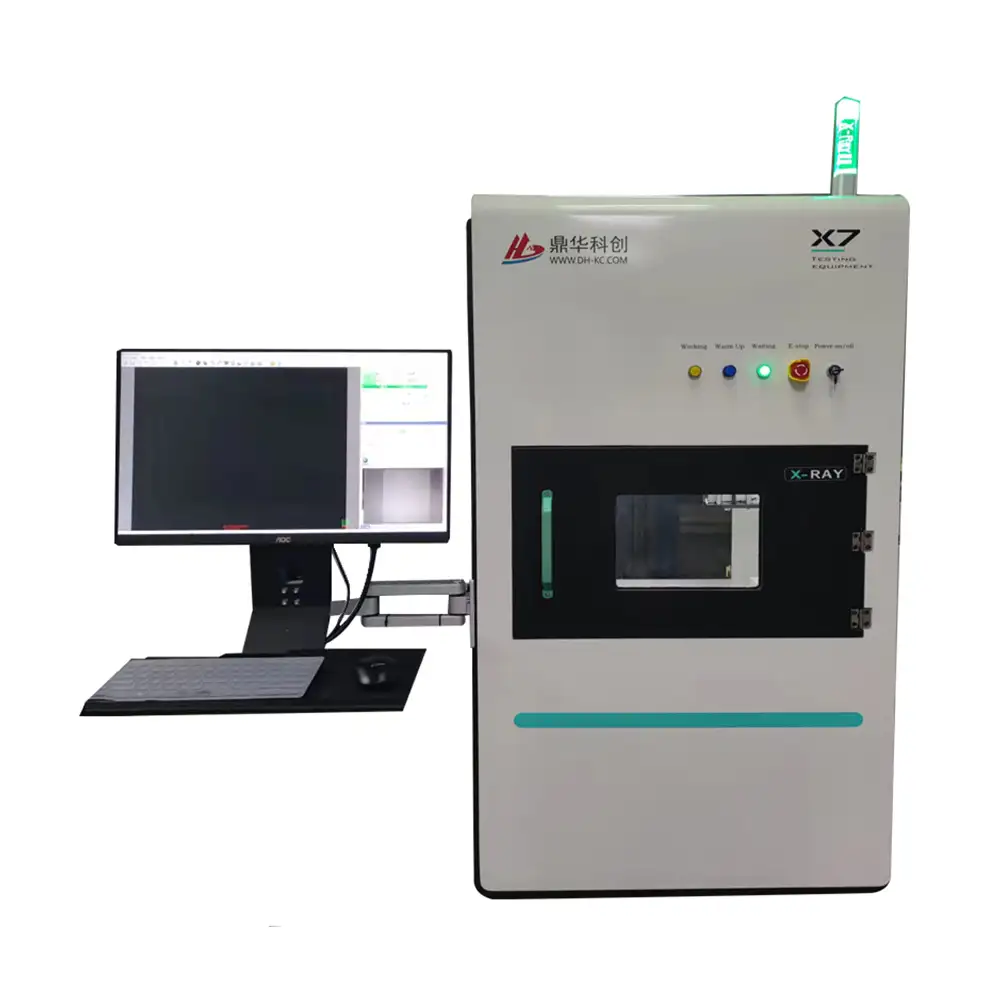
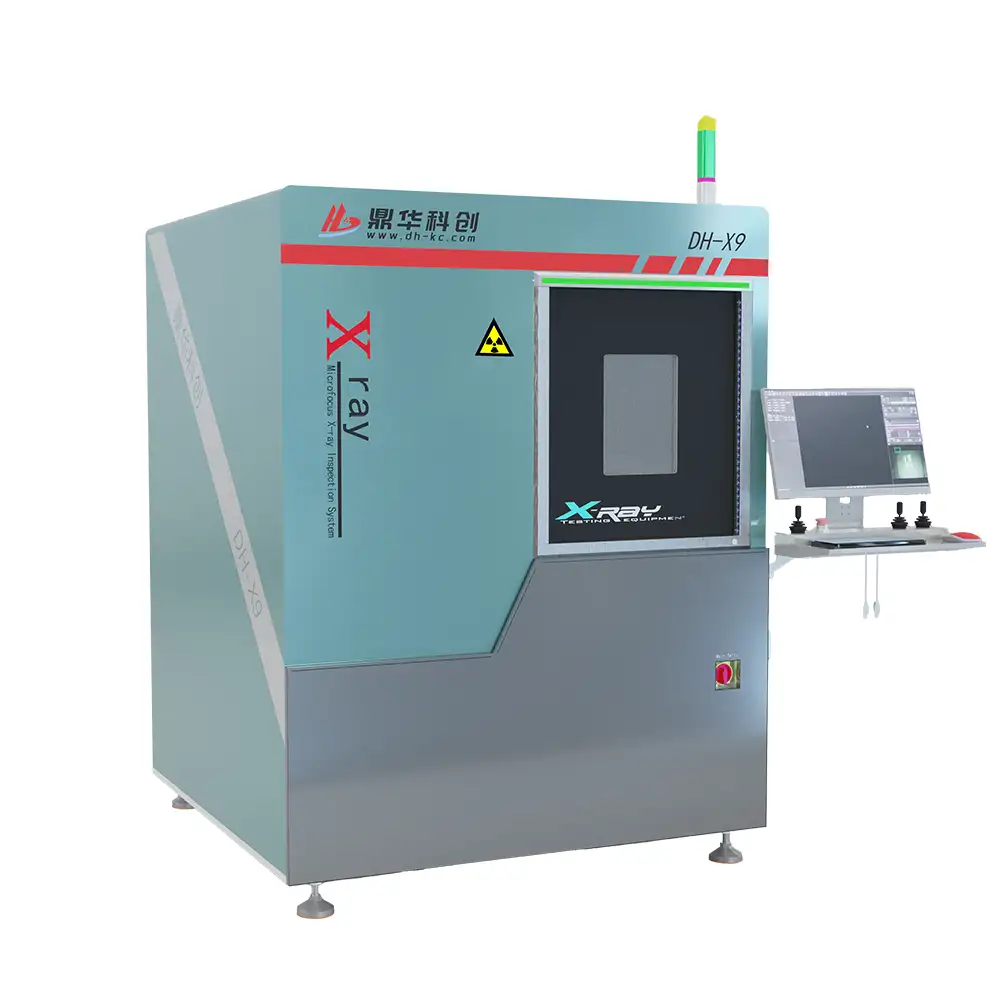
At the heart of an X-ray machine's utility in electronic repairs lies its ability to penetrate deep into the layers of a circuit board and reveal hidden imperfections or damages. Unlike traditional visual inspection methods that are limited to the surface, X-ray machines employ powerful rays that can see through materials, capturing detailed images of what lies beneath. This capability is crucial for identifying issues such as solder joint defects, micro-cracks in components, or incorrect chip installations that are not visible to the naked eye.
The technology behind X-ray machines involves the emission of X-rays from an X-ray tube. These rays interact with the materials on the circuit board in varying degrees depending on their density. Dense materials like metal components absorb more X-rays, while less dense materials allow more rays to pass through. The resulting image, captured by sophisticated digital sensors, reveals the internal structure and condition of the electronic components without any need for physical dissection.
One of the significant advantages of using X-ray machines in electronic repairs is their non-destructive inspection method. By allowing technicians to look inside the device without having to open or disassemble it, X-ray machines maintain the integrity and functionality of the electronic devices. This is particularly important for sensitive equipment where opening the casing could void warranties or damage delicate internal structures.
Furthermore, X-ray machines greatly enhance the efficiency and accuracy of repairs. They enable technicians to quickly identify the exact location and nature of a problem, which speeds up the repair process and reduces downtime. This is especially beneficial in industries where time equals money, such as manufacturing and aerospace, where equipment reliability is critical.
Beyond just repair, X-ray machines play a crucial role in the quality control process during the manufacturing of electronic components. By ensuring that each component is correctly installed and free from defects, they help in maintaining high standards of production quality. This proactive approach minimizes the likelihood of failures and recalls, safeguarding both consumer safety and brand reputation.
As we advance into an era dominated by even smaller and more complex electronic devices, the role of X-ray machines becomes increasingly vital. Their ability to provide a clear view into the hidden aspects of electronic assemblies ensures that whether it’s a simple household appliance or a sophisticated piece of aerospace technology, the path to effective diagnosis and repair is clear—literally and figuratively.
In conclusion, X-ray machines are indispensable allies in the realm of electronic component repair. Their ability to deliver precise internal imaging makes them an essential tool for diagnostics, quality control, and repair, ensuring that our electronic devices continue to operate at peak performance. As technology continues to evolve, so too will the capabilities of these remarkable machines, ensuring they remain at the cutting edge of electronic maintenance and repair.
Keywords:

Related News

High-Speed X-ray Component Counter Machine for SMT Inventory
In high-mix, low-volume SMT manufacturing, manual component counting is a major bottleneck that drains labor hours and introduces costly inventory discrepancies. The Dinghua X-ray Counter Machine completely revolutionizes your warehouse management. By utilizing advanced industrial X-ray imaging combined with AI deep-learning algorithms, this system allows operators to calculate the exact component count of full SMD reels, tubes, or trays in seconds—without ever breaking the factory moisture-barrier seal.

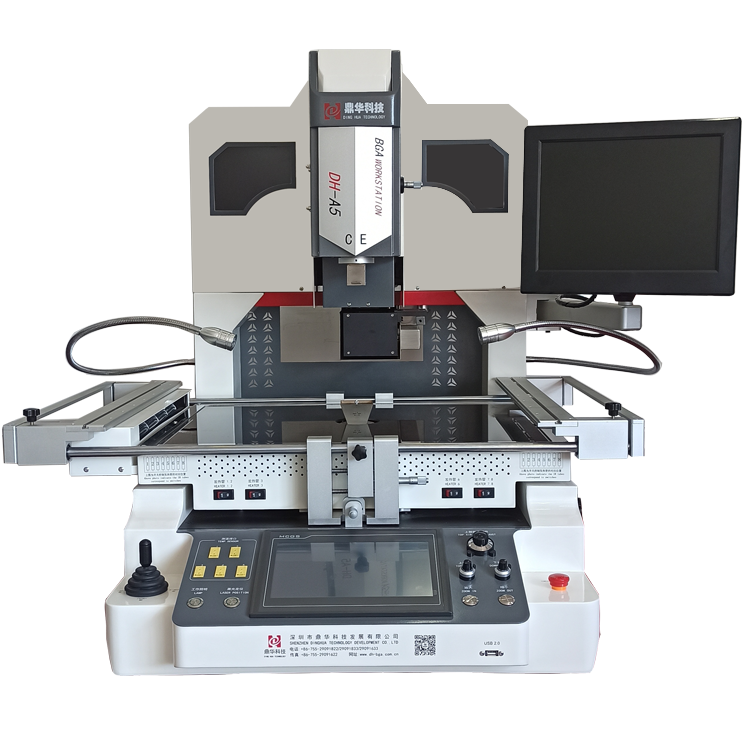
Complete Guide to BGA Rework Station 2026: Tips for PCB Repair & Manufacturing
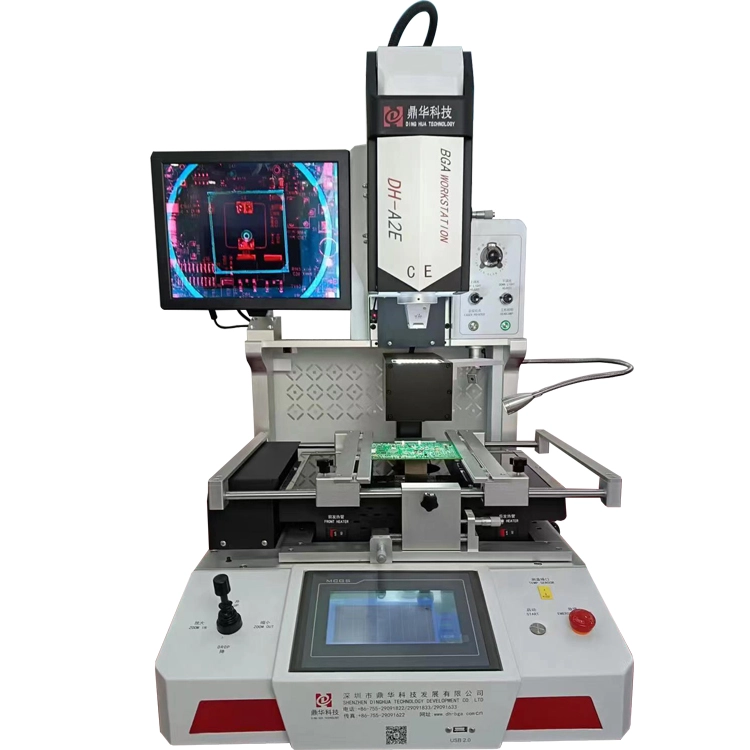
This 2026 guide covers everything you need to know about BGA rework stations, from core definitions to selection, operation, and maintenance. We draw on 15 years of hands-on experience manufacturing and testing BGA rework equipment, plus data from leading electronics industry associations to deliver unbiased, actionable advice. You’ll find step-by-step guides, comparison data, and answers to common questions to help you choose or use your BGA rework station correctly.

Complete Guide to Nondestructive Testing Equipment for Electronics Quality Control 2026
This comprehensive 2026 guide covers core knowledge of Nondestructive Testing Equipment, from basic definitions to practical selection and application tips, with a focus on the electronics manufacturing industry. We share hands-on testing insights, comparison data, and expert recommendations from our 15+ years of NDT manufacturing experience to help you find the right solution.
2026 Complete Guide to BGA Rework Station: Types, Uses & Buying Tips
This 2026 expert guide covers every critical aspect of BGA rework stations, from basic definitions and core components to step-by-step processes, model comparisons, and buying guidance. We draw on 12 years of hands-on testing and manufacturing experience from www.xraybgamachine.com, align with global IPC and RoHS standards, and answer common questions professionals have when purchasing a new station. This guide helps you make an informed buying decision for any facility size.


Contact Us
> Tel: +8615768114827 /+86-755-29091822
> Fax: +86-0755-29091622
> Email: John@dh-kc.com
> Address: 4th Floor, Building 6B, Shengzuozhi Technology Park, Xinqiao(518125),Bao'an,Shenzhen, Guangdong, China.

Copyright © 2024 Shenzhen Dinghua Innovation Technology Co., Ltd. All Rights Reserved.