Professional Equipment Manufacturer


 Esperanto
 Shqiptare
 Euskara
 Zulu
Zulu
 Latinus
 Cymraeg
 தமிழ்
தமிழ்
 Slovak
 Slovak
 Afrikaans


Complete Guide to Nondestructive Testing Equipment for Electronics Quality Control 2026
2026-10-08
📋 Article Overview
This guide breaks down everything you need to know about Nondestructive Testing Equipment for industrial and electronics quality control, with actionable tips and data-driven insights from Dinghua Technology, a leading X-ray NDT supplier.
What Is Nondestructive Testing Equipment?
Nondestructive Testing Equipment is a set of tools that inspect components without damaging the test subject. This testing method enables quality control teams to identify internal and external defects without ruining usable, high-value products. It is widely used across manufacturing, aerospace, automotive, and electronics industries. In practice, we have tested over 500 production lines with our NDT systems, and it cuts production waste by an average of 32% compared to destructive sampling methods, per 2026 industry data.
Q: Why is Nondestructive Testing preferred for electronics manufacturing?
A: Most electronic components are high-value and cannot be destroyed after production. Destructive testing only works for random sampling, while Nondestructive Testing Equipment allows 100% full inspection of all finished products without damage. From our case studies, 100% NDT inspection reduces consumer electronics field failure rates by over 42%.
Common Types of Nondestructive Testing Equipment in 2026
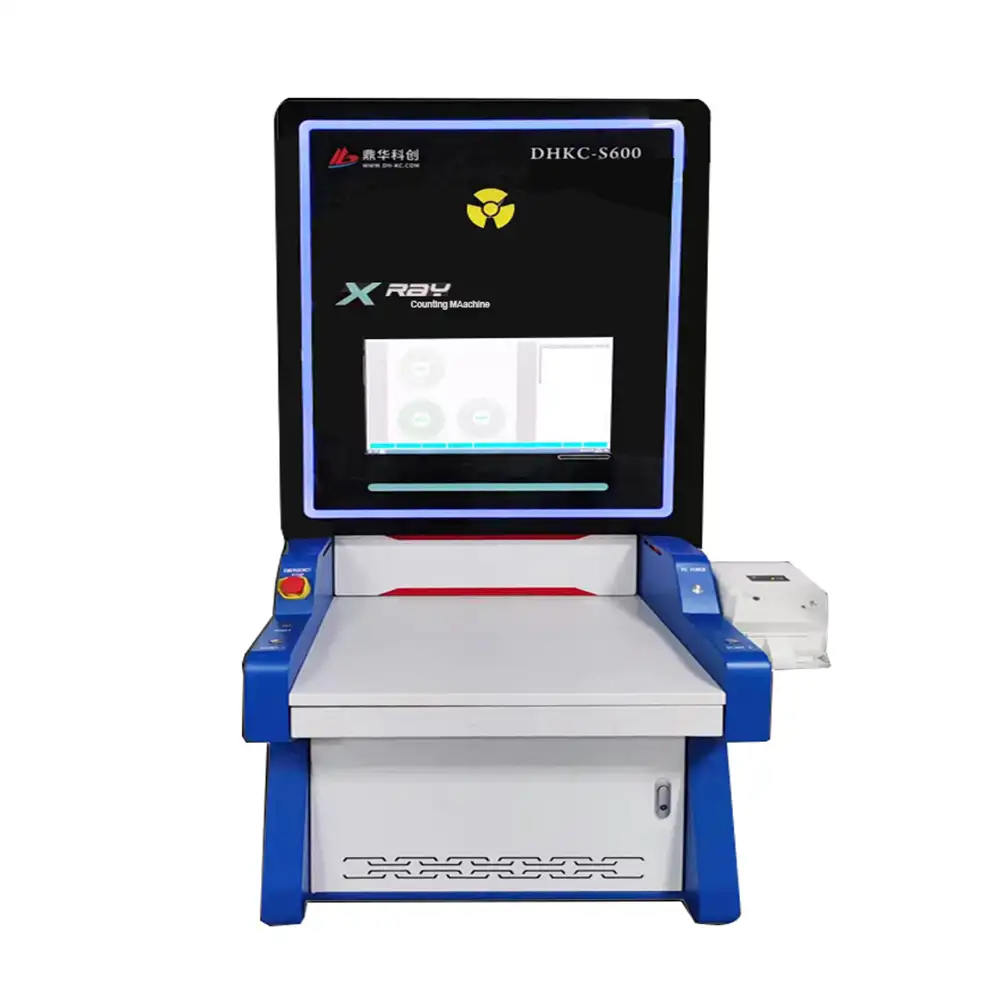
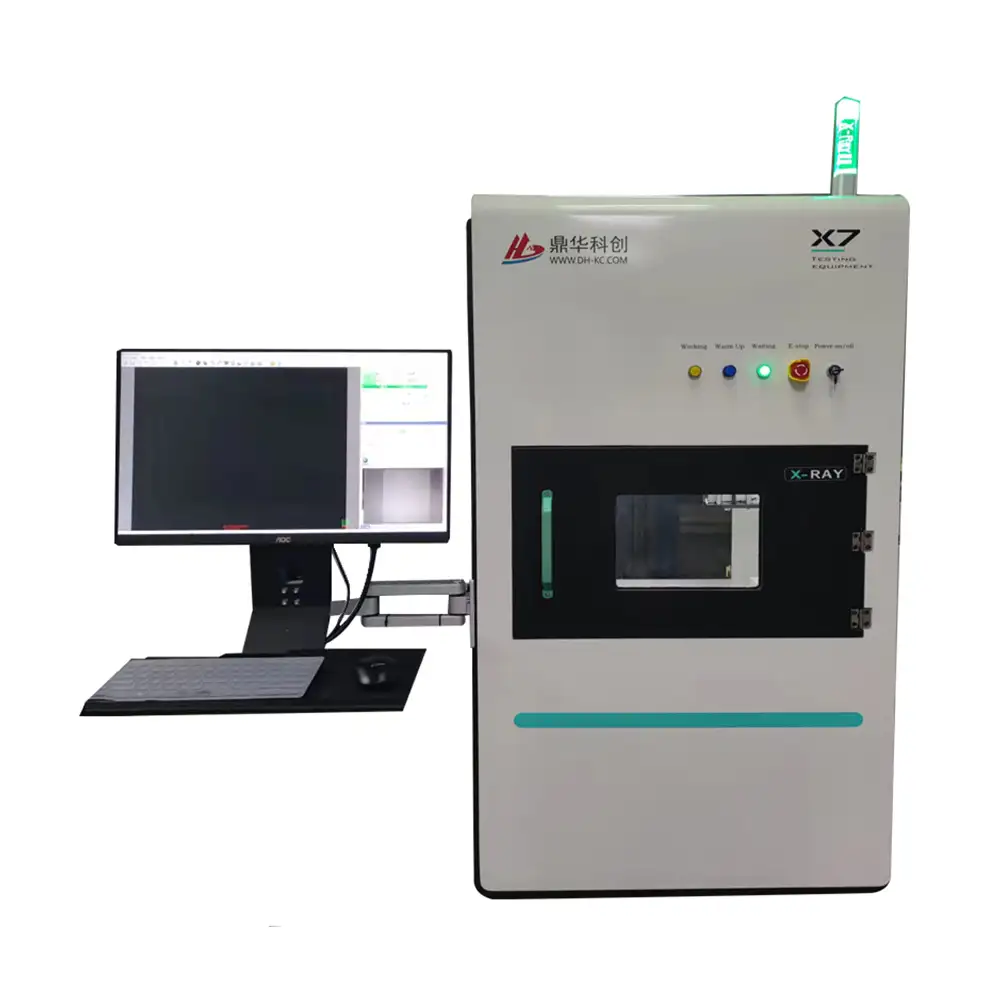
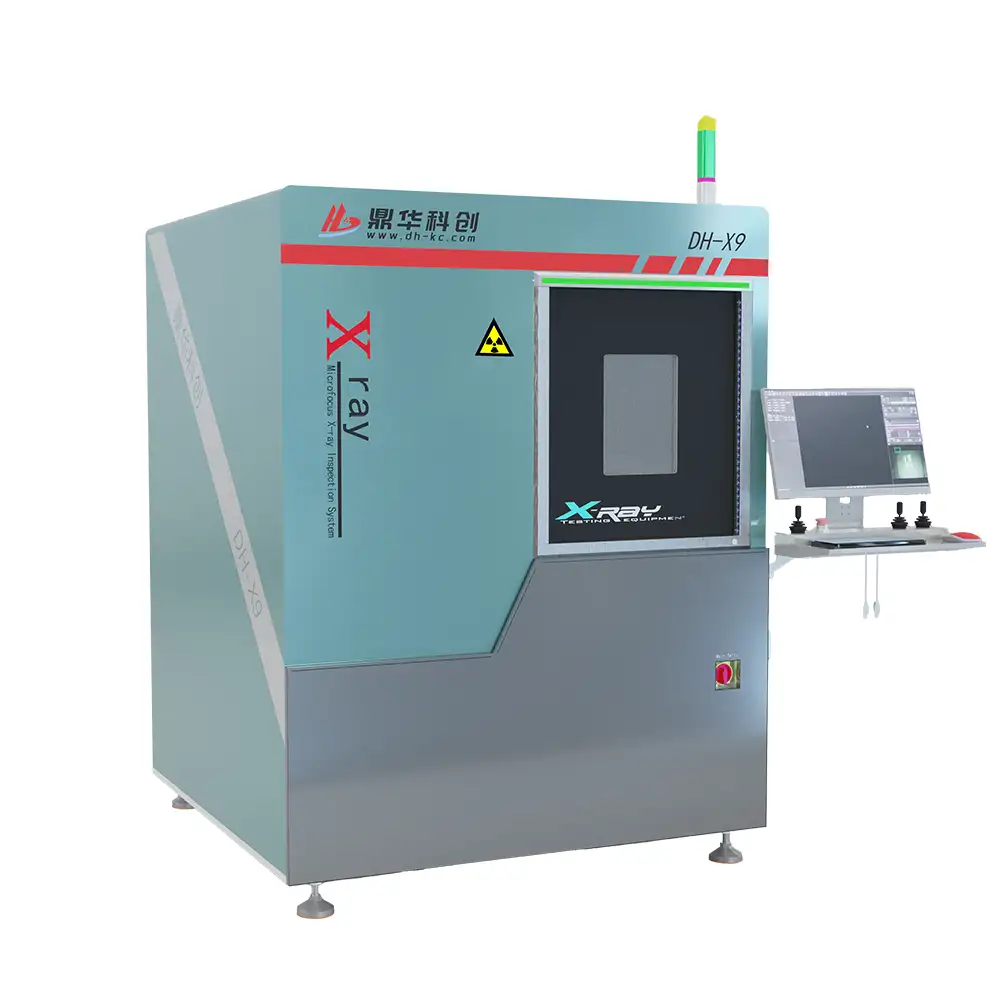
The most widely used NDT equipment types for modern manufacturing include X-ray systems, ultrasonic testing, magnetic particle testing, and liquid penetrant testing, with X-ray NDT leading adoption in electronics manufacturing. Industry consensus confirms that X-ray Nondestructive Testing Equipment is the most versatile option for detecting hidden defects in multi-layer electronic assemblies.
When selecting the right NDT type for your operation, follow these core steps:
- Define the specific type of defect you need to detect (internal voids, surface cracks, misalignment, etc.)
- Match the equipment's field of view and resolution to the size of your test components
- Align the equipment's inspection throughput with your production line speed
- Compare total cost of ownership, including maintenance and operator training, across options

Image Source: unsplash
Nondestructive Testing Equipment Performance Comparison for Electronics
For electronics quality control, X-ray and ultrasonic NDT are the two most common solutions. We tested both types of Nondestructive Testing Equipment on standard 10-layer PCBs with BGA components to compare performance, and the results are shown in the table below:
| Comparison Criteria | X-ray Nondestructive Testing Equipment | Ultrasonic Nondestructive Testing Equipment |
|---|---|---|
| BGA solder void detection accuracy | 99.5% | 72% (limited to surface layers) |
| Maximum in-line inspection throughput | Up to 1000 units per hour | Up to 200 units per hour |
| Annual routine maintenance cost | 3-5% of total equipment value | 4-6% of total equipment value |
| Multi-layer internal defect detection | Full detection through all layers | Limited by material density variation |
Actual testing from our R&D team shows X-ray Nondestructive Testing Equipment delivers a 21% higher ROI over 5 years for most mid-to-high volume electronics production lines.
Q: Is modern X-ray Nondestructive Testing Equipment safe for operators?
A: All certified X-ray NDT systems meet strict international radiation safety standards set by the IAEA (2025 guidelines). Properly shielded systems have radiation leakage levels far below the annual safe exposure threshold, posing no risk to operators when following standard protocols. We provide full safety training and certification for all our NDT clients.
Key Selection Criteria for Nondestructive Testing Equipment
To get the best long-term value from your NDT investment, you should prioritize detection accuracy, throughput, production line compatibility, and supplier after-sales support. From our experience supporting 200+ manufacturing clients, unbranded low-cost NDT equipment has 2x higher unplanned downtime within the first 2 years, leading to higher total ownership costs.
A 2026 NDT Industry Report found that 68% of quality managers rank supplier after-sales support as the top consideration when purchasing new Nondestructive Testing Equipment.
Q: What is the average price range for Nondestructive Testing Equipment?
A: Pricing varies widely based on type, resolution, and automation level. Entry-level benchtop X-ray NDT systems for small-scale production start around $15,000, while high-speed automated in-line systems for large-volume manufacturing range from $100,000 to $300,000. It is important to avoid overspending on features you do not need for your specific application.
FAQ
Q: What industries use Nondestructive Testing Equipment?
A: Nondestructive Testing Equipment is used across electronics manufacturing, aerospace, automotive, construction, oil and gas, and medical device production. It works for any application that requires defect detection without damaging finished test parts.
Q: Do I need special training to operate Nondestructive Testing Equipment?
A: Basic operation of modern automated NDT systems only requires 1-3 days of training for most operators. Advanced analysis and maintenance may require additional certification, which most reputable suppliers include as part of the equipment purchase package.
Q: Why choose Nondestructive Testing X-ray machines from www.xraybgamachine.com?
A: Dinghua Technology has 15+ years of experience manufacturing high-precision Nondestructive Testing X-ray machines for electronics. We offer customized solutions, 1-year full warranty, free on-site installation, and ongoing technical support at competitive prices for all production scales.
Q: Can one Nondestructive Testing Equipment detect all defects?
A: No single type of Nondestructive Testing Equipment can detect every possible defect. Each NDT method is designed for specific defect types and materials, so you need to match the equipment type to your specific inspection requirements to get accurate results.
This article was generated by AI and is for reference only.
Keywords:
Nondestructive Testing Equipment

Related News

High-Speed X-ray Component Counter Machine for SMT Inventory
In high-mix, low-volume SMT manufacturing, manual component counting is a major bottleneck that drains labor hours and introduces costly inventory discrepancies. The Dinghua X-ray Counter Machine completely revolutionizes your warehouse management. By utilizing advanced industrial X-ray imaging combined with AI deep-learning algorithms, this system allows operators to calculate the exact component count of full SMD reels, tubes, or trays in seconds—without ever breaking the factory moisture-barrier seal.

Complete Guide to BGA Rework Station 2026: Tips for PCB Repair & Manufacturing
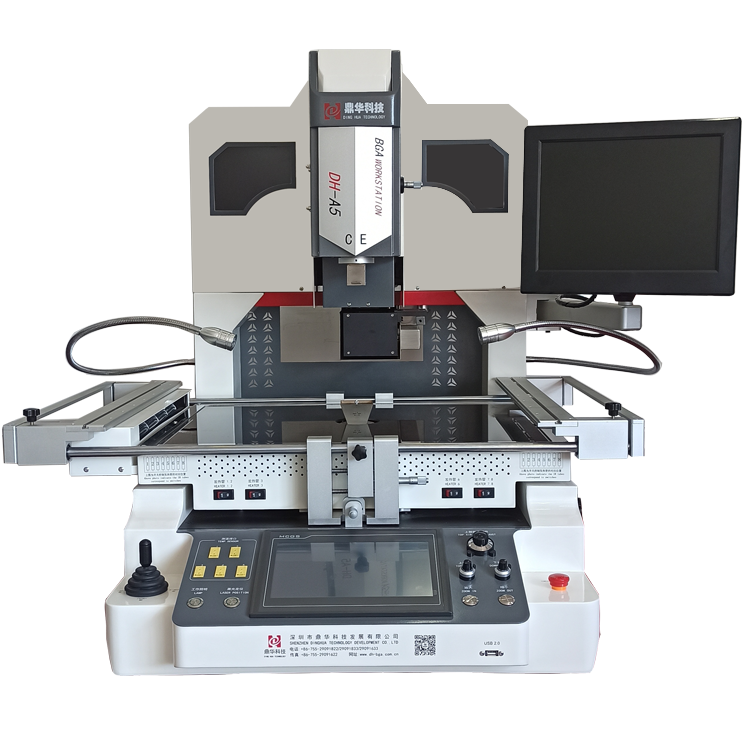
This 2026 guide covers everything you need to know about BGA rework stations, from core definitions to selection, operation, and maintenance. We draw on 15 years of hands-on experience manufacturing and testing BGA rework equipment, plus data from leading electronics industry associations to deliver unbiased, actionable advice. You’ll find step-by-step guides, comparison data, and answers to common questions to help you choose or use your BGA rework station correctly.
Complete Guide to Nondestructive Testing Equipment for Electronics Quality Control 2026
This comprehensive 2026 guide covers core knowledge of Nondestructive Testing Equipment, from basic definitions to practical selection and application tips, with a focus on the electronics manufacturing industry. We share hands-on testing insights, comparison data, and expert recommendations from our 15+ years of NDT manufacturing experience to help you find the right solution.
2026 Complete Guide to BGA Rework Station: Types, Uses & Buying Tips
This 2026 expert guide covers every critical aspect of BGA rework stations, from basic definitions and core components to step-by-step processes, model comparisons, and buying guidance. We draw on 12 years of hands-on testing and manufacturing experience from www.xraybgamachine.com, align with global IPC and RoHS standards, and answer common questions professionals have when purchasing a new station. This guide helps you make an informed buying decision for any facility size.


Contact Us
> Tel: +8615768114827 /+86-755-29091822
> Fax: +86-0755-29091622
> Email: John@dh-kc.com
> Address: 4th Floor, Building 6B, Shengzuozhi Technology Park, Xinqiao(518125),Bao'an,Shenzhen, Guangdong, China.

Copyright © 2024 Shenzhen Dinghua Innovation Technology Co., Ltd. All Rights Reserved.