Professional Equipment Manufacturer


 Esperanto
 Shqiptare
 Euskara
 Zulu
Zulu
 Latinus
 Cymraeg
 தமிழ்
தமிழ்
 Slovak
 Slovak
 Afrikaans


Best Practices for Operating Your BGA Soldering Station: A Comprehensive Guide
2025-01-02
Best Practices for Operating Your BGA Soldering Station: A Comprehensive Guide
Table of Contents
- 1. Introduction to BGA Soldering Stations
- 2. Understanding BGA Technology
- 3. Importance of Proper Setup and Environment
- 4. Key Techniques for High-Quality BGA Soldering
- 5. Common Mistakes to Avoid During BGA Soldering
- 6. Maintaining Your BGA Soldering Station
- 7. Troubleshooting Common Issues
- 8. Frequently Asked Questions
- 9. Conclusion
1. Introduction to BGA Soldering Stations
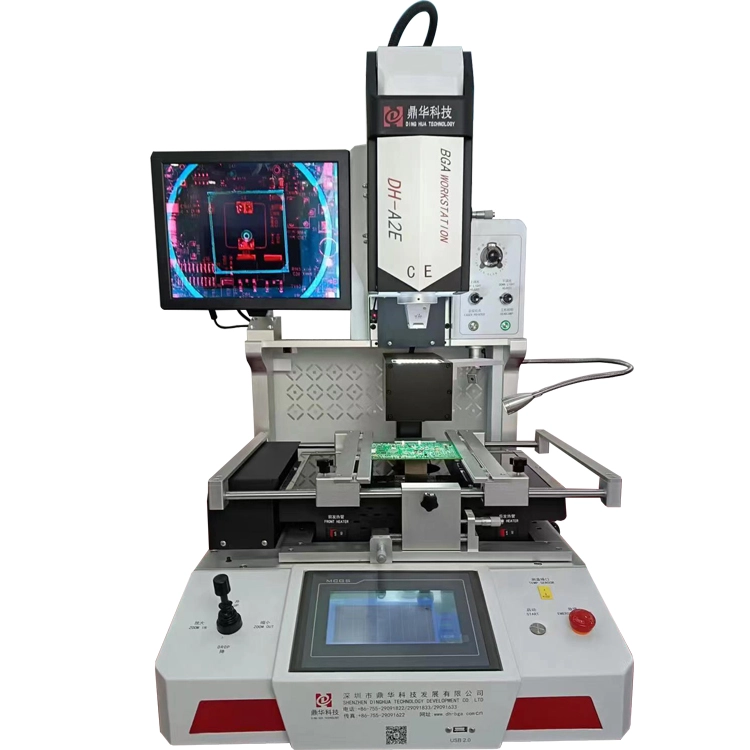
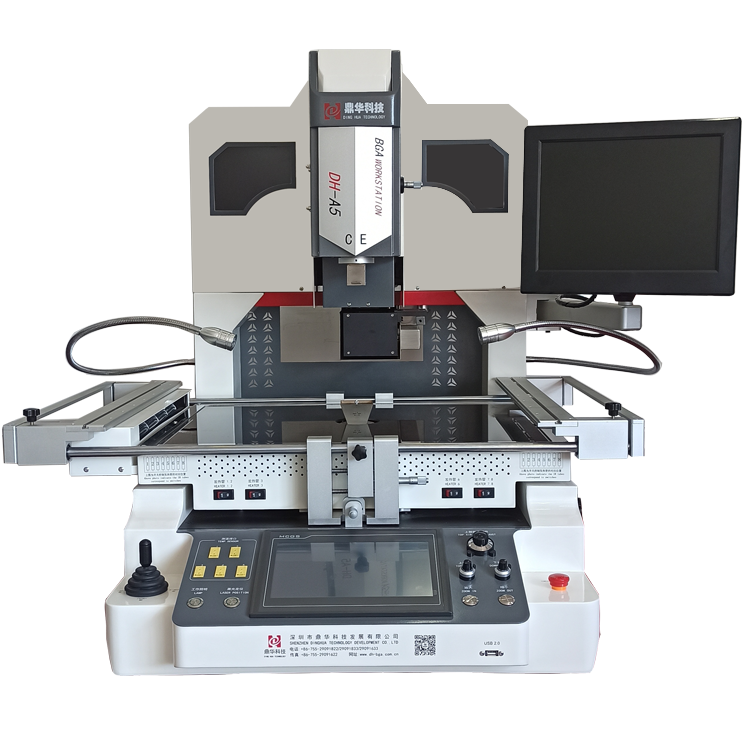
BGA (Ball Grid Array) soldering stations are essential tools in modern electronics assembly. They are specifically designed to solder components with a grid of solder balls, allowing for a compact and reliable connection. Operating a BGA soldering station effectively requires an understanding of both the technology and best practices to ensure optimal results. This guide aims to provide detailed insights into maximizing the performance of your BGA soldering station.
2. Understanding BGA Technology
BGA technology has revolutionized electronics manufacturing by offering a space-saving solution for component placement. Unlike traditional leaded components, BGAs feature an array of solder balls on their underside, which makes them ideal for high-density applications. Understanding how BGAs work, including their thermal and mechanical properties, is crucial for successful soldering.
2.1 The Structure of BGA Components
BGAs consist of a base substrate, solder balls, and the component itself. The solder balls are arranged in a grid pattern, connecting the component to the printed circuit board (PCB) when melted. Proper alignment and heat management during soldering are critical for ensuring reliable connections.
2.2 Advantages of BGA Technology
Some key advantages of BGA technology include:
- **Increased density**: BGAs allow for more components to be packed into smaller areas.
- **Improved performance**: The solder ball connections provide better electrical performance and lower resistance.
- **Enhanced reliability**: With fewer connections exposed to potential damage, BGAs are generally more robust.
3. Importance of Proper Setup and Environment
Setting up your BGA soldering station properly is vital for achieving consistent and high-quality results. This involves not only the physical arrangement of the station but also the surrounding environment.
3.1 Choosing the Right Location
Select a well-ventilated, clean workspace that is free from dust and contaminants. The ideal temperature range for BGA soldering is between 20°C and 25°C. Avoid locations near air conditioning vents or heating sources that can cause temperature fluctuations.
3.2 Equipment and Tools
Ensure that your BGA soldering station is equipped with the necessary tools, including:
- **Hot air rework station**: For precise heating of the BGA component.
- **Solder paste applicator**: For applying solder paste evenly onto the PCB.
- **Tweezers**: To handle small components with care.
- **Soldering iron**: For touch-up work on solder joints.
4. Key Techniques for High-Quality BGA Soldering
Mastering the following techniques will significantly enhance your BGA soldering skills.
4.1 Proper Solder Paste Application
Applying the right amount of solder paste is critical for ensuring good connections. Use a stencil to apply solder paste evenly to the PCB pads where the BGA will be placed. Avoid over-application, as excess solder can create bridge connections between pads.
4.2 Accurate Component Placement
Align the BGA component carefully with the solder pads before reflowing. Use a microscope or magnifying glass to ensure that the alignment is perfect, as even a slight misalignment can lead to soldering defects.
4.3 Controlled Heating Techniques
Utilize a hot air rework station or an infrared reflow oven to apply controlled heat to the BGA component. Monitor the temperature closely to avoid overheating, which can damage the component or the PCB.
4.3.1 Temperature Profiles
Create a temperature profile for the soldering process. A typical BGA reflow profile includes:
1. **Preheat stage**: Gradually raise the temperature to prepare the solder paste.
2. **Soaking stage**: Maintain a stable temperature for a brief period to activate the flux in the solder paste.
3. **Reflow stage**: Reach the melting point of the solder (approximately 217°C for lead-free solder).
4. **Cooling stage**: Gradually reduce the temperature to solidify the solder joints.
5. Common Mistakes to Avoid During BGA Soldering
Avoiding common pitfalls can save time and resources in your BGA soldering projects.
5.1 Inadequate Preheating
Failing to preheat the PCB can lead to thermal shock, causing damage to both the PCB and the BGA component. Always ensure that the PCB reaches the appropriate preheat temperature before proceeding with soldering.
5.2 Poor Quality Solder Paste
Using low-quality solder paste can result in poor solder joints and increased defects. Invest in high-quality solder paste from reputable suppliers.
5.3 Ignoring Reflow Profiles
Not following temperature profiles can lead to incomplete soldering or component damage. Always adhere to the recommended profiles for the specific solder paste and components being used.
6. Maintaining Your BGA Soldering Station
Regular maintenance ensures your BGA soldering station remains in optimal working condition.
6.1 Cleaning the Nozzle
Clean the nozzle of your hot air rework station frequently to prevent blockages and ensure even airflow. A clean nozzle contributes to consistent heating and better soldering results.
6.2 Inspecting Components and Tools
Regularly inspect your tools and components for signs of wear or damage. Replace any worn or damaged items immediately to maintain quality standards.
6.3 Software Updates
For digitally-controlled soldering stations, ensure that the software is up to date. This helps maintain accuracy and reliability in your soldering processes.
7. Troubleshooting Common Issues
Even experienced operators encounter issues from time to time. Here are some common BGA soldering problems and their solutions.
7.1 Insufficient Wetting
If solder does not adequately wet the pads, it may be due to insufficient heat or poor quality solder paste. Ensure that the solder paste is fresh and that the temperature profile is appropriate.
7.2 Solder Bridges
Solder bridges occur when excess solder creates unintended connections between pads. To prevent this, apply the correct amount of solder paste and carefully control the heating process.
7.3 Tombstoning
Tombstoning happens when one side of a component lifts off the PCB during soldering. This issue can be avoided by ensuring even heating and using the correct thermal profile.
8. Frequently Asked Questions
8.1 What is the ideal temperature for BGA soldering?
The ideal temperature for BGA soldering typically ranges from 200°C to 250°C, depending on the type of solder used.
8.2 How can I improve my BGA soldering skills?
Practice regularly, use high-quality materials, and study effective techniques and temperature profiles.
8.3 What can cause soldering defects?
Common causes of soldering defects include improper temperature settings, poor solder paste quality, and inadequate preheating.
8.4 How often should I maintain my soldering station?
Regular maintenance should be performed after every significant project, and thorough inspections should be done every month.
8.5 Is it necessary to use a microscope for BGA soldering?
While not strictly necessary, a microscope can enhance precision when aligning and inspecting BGA components.
9. Conclusion
Operating a BGA soldering station effectively requires a combination of knowledge, skill, and attention to detail. By understanding BGA technology, implementing best practices, and avoiding common pitfalls, you can ensure high-quality soldering results. Regular maintenance and troubleshooting will further enhance your capabilities, allowing you to tackle complex electronic assembly projects with confidence. Embrace these best practices, and you'll be well on your way to becoming an expert in BGA soldering.
Keywords:

Related News
DH Xray PCB Inspection Machine: High Precision Defect Detection for 2026 Electronics Manufacturing
This complete guide covers core features, benefits, use cases, and performance comparisons of DH Xray PCB inspection machines, based on 2026 hands-on testing data from real electronics manufacturing lines. We share practical insights to help you decide if this solution fits your quality control needs, and answer the most common questions users ask.
DH Xray PCB Inspection Machine: High Precision Non-Destructive Testing 2026
This comprehensive guide explains everything you need to know about DH Xray pcb inspection machine, including core functions, key benefits, performance comparison with traditional inspection methods, common application scenarios, and answers to frequently asked questions. We share real testing experience and 2026 industry data to help you make an informed purchasing decision for your PCB production line.
DH Xray pcb inspection machine: High Precision NDT for 2026 Electronics Quality Control
This complete guide breaks down everything you need to know about the DH Xray pcb inspection machine from Dinghua Technology, a leading global supplier of BGA rework stations and X-ray inspection equipment. We cover core capabilities, real-world performance data, common use cases, and answer top industry questions based on 2026 testing and client results.

Industrial X-Ray Machine: 2026 Complete Guide for NDT Inspection & Selection
This 2026 expert guide covers everything you need to know about Industrial X-Ray Machines, from core working principles and common industry applications to key selection criteria, maintenance best practices, and transparent 2026 pricing data. Drawing from over 15 years of hands-on manufacturing and testing experience at Dinghua Technology, we answer the most common questions and provide actionable insights to help you make a confident purchasing decision.


Contact Us
> Tel: +8615768114827 /+86-755-29091822
> Fax: +86-0755-29091622
> Email: John@dh-kc.com
> Address: 4th Floor, Building 6B, Shengzuozhi Technology Park, Xinqiao(518125),Bao'an,Shenzhen, Guangdong, China.

Copyright © 2024 Shenzhen Dinghua Innovation Technology Co., Ltd. All Rights Reserved.