Professional Equipment Manufacturer


 Esperanto
 Shqiptare
 Euskara
 Zulu
Zulu
 Latinus
 Cymraeg
 தமிழ்
தமிழ்
 Slovak
 Slovak
 Afrikaans


Maximize Efficiency: How an Automatic BGA Rework Station Revolutionizes Repairs
2025-05-07
Maximize Efficiency: How an Automatic BGA Rework Station Revolutionizes Repairs
In the ever-evolving world of industrial equipment repair, the demand for precision and efficiency is paramount. The Automatic BGA Rework Station has emerged as a game-changer in this field, enabling technicians to handle complex repairs with unprecedented ease. This article explores the various aspects of BGA rework stations and how they are revolutionizing the repair landscape.
Table of Contents
- Introduction to Automatic BGA Rework Stations
- What is a BGA Rework Station?
- Benefits of Automatic BGA Rework Stations
- Technological Advancements in BGA Rework Stations
- How to Choose the Right Automatic BGA Rework Station
- Best Practices for Using BGA Rework Stations
- Common Challenges in BGA Rework and Solutions
- The Future of BGA Rework Technology
- Conclusion
- FAQs
Introduction to Automatic BGA Rework Stations
In a landscape where technology is continually advancing, traditional repair methods often fall short of the demands for speed and precision. The introduction of the Automatic BGA Rework Station marks a significant shift in how technicians approach repairs, particularly for Ball Grid Array (BGA) components, which are vital in modern electronics. This article aims to provide an in-depth look at how these stations operate and why they are essential for any repair facility focused on maximizing efficiency.
What is a BGA Rework Station?
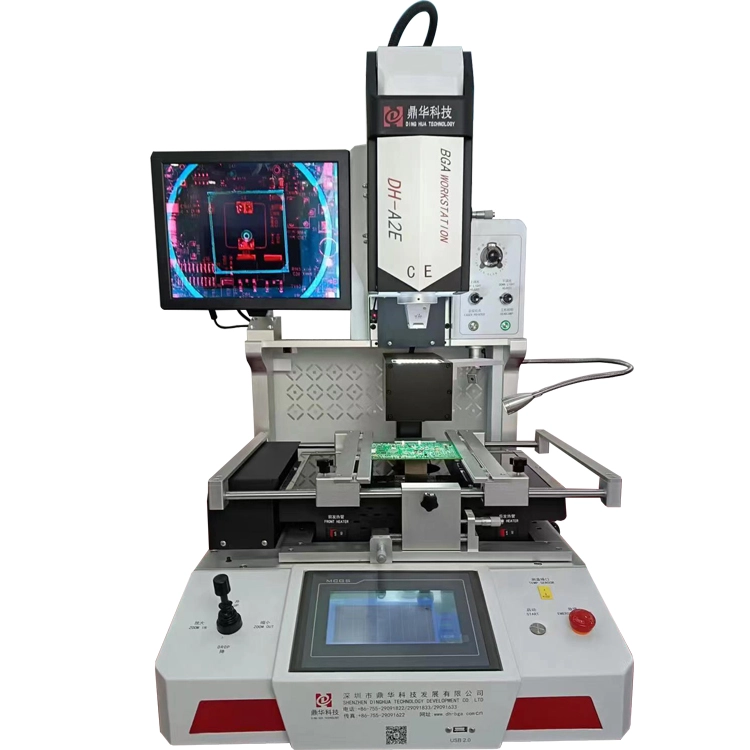
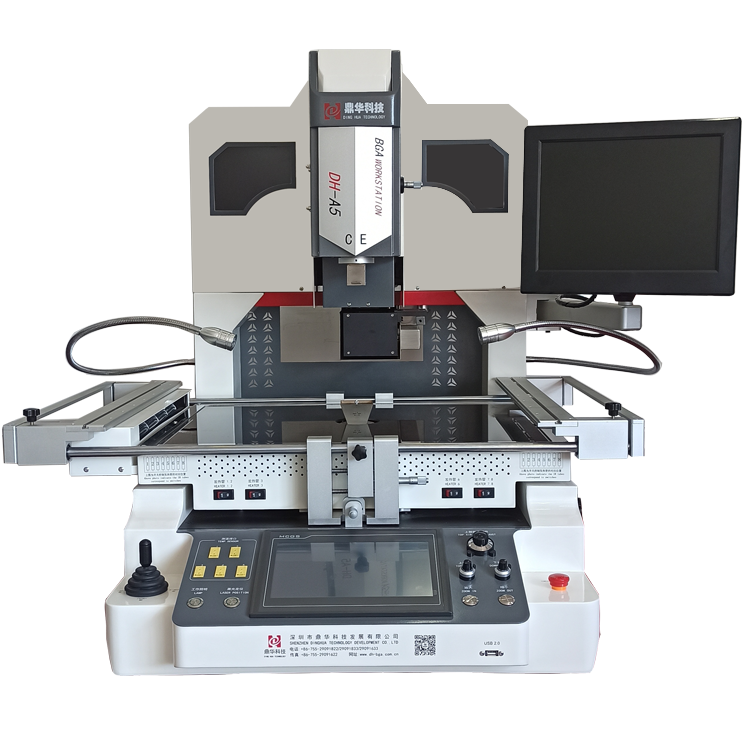
A BGA Rework Station is a specialized tool designed to facilitate the repair and replacement of BGA components on printed circuit boards (PCBs). It typically consists of a preheating platform, a reflow oven, and a vacuum pickup system, enabling technicians to remove defective BGA chips and replace them with new ones. The automation aspect of these stations significantly minimizes human error, ensuring higher precision in the rework process.
Key Components of a BGA Rework Station
The primary components of an Automatic BGA Rework Station include:
- Preheating Zone: Ensures that the PCB is heated evenly before the reflow process, preventing thermal shock.
- Reflow Oven: Uses infrared or hot air technology to melt solder, allowing for the effective removal and installation of BGA components.
- Vacuum Pickup Tool: Safely and precisely handles BGAs, minimizing the risk of damage during the rework process.
- Control Panel: Allows technicians to set temperature profiles, timing, and other parameters for optimal rework results.
Benefits of Automatic BGA Rework Stations
The integration of Automatic BGA Rework Stations into repair workflows offers multiple benefits that can significantly enhance productivity and outcomes.
1. Increased Precision
Manual rework processes are prone to human error, leading to misalignment or insufficient soldering. Automatic BGA Rework Stations employ advanced technology to ensure optimal alignment and solder joint integrity, reducing the likelihood of defects.
2. Enhanced Speed
Time is of the essence in the repair industry. Automatic stations streamline the rework process, allowing technicians to perform repairs more quickly without sacrificing quality. This means shorter turnaround times for clients and increased throughput for repair facilities.
3. Consistent Quality Control
With automated processes, each rework follows a consistent methodology, ensuring that the quality of repairs meets industry standards. This consistency is crucial in maintaining a solid reputation and customer trust.
4. Cost Efficiency
While the initial investment in an Automatic BGA Rework Station can be significant, the long-term savings in labor costs and reduced error rates typically yield a favorable return on investment. Additionally, better repair quality extends the life of components, translating to cost savings for clients.
5. User-Friendly Interface
Most modern BGA rework stations come equipped with user-friendly interfaces that allow technicians to easily program rework profiles, monitor processes, and adjust settings with minimal training, leading to a faster learning curve for new staff.
Technological Advancements in BGA Rework Stations
Technological innovations have continuously improved the efficiency and functionality of BGA Rework Stations. Some notable advancements include:
1. Infrared Heating Technology
This technology offers precise temperature control and uniform heating across the PCB, significantly reducing the risk of thermal damage to surrounding components during rework.
2. Enhanced Vision Systems
Advanced vision systems can assist in alignment and positioning of BGA components, providing real-time feedback and enhancing the accuracy of the placement process.
3. Software Integration
Many modern setups incorporate software that can track repair history and performance metrics, allowing for data-driven decision-making and continuous improvement in operational practices.
4. Modular Designs
Newer systems often feature modular designs that enable easy upgrades or the addition of new functionalities, ensuring that repair facilities can evolve alongside technological advancements.
How to Choose the Right Automatic BGA Rework Station
Selecting the right BGA rework station is critical for achieving the desired efficiency and quality in repairs. Here are some factors to consider:
1. Assess Your Repair Needs
Consider the volume and types of repairs you handle. A high-volume facility may require a more advanced system with faster processing capabilities, while a smaller shop may benefit from a more cost-effective model.
2. Evaluate Features
Look for features such as programmable profiles, advanced heating methods, and user-friendly interfaces. The right features will enhance usability and efficiency.
3. Research Manufacturers
Choose manufacturers with a solid reputation in the industry, as this often correlates with quality and reliability. Reading reviews and case studies can be beneficial.
4. Consider Training and Support
Evaluate the training and customer support offered by the manufacturer. Proper training enhances the effective use of the equipment, which is crucial for maintaining quality standards.
Best Practices for Using BGA Rework Stations
To maximize the efficiency of your Automatic BGA Rework Station, adhering to best practices is essential:
1. Regular Maintenance
Frequent maintenance ensures that the station operates at peak efficiency. Regularly check and calibrate components to prevent malfunction and ensure consistent quality.
2. Proper Training
Invest in ongoing training for your technicians to keep them updated on best practices and new technologies, which can further improve repair accuracy and speed.
3. Document Processes
Maintain thorough documentation of repair procedures, profiles, and outcomes. This information can be invaluable for troubleshooting and optimizing future repairs.
4. Use Quality Components
Always use high-quality replacement components. The longevity and performance of repaired equipment often rely on the quality of the parts used.
Common Challenges in BGA Rework and Solutions
While Automatic BGA Rework Stations offer numerous advantages, challenges may still arise:
1. Thermal Damage
To mitigate the risk of thermal damage to surrounding components, ensure that the preheating stage is adequate and that the temperature profiles are correctly set.
2. Misalignment
Utilizing advanced vision systems can help prevent alignment issues during the rework process, ensuring accurate placement of BGA components.
3. Solderability Issues
Surface preparation is crucial. Ensure that solder pads on the PCB are clean and appropriately prepared before rework to avoid solderability problems.
The Future of BGA Rework Technology
The landscape of BGA rework technology continues to evolve, with innovations aimed at enhancing efficiency, accuracy, and sustainability. Emerging trends include:
1. Automation and AI Integration
As automation becomes more prevalent, future BGA rework stations may integrate artificial intelligence to optimize processes further, predict maintenance needs, and improve overall performance.
2. Eco-Friendly Technologies
With a growing emphasis on sustainability, the future may see the development of environmentally friendly solder materials and processes, reducing the environmental impact of electronic waste.
3. Enhanced Data Analytics
Advanced data analytics tools could provide deeper insights into repair performance, helping facilities optimize their processes and improve quality control continuously.
Conclusion
The Automatic BGA Rework Station is revolutionizing the landscape of industrial equipment repair. By maximizing efficiency, enhancing precision, and reducing turnaround times, these stations are essential tools for modern repair operations. As technology continues to evolve, staying ahead of these advancements will be crucial for repair facilities aiming to provide top-tier services. Investing in an Automatic BGA Rework Station is not just an operational change; it is a strategic move towards a more efficient and sustainable future in electronic repairs.
FAQs
1. What is the primary purpose of a BGA rework station?
The primary purpose of a BGA rework station is to facilitate the removal and replacement of BGA components on printed circuit boards with precision and efficiency.
2. How does an Automatic BGA Rework Station improve repair quality?
It improves repair quality by utilizing advanced technology to ensure accurate alignment, optimal heating, and consistent solder joint integrity, minimizing the risk of defects.
3. Can I use a BGA rework station for other types of components?
While BGA rework stations are primarily designed for BGA components, many can also accommodate other surface-mounted devices with appropriate modifications or attachments.
4. What maintenance is required for a BGA rework station?
Regular maintenance includes calibrating temperature settings, cleaning components, and inspecting for wear and tear to ensure optimal performance.
5. How can I train my staff to use an Automatic BGA Rework Station effectively?
Providing comprehensive training sessions, utilizing manufacturer resources, and encouraging hands-on experience with the equipment will help your staff become proficient in using the station effectively.
Keywords:

Related News

High-Speed X-ray Component Counter Machine for SMT Inventory
In high-mix, low-volume SMT manufacturing, manual component counting is a major bottleneck that drains labor hours and introduces costly inventory discrepancies. The Dinghua X-ray Counter Machine completely revolutionizes your warehouse management. By utilizing advanced industrial X-ray imaging combined with AI deep-learning algorithms, this system allows operators to calculate the exact component count of full SMD reels, tubes, or trays in seconds—without ever breaking the factory moisture-barrier seal.

Complete Guide to BGA Rework Station 2026: Tips for PCB Repair & Manufacturing
This 2026 guide covers everything you need to know about BGA rework stations, from core definitions to selection, operation, and maintenance. We draw on 15 years of hands-on experience manufacturing and testing BGA rework equipment, plus data from leading electronics industry associations to deliver unbiased, actionable advice. You’ll find step-by-step guides, comparison data, and answers to common questions to help you choose or use your BGA rework station correctly.

Complete Guide to Nondestructive Testing Equipment for Electronics Quality Control 2026
This comprehensive 2026 guide covers core knowledge of Nondestructive Testing Equipment, from basic definitions to practical selection and application tips, with a focus on the electronics manufacturing industry. We share hands-on testing insights, comparison data, and expert recommendations from our 15+ years of NDT manufacturing experience to help you find the right solution.
2026 Complete Guide to BGA Rework Station: Types, Uses & Buying Tips
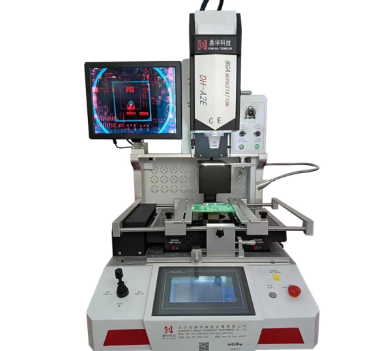
This 2026 expert guide covers every critical aspect of BGA rework stations, from basic definitions and core components to step-by-step processes, model comparisons, and buying guidance. We draw on 12 years of hands-on testing and manufacturing experience from www.xraybgamachine.com, align with global IPC and RoHS standards, and answer common questions professionals have when purchasing a new station. This guide helps you make an informed buying decision for any facility size.


Contact Us
> Tel: +8615768114827 /+86-755-29091822
> Fax: +86-0755-29091622
> Email: John@dh-kc.com
> Address: 4th Floor, Building 6B, Shengzuozhi Technology Park, Xinqiao(518125),Bao'an,Shenzhen, Guangdong, China.

Copyright © 2024 Shenzhen Dinghua Innovation Technology Co., Ltd. All Rights Reserved.