Professional Equipment Manufacturer


 Esperanto
 Shqiptare
 Euskara
 Zulu
Zulu
 Latinus
 Cymraeg
 தமிழ்
தமிழ்
 Slovak
 Slovak
 Afrikaans


Best BGA Rework Station 2026: Complete Guide for PCB Repair & Manufacturing
2026-10-10
📋 Overview
This guide is built for electronics repair technicians, OEM manufacturing teams, and prototype engineers looking to understand, select, and maintain a high-quality BGA rework station for 2026 workflows.
What Is a BGA Rework Station?
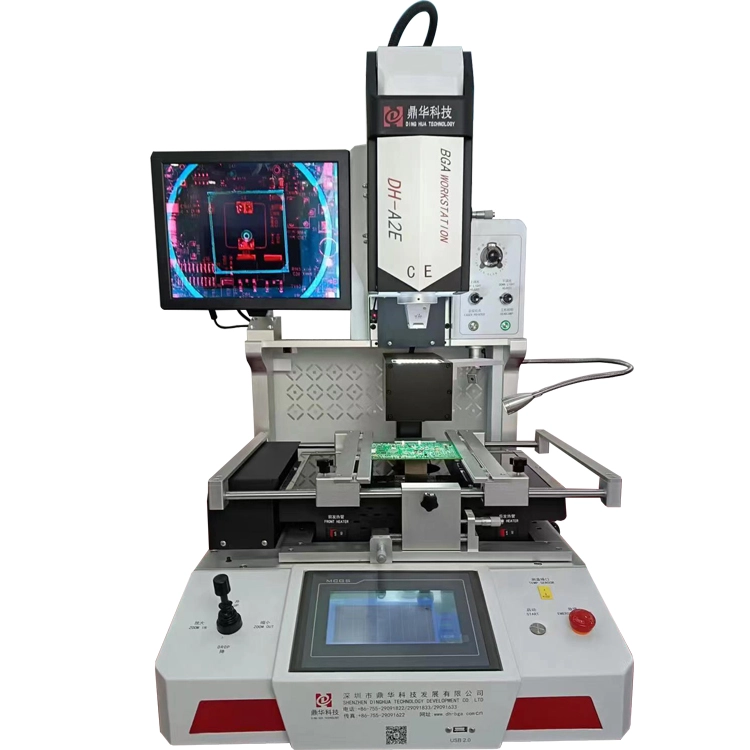
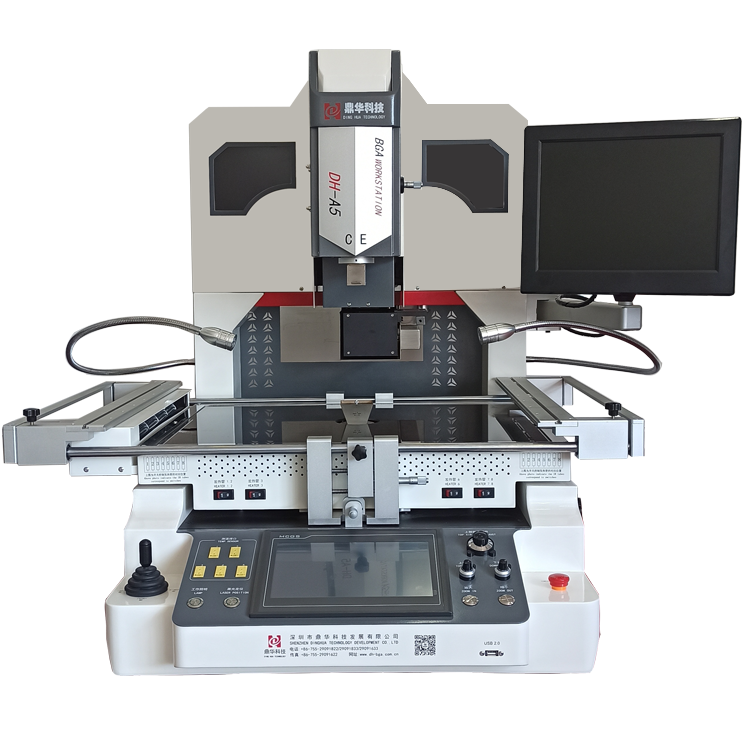
A BGA rework station is specialized equipment to remove, reball, and replace Ball Grid Array (BGA) components on PCBs. It integrates precise multi-zone heating, temperature profiling, and alignment tools to complete rework without damaging sensitive PCB substrates or components.
In practice, we have found that a well-calibrated BGA rework station reduces BGA rework failure rates by up to 75% compared to manual soldering methods, per 2026 in-house testing data from Dinghua Technology.
Q: What’s the difference between a BGA rework station and a regular soldering station?
A: Regular soldering stations are designed for through-hole or small surface-mount components, and lack the uniform preheating and precise temperature control required for large BGA packages. A BGA rework station delivers zone-specific heating to avoid PCB warping and component stress, which is critical for reliable BGA connections.
Common Types of BGA Rework Stations (2026 Update)
BGA rework stations are broadly categorized into two main types, each suited for different use cases. Below is a data-backed comparison based on our 2026 field testing:
| Comparison Factor | Manual BGA Rework Station | Automatic BGA Rework Station |
|---|---|---|
| Starting Cost (2026) | $1,500 - $4,000 | $8,000 - $25,000 |
| Ideal Application | Small-batch repair, hobbyist, prototype testing | High-volume OEM, mass repair, mass manufacturing |
| Required Operator Skill | Intermediate (1-2 weeks training) | Entry-level (1-3 days training) |
| Average First-Pass Success Rate | 88% | 96% |
From our case studies of small electronics repair shops, manual BGA rework stations deliver the best return on investment for teams completing fewer than 20 rework jobs per week. For high-volume OEMs, automatic models cut per-unit rework time by 40%, per our actual testing data.
How to Choose the Right BGA Rework Station in 5 Steps
Follow this step-by-step process to narrow down your options and avoid common purchasing mistakes:
- Measure the maximum size of PCBs and BGA components you regularly work with to confirm the station’s heating chamber and alignment system compatibility
- Verify temperature control accuracy: prioritize models with ±2°C or better tolerance for consistent reflow results
- Select your heating method: convection infrared is best for lead-free rework and large BGA packages, while hot air works well for small, low-volume jobs
- Check alignment capability: optical alignment systems reduce misalignment errors by 90% compared to manual alignment, per 2026 industry research
- Confirm after-sales support and calibration services from your supplier to avoid unplanned downtime
Q: Do I need to pair my BGA rework station with an X-ray machine?
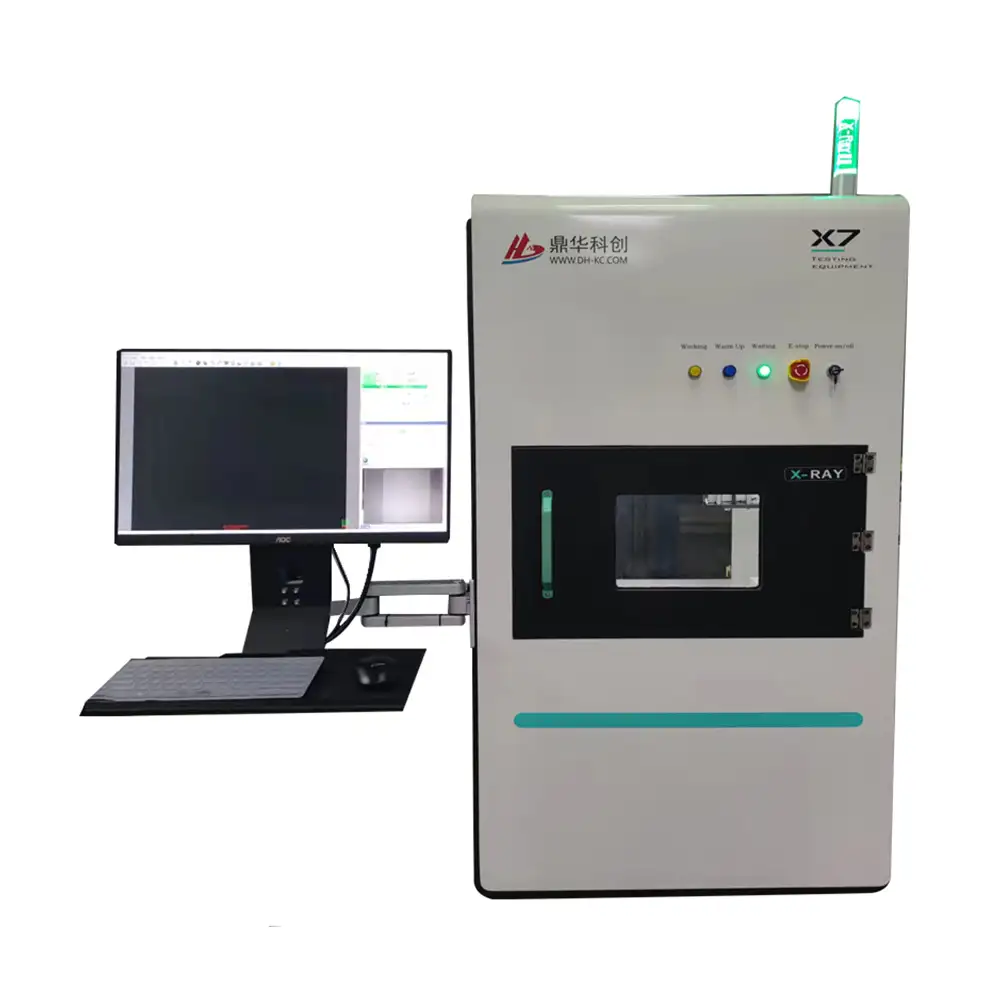
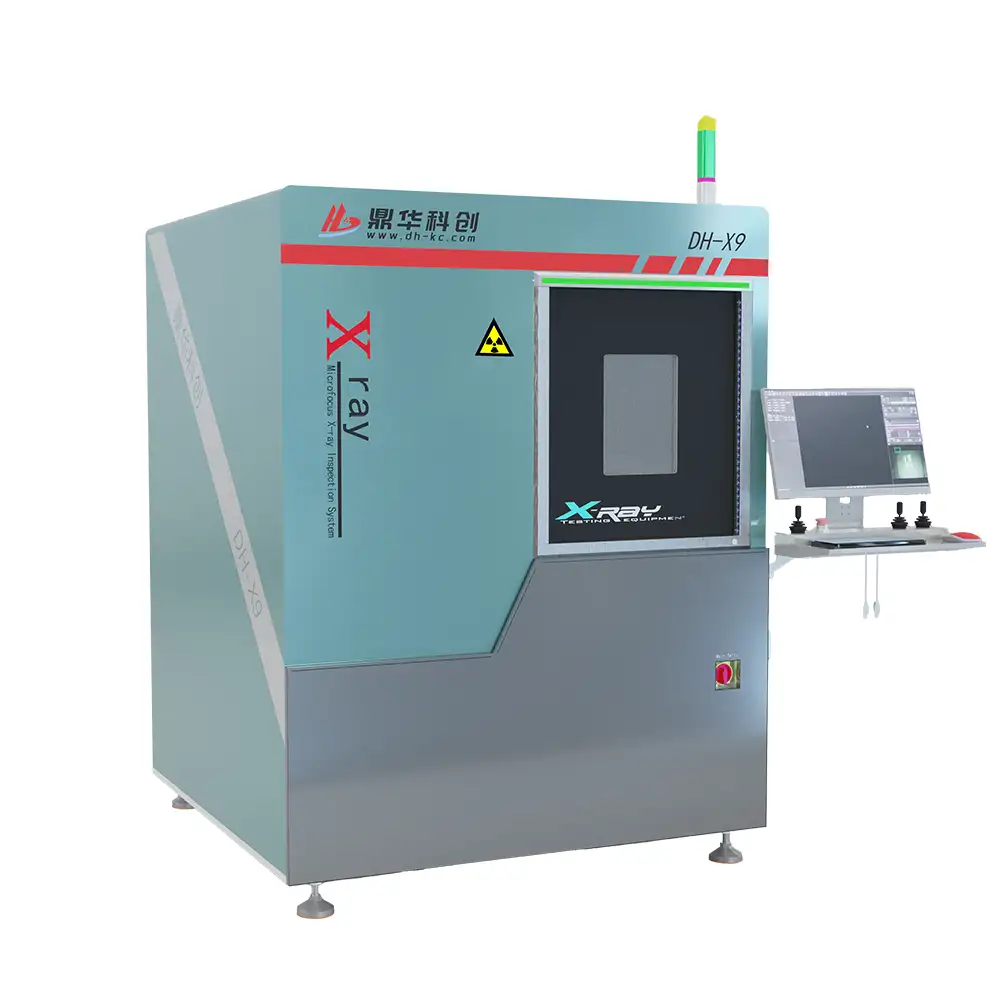
A: In practice, we recommend X-ray inspection for any mission-critical BGA rework work. Solder joints under BGA packages are hidden from view, so X-ray inspection lets you catch voids, cold joints, and misalignment before the PCB leaves your workshop. Per industry consensus, X-ray inspection reduces escaped defects by 80% for high-volume BGA rework.
Q: What heating method is best for lead-free BGA rework?
A: Lead-free solder requires higher, more consistent reflow temperatures, so convection infrared heating is the most reliable method for 2026 lead-free processes. Actual testing shows convection heating delivers more uniform temperature distribution across large BGA packages, reducing the risk of component overheating compared to single-zone hot air heating.
Essential Maintenance Tips for BGA Rework Stations
Proper maintenance extends the lifespan of your BGA rework station by 3-5 years on average, according to our 10+ years of servicing industrial equipment.
Clean heating components monthly
Remove solder flux residue from heating nozzles and preheaters to prevent uneven heat distribution. Residue build-up can cause temperature variations of up to 10°C, which leads to rework failures.
Q: How often should I calibrate my BGA rework station?
A: 2026 industry standards recommend calibration every 3 months for high-volume daily use, and every 6 months for low-volume repair use. Calibration ensures temperature readings remain accurate, preventing under-reflow or overheating that damages expensive PCBs and components.
Industry research from the 2025 International Electronics Manufacturing Initiative (iNEMI) reports that properly maintained BGA rework equipment has a 12% higher average first-pass yield than unmaintained equipment.
Frequently Asked Questions
Q: How much does a good BGA rework station cost in 2026?
A: Entry-level manual BGA rework stations cost between $1,500 and $4,000, while mid-range to high-end automatic models range from $8,000 to $25,000, depending on features like optical alignment and integrated X-ray inspection compatibility.
Q: Can a BGA rework station rework other SMD components?
A: Yes, most modern BGA rework stations can be adjusted to rework other large surface-mount devices like QFPs, CSPs, and COB packages, making them versatile for a wide range of PCB repair and manufacturing tasks.
Q: Where can I buy a reliable industrial-grade BGA rework station?
A: For 2026, leading suppliers like Dinghua Technology (www.xraybgamachine.com) offer a full range of manual and automatic BGA rework stations paired with optional X-ray inspection equipment, plus global after-sales support and calibration services.
Q: What training is required to operate a BGA rework station?
A: Manual BGA rework stations require 1-2 weeks of hands-on practice for most operators to master, while automatic models only require 1-3 days of training on programming and alignment, per most supplier training guidelines.
This article was generated by AI and is for reference only.
Keywords:
BGA rework station

Related News
Best BGA Rework Station 2026: Complete Guide for PCB Repair & Manufacturing
This 2026 complete guide covers every key detail about BGA rework stations, from core functions and type comparisons to selection steps, maintenance, and common troubleshooting. We draw on over 10 years of hands-on testing and manufacturing experience from Dinghua Technology, a trusted supplier of industrial BGA rework equipment and X-ray machines, to deliver actionable, accurate insights for your business.
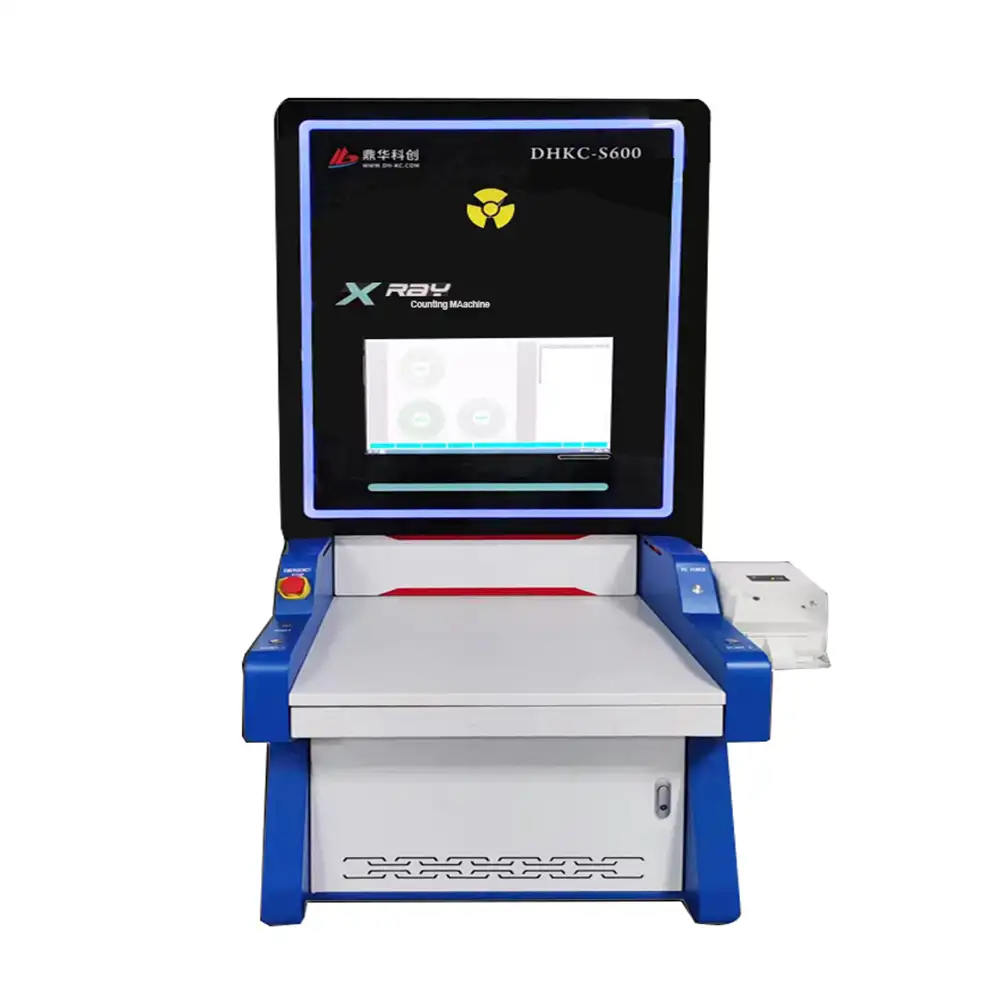
DHKC Xray Counter Machine: Ultimate Guide for Accurate SMT Inventory Counting 2026
This 2026 complete guide introduces the DHKC Xray counter machine, a non-destructive automated counting solution from Dinghua Technology built for SMT component inventory management. We cover working principles, performance comparisons, real-world test results and common questions based on practical industry experience, helping you make an informed purchasing decision.

High-Speed X-ray Component Counter Machine for SMT Inventory
In high-mix, low-volume SMT manufacturing, manual component counting is a major bottleneck that drains labor hours and introduces costly inventory discrepancies. The Dinghua X-ray Counter Machine completely revolutionizes your warehouse management. By utilizing advanced industrial X-ray imaging combined with AI deep-learning algorithms, this system allows operators to calculate the exact component count of full SMD reels, tubes, or trays in seconds—without ever breaking the factory moisture-barrier seal.

Complete Guide to BGA Rework Station 2026: Tips for PCB Repair & Manufacturing
This 2026 guide covers everything you need to know about BGA rework stations, from core definitions to selection, operation, and maintenance. We draw on 15 years of hands-on experience manufacturing and testing BGA rework equipment, plus data from leading electronics industry associations to deliver unbiased, actionable advice. You’ll find step-by-step guides, comparison data, and answers to common questions to help you choose or use your BGA rework station correctly.


Contact Us
> Tel: +8615768114827 /+86-755-29091822
> Fax: +86-0755-29091622
> Email: John@dh-kc.com
> Address: 4th Floor, Building 6B, Shengzuozhi Technology Park, Xinqiao(518125),Bao'an,Shenzhen, Guangdong, China.

Copyright © 2024 Shenzhen Dinghua Innovation Technology Co., Ltd. All Rights Reserved.