Professional Equipment Manufacturer


 Esperanto
 Shqiptare
 Euskara
 Zulu
Zulu
 Latinus
 Cymraeg
 தமிழ்
தமிழ்
 Slovak
 Slovak
 Afrikaans


Common Issues Solved by Using an Automatic BGA Rework Station
2025-12-17
Common Issues Solved by Using an Automatic BGA Rework Station
Table of Contents
- 1. Introduction to BGA Rework Stations
- 2. What is a BGA and Why it Matters?
- 3. Common Issues Addressed by Automatic BGA Rework Stations
- 3.1 Misalignment of BGA Components
- 3.2 Soldering Problems and Defects
- 3.3 Thermal Management Issues
- 3.4 Component Repair and Replacement
- 3.5 Adhesion Failures
- 4. Benefits of Using Automatic BGA Rework Stations
- 5. How to Choose the Right Automatic BGA Rework Station
- 6. Maintenance Tips for BGA Rework Stations
- 7. Frequently Asked Questions
- 8. Conclusion
1. Introduction to BGA Rework Stations
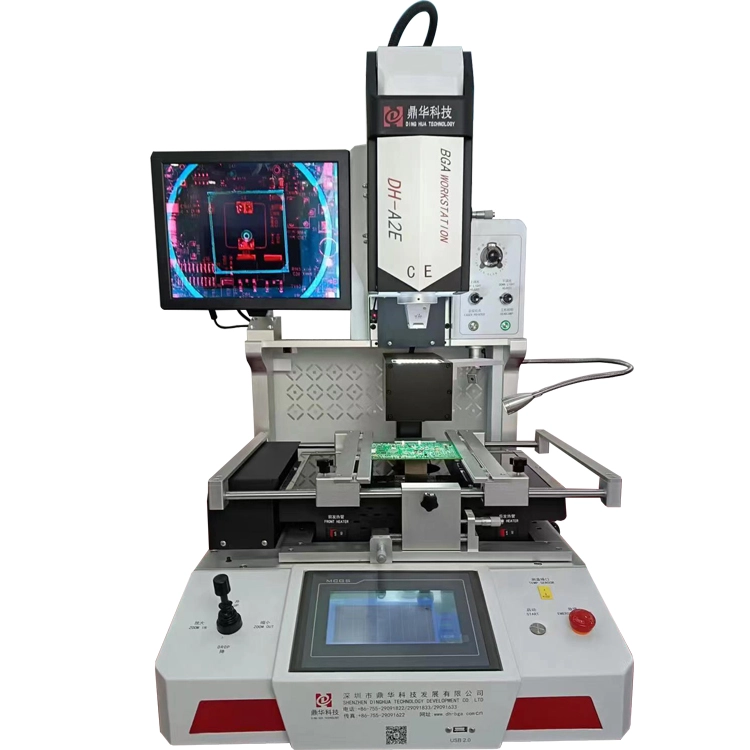
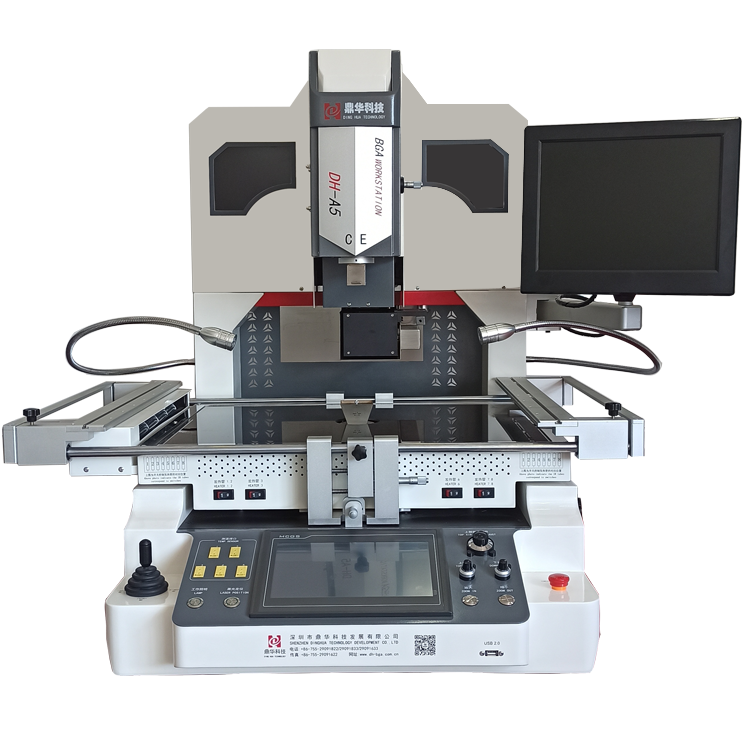
In today’s rapidly advancing technology landscape, the efficiency and reliability of electronic devices are paramount. An automatic BGA (Ball Grid Array) rework station plays a critical role in the repair and maintenance of circuit boards. This sophisticated equipment is designed to handle the intricate task of replacing or repairing BGAs on printed circuit boards (PCBs). Understanding the common issues that can be resolved using this technology is essential for any technician or engineer involved in industrial equipment repair.
2. What is a BGA and Why it Matters?
A Ball Grid Array (BGA) is a type of surface-mount packaging used for integrated circuits. It features an array of solder balls on the bottom of the package, which provide electrical connections to the PCB. The advantages of BGA packages include improved performance, reduced size, and enhanced thermal conductivity. However, challenges arise during soldering, especially with the precision required for aligning these small components.
3. Common Issues Addressed by Automatic BGA Rework Stations
The automatic BGA rework station is engineered to mitigate various problems encountered in PCB assembly and repair. Let’s delve into some of these common issues:
3.1 Misalignment of BGA Components
Misalignment occurs when the BGA package is not perfectly positioned over the pads on the PCB. This can lead to poor electrical connections, increased resistance, and ultimately device failure. Automatic BGA rework stations use advanced vision systems to detect and correct misalignment before soldering, ensuring precision placement every time.
3.2 Soldering Problems and Defects
Soldering defects, such as cold solder joints, solder bridging, and insufficient solder, can severely affect the performance of a BGA. Automatic BGA rework stations are equipped with controlled heating elements that provide uniform heat distribution, minimizing the risk of defects. This results in stronger, more reliable solder joints.
3.3 Thermal Management Issues
Effective thermal management is crucial for the longevity of electronic components. BGA components are particularly sensitive to thermal stress. Automatic rework stations feature precise temperature control mechanisms, allowing technicians to apply the correct amount of heat without damaging the components or the PCB.
3.4 Component Repair and Replacement
In cases where BGA components are damaged or faulty, automatic rework stations facilitate the removal and replacement of these components without causing harm to surrounding parts. This repair process is vital for maintaining the overall functionality of the circuit board, making it a cost-effective solution for manufacturers and service providers.
3.5 Adhesion Failures
Adhesion failures can occur due to contaminants on the PCB or improper soldering techniques. These failures can lead to significant operational issues. By ensuring a clean work environment and employing advanced soldering techniques, automatic BGA rework stations help prevent adhesion problems, ensuring that components remain securely attached.
4. Benefits of Using Automatic BGA Rework Stations
The use of automatic BGA rework stations offers numerous advantages, enhancing the efficiency and effectiveness of PCB repairs:
- **Improved Precision**: Automated systems provide high precision in the placement and soldering of BGAs, reducing the likelihood of human error.
- **Increased Productivity**: Automatic stations operate faster than manual methods, allowing for quicker turnaround times and increased throughput.
- **Cost-Effective Repair Solutions**: By allowing for the repair rather than the replacement of BGA components, these stations significantly lower repair costs.
- **Enhanced Reliability**: High-quality soldering leads to more reliable electrical connections, which is critical for the functionality of electronic devices.
- **User-Friendly Operation**: Most automatic BGA rework stations come with intuitive interfaces, making them easier for operators to use and reducing training time.
5. How to Choose the Right Automatic BGA Rework Station
Selecting the right automatic BGA rework station is crucial for achieving optimal performance in PCB repairs. Here are some factors to consider:
- **Temperature Control**: Look for stations that offer precise temperature control to accommodate various solder types and components.
- **Size and Compatibility**: Ensure that the station can handle the sizes and types of BGAs you frequently work with.
- **Ease of Use**: Consider the user interface and whether it fits your team’s skill level.
- **Reliability and Brand Reputation**: Opt for well-reviewed brands known for quality and durability.
- **Cost vs. Features**: Balance your budget with the features you need for your operations.
6. Maintenance Tips for BGA Rework Stations
Proper maintenance of your automatic BGA rework station ensures long-term functionality and reliability. Follow these maintenance tips:
- **Regular Cleaning**: Keep the station clean to prevent contamination that could affect soldering quality.
- **Calibration Checks**: Regularly calibrate the temperature and alignment systems to ensure accurate performance.
- **Software Updates**: Keep the operating software up to date to benefit from enhancements and fixes provided by the manufacturer.
- **Inspect Components**: Routinely check the heating elements, nozzles, and other components for wear and tear.
7. Frequently Asked Questions
What is the average lifespan of an automatic BGA rework station?
The lifespan typically ranges from 5 to 10 years, depending on usage and maintenance.
Can I use a BGA rework station for other types of soldering?
Yes, many stations can accommodate various types of components beyond BGAs, including chip components.
How often should I perform maintenance on my BGA rework station?
Regular maintenance is recommended every few months, but it can vary based on usage intensity.
Are automatic BGA rework stations suitable for small-scale operations?
Yes, many models are designed for both industrial and small-scale use, making them versatile for various operations.
What should I do if my rework station is not heating properly?
First, check the power supply and settings. If the problem persists, consult the manufacturer’s troubleshooting guidelines or seek professional service.
8. Conclusion
In conclusion, an **automatic BGA rework station** is an invaluable tool for addressing common issues encountered in the repair and installation of industrial equipment. From solving misalignment problems to enhancing thermal management, these stations provide precise, reliable solutions that significantly improve the longevity and performance of electronic devices. By investing in quality BGA rework technology, organizations can enhance operational efficiency and reduce repair costs, ultimately leading to better device reliability and customer satisfaction.
Keywords:

Related News

High-Speed X-ray Component Counter Machine for SMT Inventory
In high-mix, low-volume SMT manufacturing, manual component counting is a major bottleneck that drains labor hours and introduces costly inventory discrepancies. The Dinghua X-ray Counter Machine completely revolutionizes your warehouse management. By utilizing advanced industrial X-ray imaging combined with AI deep-learning algorithms, this system allows operators to calculate the exact component count of full SMD reels, tubes, or trays in seconds—without ever breaking the factory moisture-barrier seal.

Complete Guide to BGA Rework Station 2026: Tips for PCB Repair & Manufacturing
This 2026 guide covers everything you need to know about BGA rework stations, from core definitions to selection, operation, and maintenance. We draw on 15 years of hands-on experience manufacturing and testing BGA rework equipment, plus data from leading electronics industry associations to deliver unbiased, actionable advice. You’ll find step-by-step guides, comparison data, and answers to common questions to help you choose or use your BGA rework station correctly.

Complete Guide to Nondestructive Testing Equipment for Electronics Quality Control 2026
This comprehensive 2026 guide covers core knowledge of Nondestructive Testing Equipment, from basic definitions to practical selection and application tips, with a focus on the electronics manufacturing industry. We share hands-on testing insights, comparison data, and expert recommendations from our 15+ years of NDT manufacturing experience to help you find the right solution.
2026 Complete Guide to BGA Rework Station: Types, Uses & Buying Tips
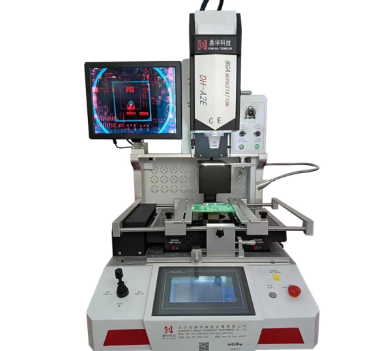
This 2026 expert guide covers every critical aspect of BGA rework stations, from basic definitions and core components to step-by-step processes, model comparisons, and buying guidance. We draw on 12 years of hands-on testing and manufacturing experience from www.xraybgamachine.com, align with global IPC and RoHS standards, and answer common questions professionals have when purchasing a new station. This guide helps you make an informed buying decision for any facility size.


Contact Us
> Tel: +8615768114827 /+86-755-29091822
> Fax: +86-0755-29091622
> Email: John@dh-kc.com
> Address: 4th Floor, Building 6B, Shengzuozhi Technology Park, Xinqiao(518125),Bao'an,Shenzhen, Guangdong, China.

Copyright © 2024 Shenzhen Dinghua Innovation Technology Co., Ltd. All Rights Reserved.