Professional Equipment Manufacturer


 Esperanto
 Shqiptare
 Euskara
 Zulu
Zulu
 Latinus
 Cymraeg
 தமிழ்
தமிழ்
 Slovak
 Slovak
 Afrikaans


The Role of BGA Repair Stations in Industrial Equipment Maintenance
2025-03-26
The Role of BGA Repair Stations in Industrial Equipment Maintenance
Introduction to BGA Repair Stations
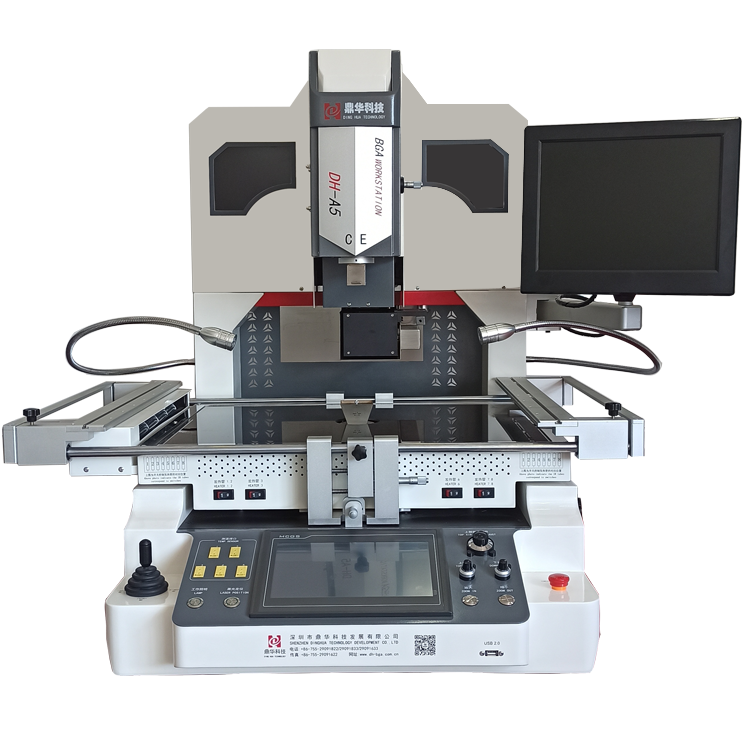
In the realm of **industrial equipment maintenance**, BGA (Ball Grid Array) repair stations stand as critical components in ensuring the longevity and optimal performance of various machinery. These specialized facilities focus on the repair and rework of circuit boards, specifically those using BGA technology. As industries increasingly rely on complex, high-performance electronics, understanding the function and significance of BGA repair stations has never been more essential.
The Importance of Industrial Equipment Maintenance
Effective maintenance of industrial equipment is paramount to minimizing downtime and maximizing productivity. A well-maintained system not only enhances efficiency but also extends the equipment's lifespan. Regular servicing, inspections, and repairs prevent small issues from escalating into major failures, which can be costly and disruptive.
What Are BGA Components?
BGA components are a type of surface-mount packaging used for integrated circuits. They offer several advantages over traditional packaging, including improved performance, reduced size, and enhanced thermal and electrical conductivity. As industries adopt more compact and sophisticated electronic designs, BGAs have become increasingly prevalent in various applications, from telecommunications to automotive systems.
How BGA Repair Stations Operate
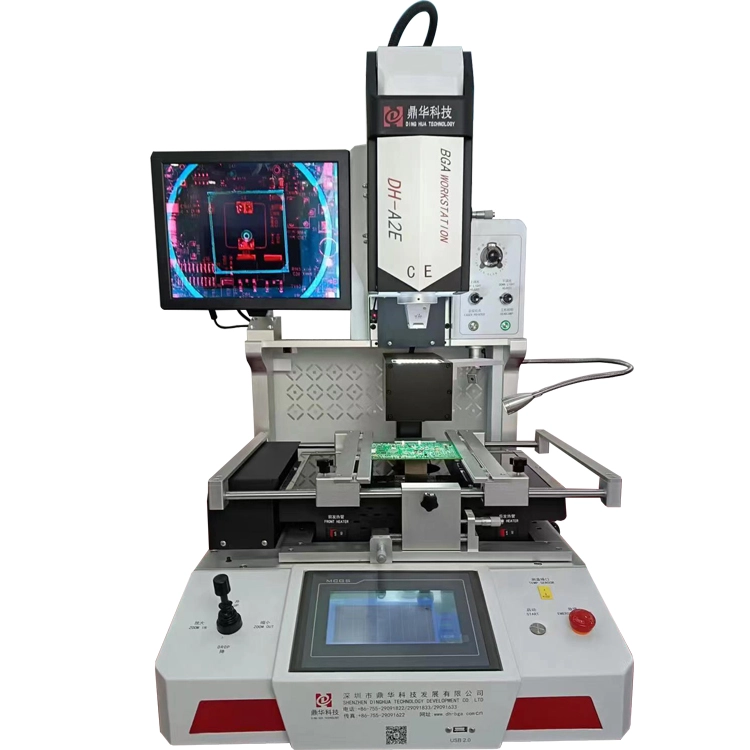
BGA repair stations employ advanced techniques and equipment to diagnose and fix issues with BGA components. The typical process includes:
1. Inspection and Diagnosis
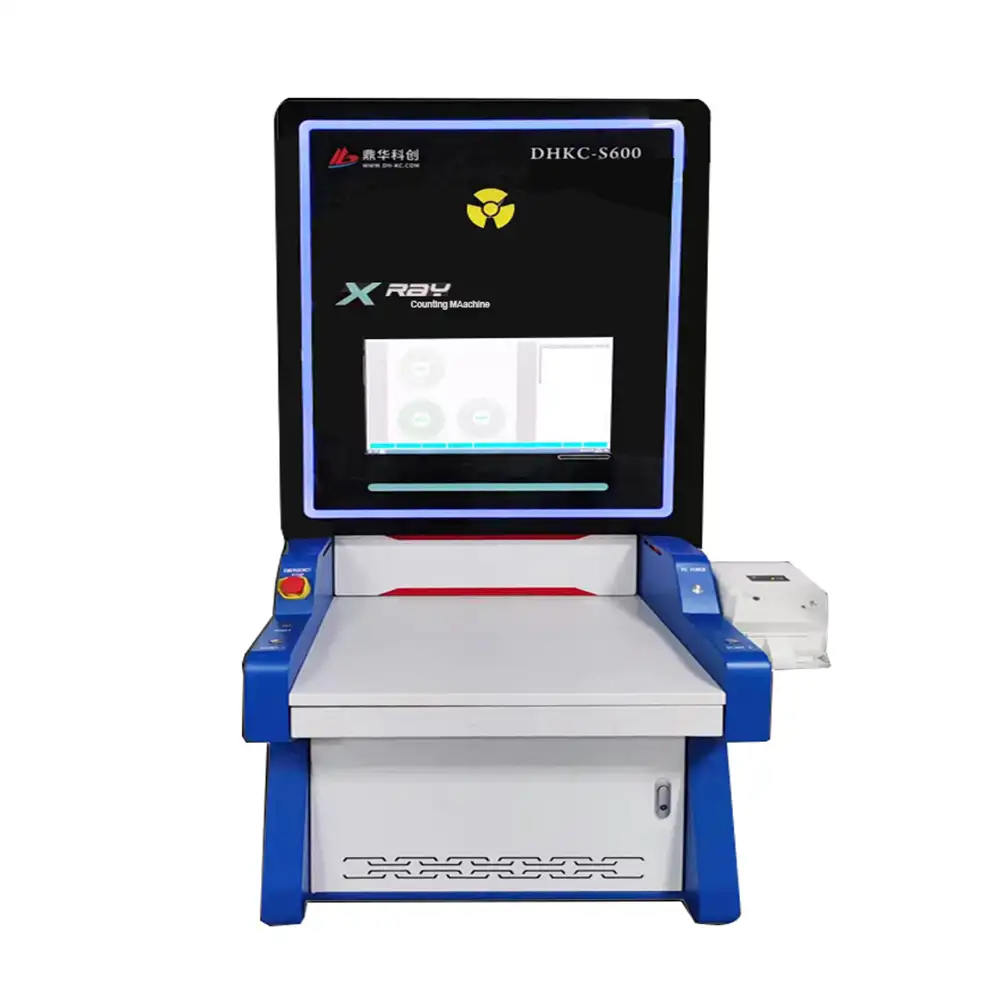
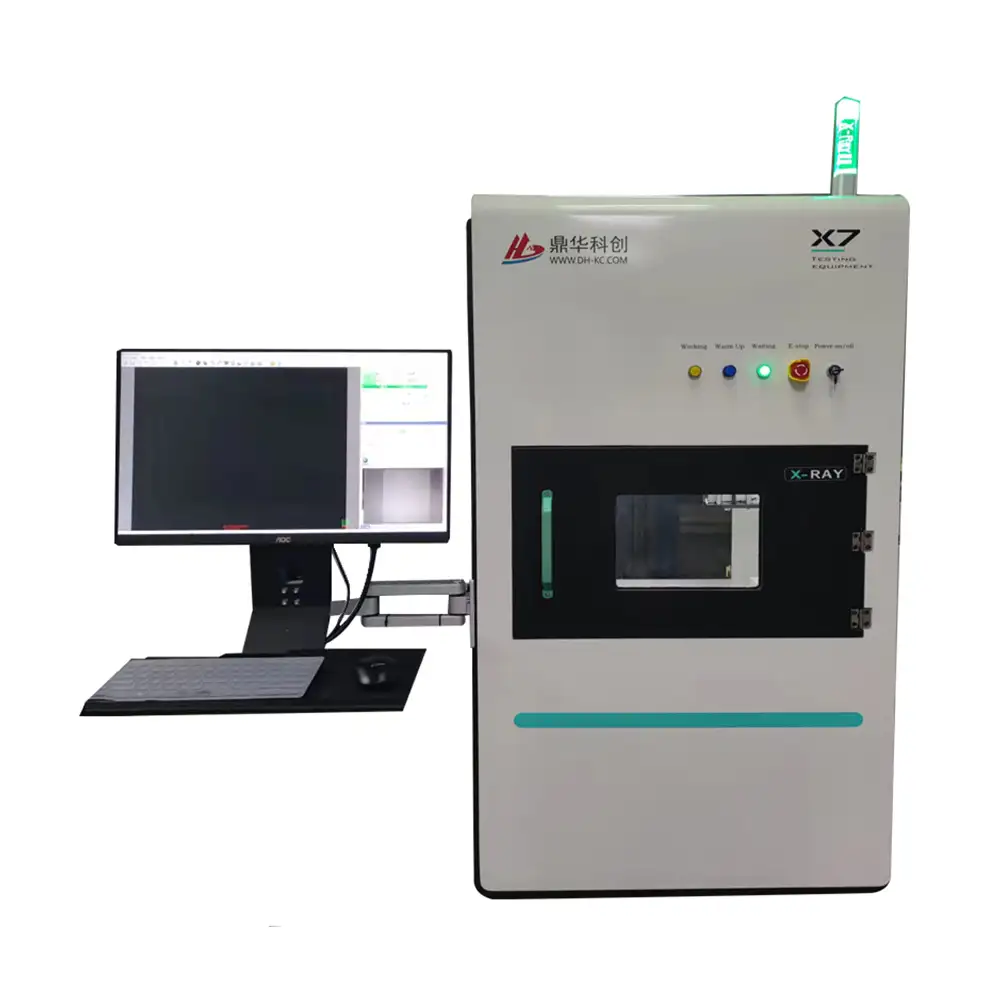
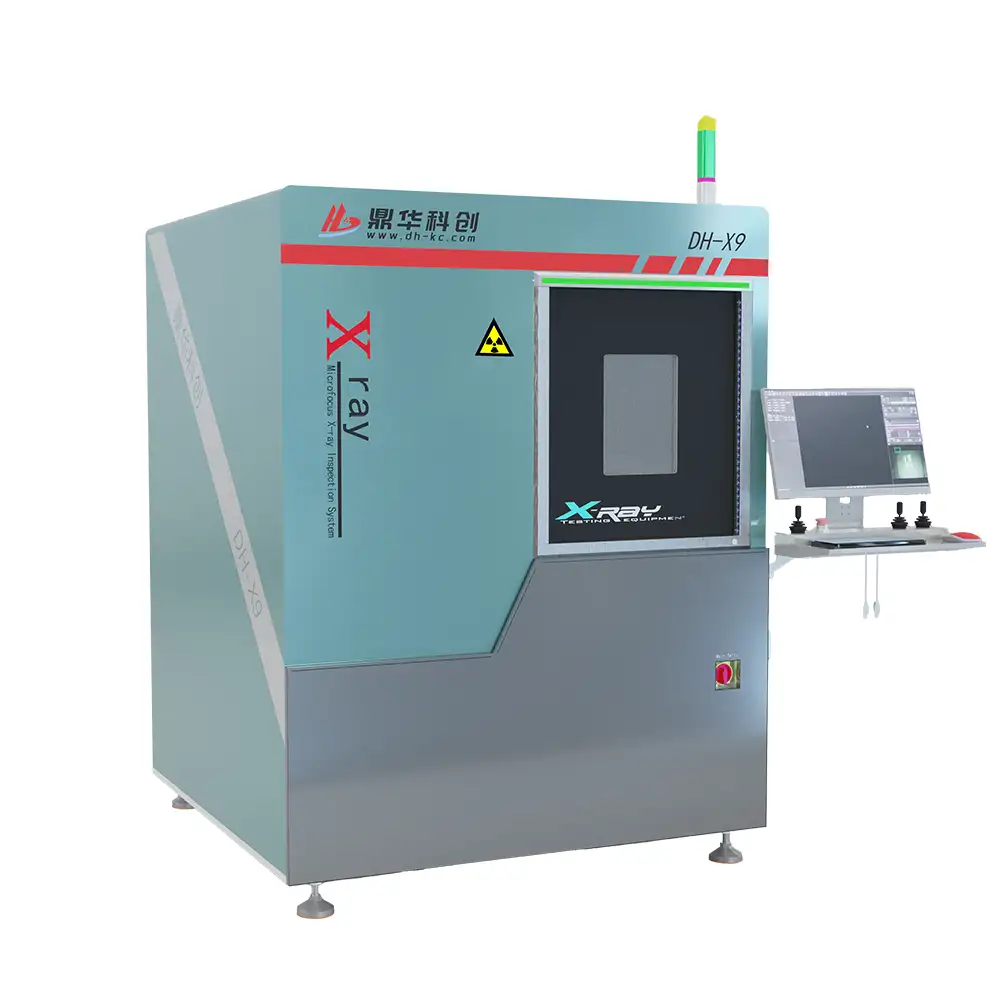
High-resolution imaging systems, such as X-ray machines, are utilized to inspect the integrity of BGA joints and the surrounding areas. Technicians look for issues like cracks, voids, or misalignments that could hinder performance.
2. Desoldering
Once identified, faulty BGAs are desoldered using precise equipment. This step is crucial as it allows for the safe removal of the defective component without damaging the circuit board.
3. Rework and Soldering
After inspecting the underlying circuitry, the repair team will rework any damaged areas before soldering a new or refurbished BGA component onto the board. State-of-the-art reflow ovens are often used to ensure proper soldering conditions.
4. Testing and Quality Assurance
Post-repair, the equipment undergoes rigorous testing to confirm that the BGA component functions correctly and meets industry standards. This step is vital for avoiding future failures and ensuring reliability.
Benefits of Utilizing BGA Repair Stations
Engaging with a specialized BGA repair station offers numerous advantages, including:
Cost Savings
Replacing entire circuit boards can be significantly more expensive than repairing individual components. BGA repair stations provide a cost-effective alternative, helping businesses allocate resources more efficiently.
Time Efficiency
Repairing rather than replacing can lead to quicker turnaround times, minimizing equipment downtime and allowing for uninterrupted operations.
Expertise and Precision
BGA repair stations are staffed by skilled technicians with specialized training in handling complex electronic components. Their expertise ensures that repairs are carried out with precision, significantly reducing the risk of further issues.
Environmental Responsibility
Repairing existing components is a more sustainable option than manufacturing new ones. Utilizing BGA repair services contributes to reduced electronic waste, aligning with corporate sustainability goals.
Choosing the Right BGA Repair Station
Selecting an appropriate BGA repair station is crucial for ensuring quality repairs. Consider the following factors when making your choice:
1. Experience and Reputation
Look for repair stations with a proven track record in the industry. Research their reputation through customer reviews and testimonials.
2. Certifications and Standards
Ensure the facility adheres to industry standards and holds relevant certifications, such as IPC-A-610 for electronic assembly quality.
3. Technology and Equipment
The best BGA repair stations utilize the latest technology and equipment, ensuring high-quality repairs. Inquire about their processes and tools to gauge their capabilities.
4. Customer Support
A reliable repair station should offer excellent customer service, providing clear communication and support throughout the repair process.
Common Challenges in BGA Repairs
Despite advancements in technology, several challenges persist in BGA repairs:
1. Component Obsolescence
As technology evolves rapidly, some BGA components may become obsolete, complicating repair efforts. Repair stations must be adept at sourcing replacement parts or alternatives.
2. Complexity of Designs
Modern circuit boards often feature intricate designs that can complicate the repair process. Repair technicians must possess in-depth knowledge of various layouts and technologies.
3. Quality Control
Maintaining stringent quality control measures can be challenging, particularly in high-volume environments. Repair stations must implement robust processes to ensure every repair meets quality standards.
Future Trends in BGA Repair Stations
As technology continues to evolve, so will the landscape of BGA repair stations. Anticipated trends include:
1. Automation and AI Integration
The integration of automation and artificial intelligence (AI) in repair processes can enhance efficiency and accuracy, significantly reducing human error.
2. Enhanced Training Programs
To keep pace with technological advancements, BGA repair stations will increasingly invest in training programs for their technicians, ensuring they remain skilled in the latest techniques.
3. Eco-Friendly Practices
With growing emphasis on sustainability, BGA repair stations are likely to adopt more eco-friendly practices, focusing on waste reduction and recycling efforts.
Real-Life Applications of BGA Repair Stations
Understanding the practical applications of BGA repair stations can further illustrate their significance in industrial equipment maintenance:
1. Telecommunications Equipment
Telecommunications companies rely heavily on BGA components for their network infrastructure. Efficient repair services ensure that critical systems remain operational.
2. Automotive Industry
As modern vehicles become more complex, the demand for reliable electronic components increases. BGA repair stations play a vital role in maintaining automotive electronic systems.
3. Medical Devices
In the medical field, equipment reliability can be a matter of life and death. BGA repair stations ensure that crucial medical devices operate flawlessly.
FAQs About BGA Repair Stations
1. What types of equipment can BGA repair stations service?
BGA repair stations can service various electronic equipment, including telecommunications devices, automotive electronics, and medical devices.
2. How long does the BGA repair process typically take?
Repair times can vary based on the complexity of the issue and the repair station's workload. However, repairs are often completed within a few days.
3. Are BGA repairs guaranteed?
Most reputable BGA repair stations offer warranties on their work, ensuring your repaired equipment remains reliable.
4. How can I prevent BGA component failures in my equipment?
Regular maintenance and inspections can help identify potential issues before they escalate. Additionally, ensuring proper operating conditions can enhance component longevity.
5. What should I look for in a BGA repair station?
Consider factors such as experience, certifications, technology, and customer support when choosing a BGA repair station.
Conclusion
BGA repair stations play an indispensable role in the maintenance of industrial equipment. Their specialized knowledge, efficient processes, and commitment to quality ensure that BGA components function reliably within various applications. By understanding the intricacies of these repair stations and their impact on industrial operations, businesses can make informed decisions about their maintenance strategies, ultimately enhancing productivity and competitiveness in their respective markets.
Keywords:

Related News

High-Speed X-ray Component Counter Machine for SMT Inventory
In high-mix, low-volume SMT manufacturing, manual component counting is a major bottleneck that drains labor hours and introduces costly inventory discrepancies. The Dinghua X-ray Counter Machine completely revolutionizes your warehouse management. By utilizing advanced industrial X-ray imaging combined with AI deep-learning algorithms, this system allows operators to calculate the exact component count of full SMD reels, tubes, or trays in seconds—without ever breaking the factory moisture-barrier seal.

Complete Guide to BGA Rework Station 2026: Tips for PCB Repair & Manufacturing
This 2026 guide covers everything you need to know about BGA rework stations, from core definitions to selection, operation, and maintenance. We draw on 15 years of hands-on experience manufacturing and testing BGA rework equipment, plus data from leading electronics industry associations to deliver unbiased, actionable advice. You’ll find step-by-step guides, comparison data, and answers to common questions to help you choose or use your BGA rework station correctly.

Complete Guide to Nondestructive Testing Equipment for Electronics Quality Control 2026
This comprehensive 2026 guide covers core knowledge of Nondestructive Testing Equipment, from basic definitions to practical selection and application tips, with a focus on the electronics manufacturing industry. We share hands-on testing insights, comparison data, and expert recommendations from our 15+ years of NDT manufacturing experience to help you find the right solution.
2026 Complete Guide to BGA Rework Station: Types, Uses & Buying Tips
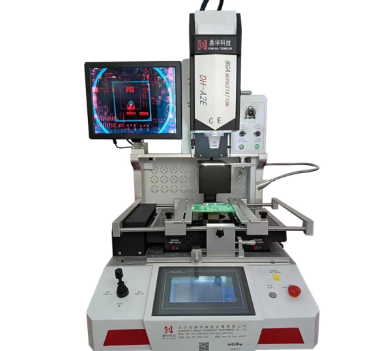
This 2026 expert guide covers every critical aspect of BGA rework stations, from basic definitions and core components to step-by-step processes, model comparisons, and buying guidance. We draw on 12 years of hands-on testing and manufacturing experience from www.xraybgamachine.com, align with global IPC and RoHS standards, and answer common questions professionals have when purchasing a new station. This guide helps you make an informed buying decision for any facility size.


Contact Us
> Tel: +8615768114827 /+86-755-29091822
> Fax: +86-0755-29091622
> Email: John@dh-kc.com
> Address: 4th Floor, Building 6B, Shengzuozhi Technology Park, Xinqiao(518125),Bao'an,Shenzhen, Guangdong, China.

Copyright © 2024 Shenzhen Dinghua Innovation Technology Co., Ltd. All Rights Reserved.