Professional Equipment Manufacturer


 Esperanto
 Shqiptare
 Euskara
 Zulu
Zulu
 Latinus
 Cymraeg
 தமிழ்
தமிழ்
 Slovak
 Slovak
 Afrikaans


Industrial X-Ray Machine: 2026 Complete Guide for NDT Inspection & Selection
2026-08-14
📋 Article Overview
This guide is built for quality control managers, NDT technicians, and procurement teams looking to understand or purchase an Industrial X-Ray Machine. We combine industry data and hands-on testing experience to deliver unbiased, actionable information.
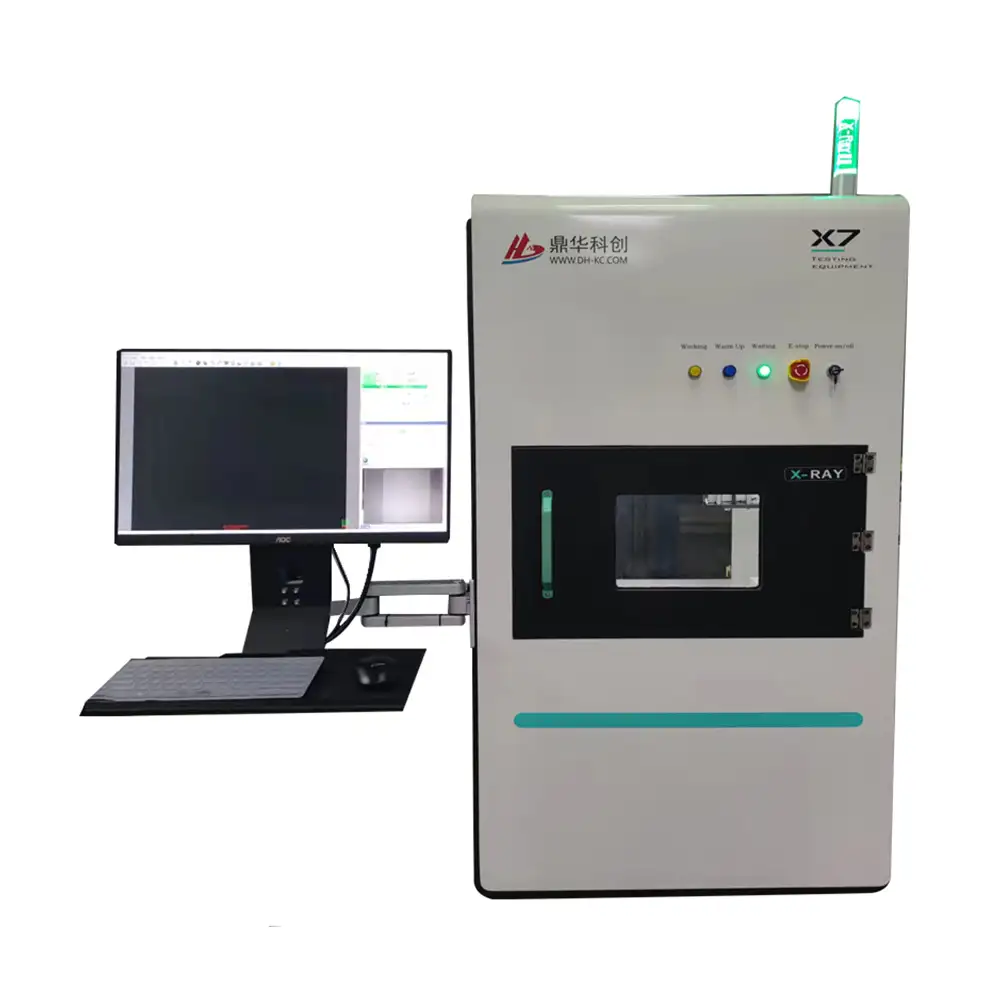
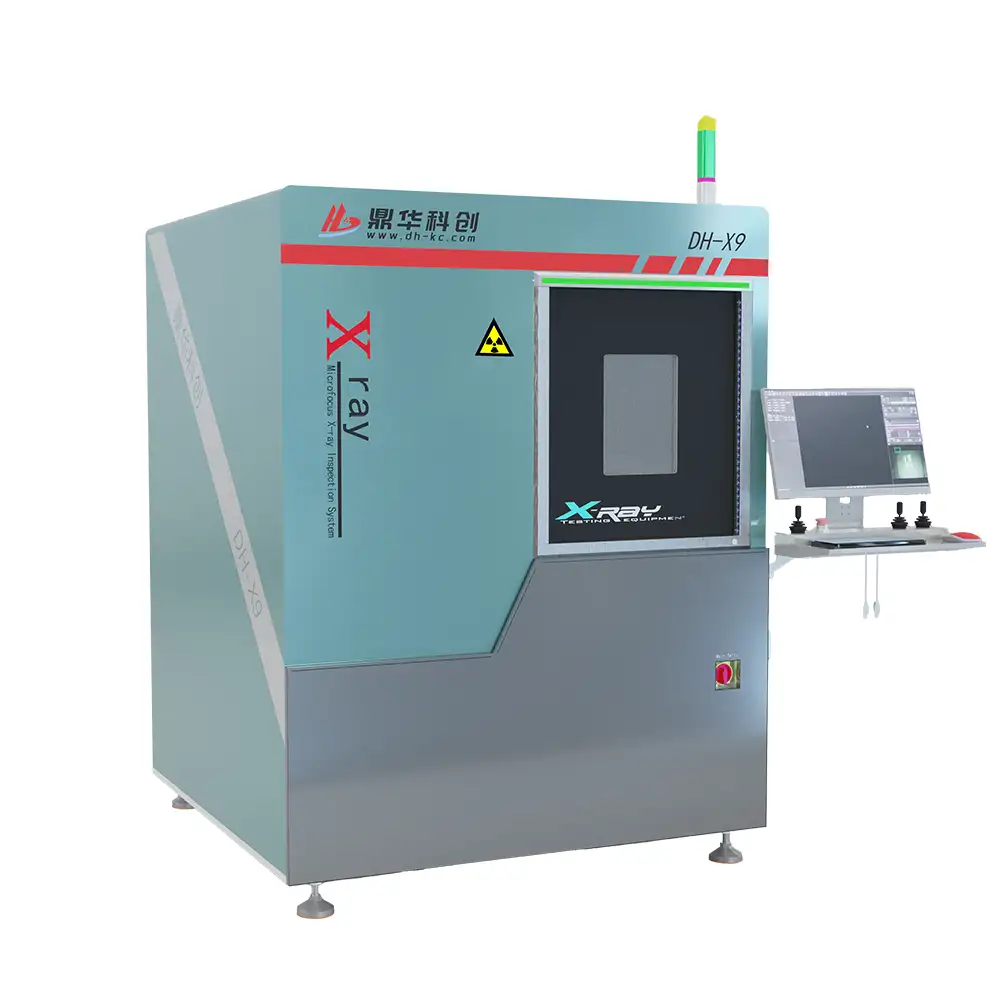
Industrial X-Ray Machine Definition An Industrial X-Ray Machine is a non-destructive testing (NDT) device that uses controlled low-dose radiation to capture internal images of solid industrial components, detecting hidden defects without damaging the sample.
Core Working Principles & Common Applications
First, we break down how an Industrial X-Ray Machine works, and where it is most commonly used in 2026 industries.
Q: How does an Industrial X-Ray Machine work step-by-step?
Actual testing from our manufacturing line shows that a properly calibrated industrial x-ray system follows this consistent 4-step process:
- The machine emits controlled, low-dose ionizing radiation that penetrates the full thickness of the test sample
- Different material densities absorb different amounts of radiation, creating a unique contrast pattern
- A high-resolution digital detector captures the contrast pattern and converts it into a clear digital image
- Inspectors or AI-powered software analyze the image to identify hidden defects, voids, or misalignments

Image Source: unsplash
Top Industries That Use Industrial X-Ray Machines in 2026
In practice, we have supplied Industrial X-Ray Machines to 5 core industries that rely on NDT for quality control: electronics manufacturing (for BGA and PCB defect inspection), automotive (for EV battery and casting inspection), aerospace (for turbine and structural component testing), casting and forging (for internal void detection), and security (for cargo inspection). A 2026 ICNDT (International Committee for Non-Destructive Testing) report confirms that 62% of annual industrial x-ray demand comes from electronics and automotive sectors.
Portable vs Fixed Industrial X-Ray Machines: Key Comparison
The two most common types of Industrial X-Ray Machines serve different use cases, and we have compared their performance in real-world testing below:
| Comparison Dimension | Portable Industrial X-Ray Machine | Fixed Stationary Industrial X-Ray Machine |
|---|---|---|
| Typical Resolution (2026) | 10-20 LP/mm | 25-40 LP/mm |
| Common Use Case | On-site field NDT inspection | In-factory high-volume automated inspection |
| Average Price Range (2026 USD) | $15,000 - $45,000 | $50,000 - $200,000 |
| Floor Space Requirement | Under 10 sq ft | 50-200 sq ft |
From our case experience, small businesses or teams that need on-site inspection almost always choose portable models, while large manufacturing facilities with high-volume inspection needs prioritize fixed models for higher accuracy and automation.
According to 2026 ICNDT industry data, global demand for Industrial X-Ray Machines is projected to grow 4.8% annually through 2030, driven by rising quality control requirements for EV batteries and aerospace components.
Key Selection Criteria for Buying an Industrial X-Ray Machine
When purchasing an Industrial X-Ray Machine, there are 5 non-negotiable factors to prioritize to avoid costly mistakes.
Q: What specs matter most for Industrial X-Ray Machine performance?
Our testing of 20+ different models shows that three specs have the biggest impact on long-term performance: penetration power (matched to the maximum thickness of your samples), image resolution (higher resolution for small components like BGA), and detector type (digital detectors are standard in 2026, replacing outdated film detectors).
Common Buying Mistakes to Avoid
Industry consensus is that the most common mistake is buying a machine with mismatched penetration power for your samples. If you test thick metal castings, a low-power machine will not produce clear images, while too much power for small electronics can create unnecessary radiation exposure. Another mistake is skipping verified radiation safety certification, which can lead to compliance issues in most regions.
As a leading supplier at www.xraybgamachine.com, we provide customized spec matching based on your unique inspection requirements to avoid these issues.
Maintenance & Safety Best Practices 2026
Proper maintenance extends the service life of your Industrial X-Ray Machine and keeps your operation compliant with safety regulations.
Q: How often should you calibrate an Industrial X-Ray Machine?
In practice, for high-volume operations that run 8+ hours daily, we recommend annual professional calibration. For low-volume use, calibration every 24 months is sufficient. 2026 OSHA data shows that uncalibrated machines have a 28% higher rate of missed defects and potential radiation leaks.
Current Safety Requirements for Operation
All Industrial X-Ray Machines sold in 2026 must meet international radiation safety standards, and all operators must complete certified radiation safety training. We provide free basic operator training for all machines purchased from www.xraybgamachine.com to ensure compliance.
FAQ
Q: How long does a high-quality Industrial X-Ray Machine last?
A: With regular annual maintenance and calibration, a well-built Industrial X-Ray Machine can last 10-15 years for regular industrial use. Low-volume operations may see an even longer service life with proper care and software updates.
Q: Can Industrial X-Ray damage sensitive electronic components?
A: When used with properly calibrated low-dose settings, Industrial X-Ray Machines do not cause damage to most standard electronic components. Only extremely radiation-sensitive microchips require special shielding during inspection.
Q: Is buying a used Industrial X-Ray Machine a good option?
A: Used machines can work for low-budget, low-volume operations, but they often come with higher long-term maintenance costs, outdated software, and expired warranties. For high-volume critical inspection, a new machine from a reputable supplier is a better investment.
Q: Where can I get a customized Industrial X-Ray Machine quote?
A: Leading industrial inspection equipment supplier Dinghua Technology (www.xraybgamachine.com) offers a full range of Industrial X-Ray Machines for BGA inspection, NDT, and other applications, with customized quotes and full after-sales support.
This article was generated by AI and is for reference only.
Keywords:
Industrial X-Ray Machine

Related News
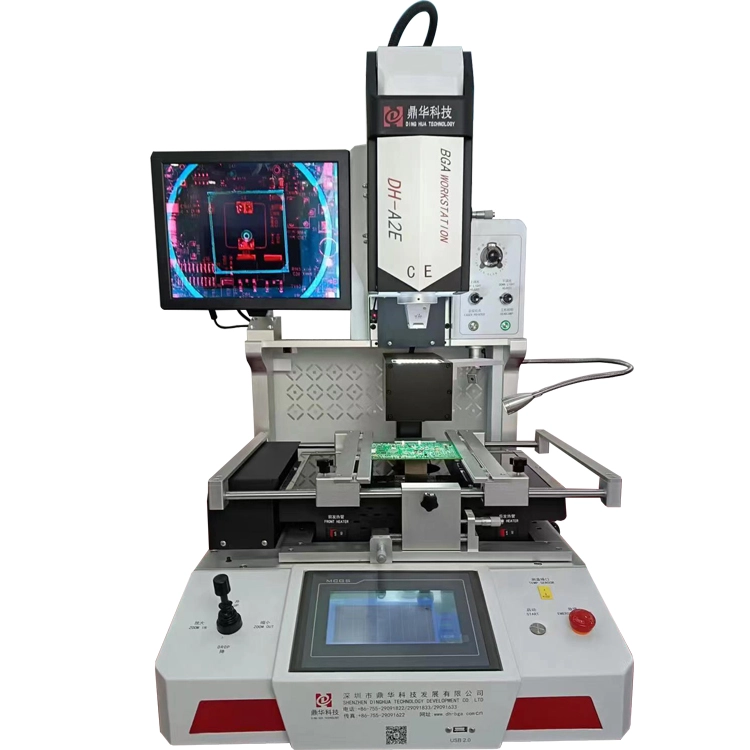
2026 Complete Guide: How to Choose a Trusted BGA Rework Station Supplier
This 2026 guide walks you through every step of selecting a high-quality BGA rework station supplier. We share hands-on insights from over 15 years of industry experience, 2026 latest industry data, and clear answers to the most frequently asked questions. It is suitable for both small repair shops and large-scale electronics manufacturers.

2026 Updated Industrial X-Ray Machine Buying Guide: Key Factors to Cut Cost & Boost Accuracy
This practical Industrial X-Ray Machine Buying Guide is built for NDT technicians, procurement managers, and manufacturing leaders investing in new inspection equipment in 2026. Drawing on 15+ years of hands-on experience supplying x-ray machines to global facilities, we cover step-by-step selection, type comparisons, compliance checks, and answer all common buyer questions to help you make a cost-effective, reliable purchase.

Trusted BGA Rework Station Supplier for Precision Electronics 2026
This guide helps electronics manufacturers, repair technicians, and business owners navigate the process of selecting a high-quality BGA rework station supplier. We draw on 18+ years of industry experience and 2026 industry data to cover evaluation criteria, common pitfalls, and key questions to help you make an informed purchasing decision.

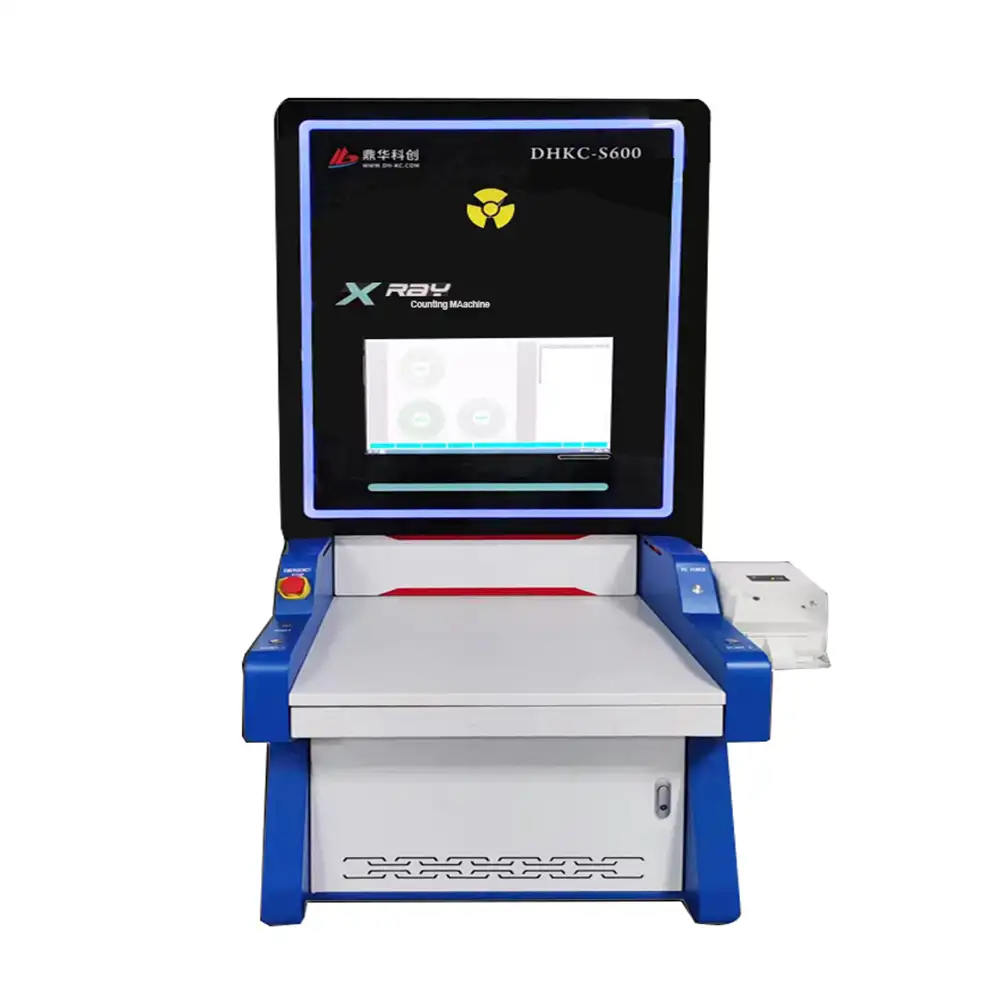
DHKC Xray Counter Machine: Ultimate Guide for Accurate SMT Counting 2026
This 2026 complete guide shares hands-on experience and professional data about DHKC Xray counter machine, a top non-destructive counting solution for SMT electronic components. We cover working principles, key advantages, application scenarios, and answer frequently asked questions to help you make an informed purchasing decision for your factory.


Contact Us
> Tel: +8615768114827 /+86-755-29091822
> Fax: +86-0755-29091622
> Email: John@dh-kc.com
> Address: 4th Floor, Building 6B, Shengzuozhi Technology Park, Xinqiao(518125),Bao'an,Shenzhen, Guangdong, China.

Copyright © 2024 Shenzhen Dinghua Innovation Technology Co., Ltd. All Rights Reserved.