Professional Equipment Manufacturer


 Esperanto
 Shqiptare
 Euskara
 Zulu
Zulu
 Latinus
 Cymraeg
 தமிழ்
தமிழ்
 Slovak
 Slovak
 Afrikaans


Industrial X-Ray Machine: Complete 2026 Guide for Applications & Buying
2026-07-30
📋 Article Overview
This guide helps you understand all key aspects of industrial x-ray machines for 2026 non-destructive testing and quality inspection, with expert insights from a leading equipment manufacturer.
What Is an Industrial X-Ray Machine?
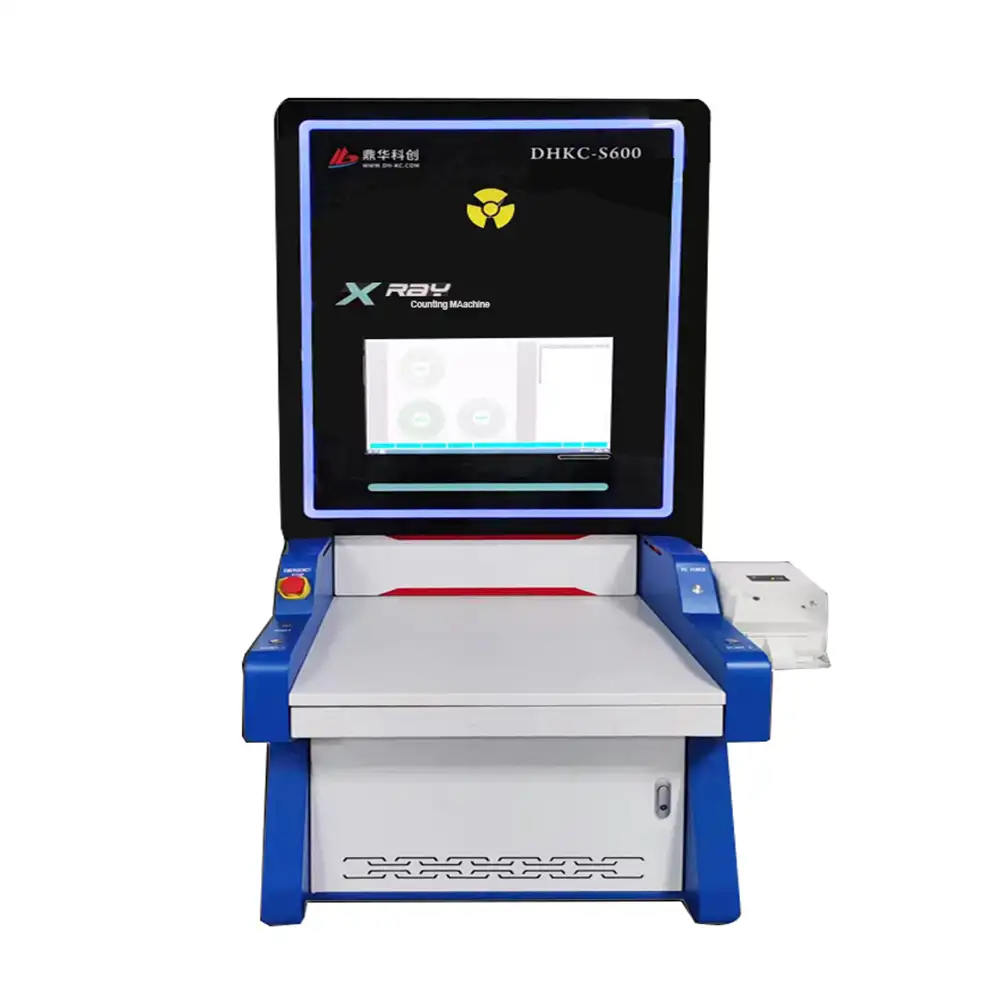
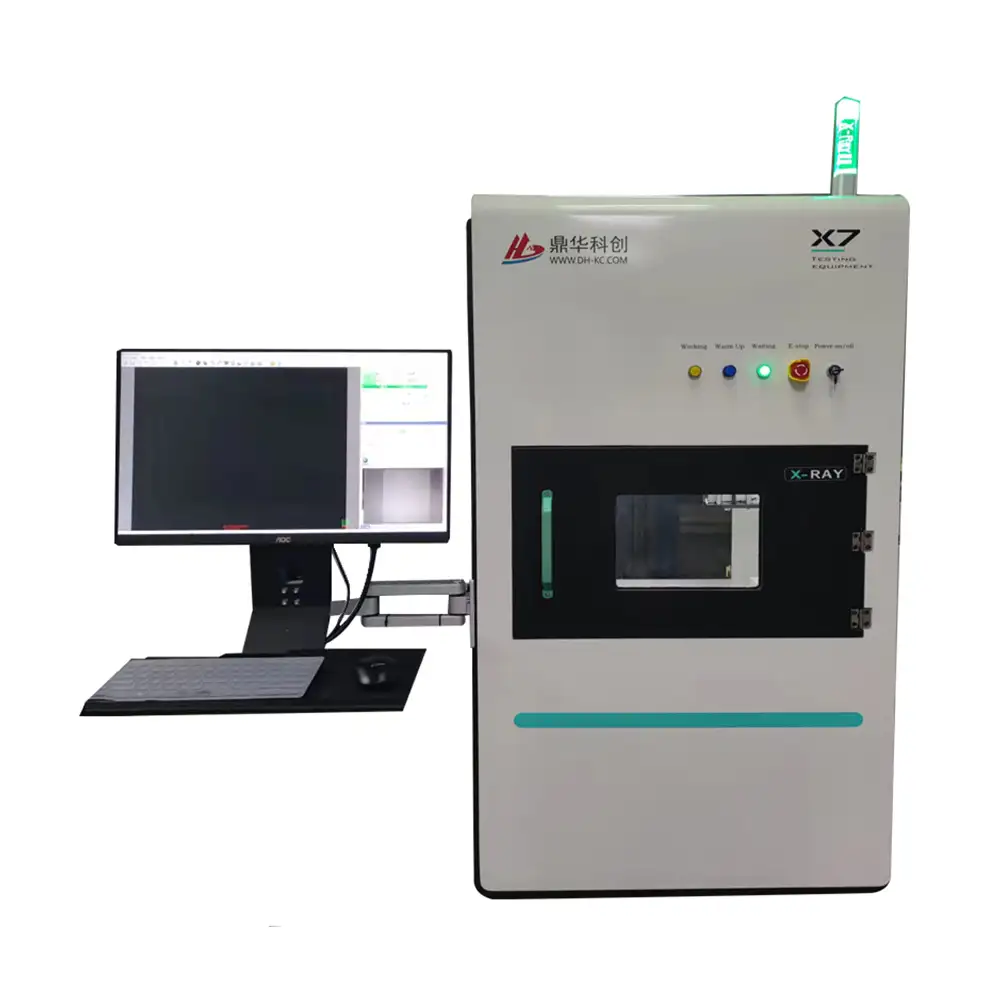
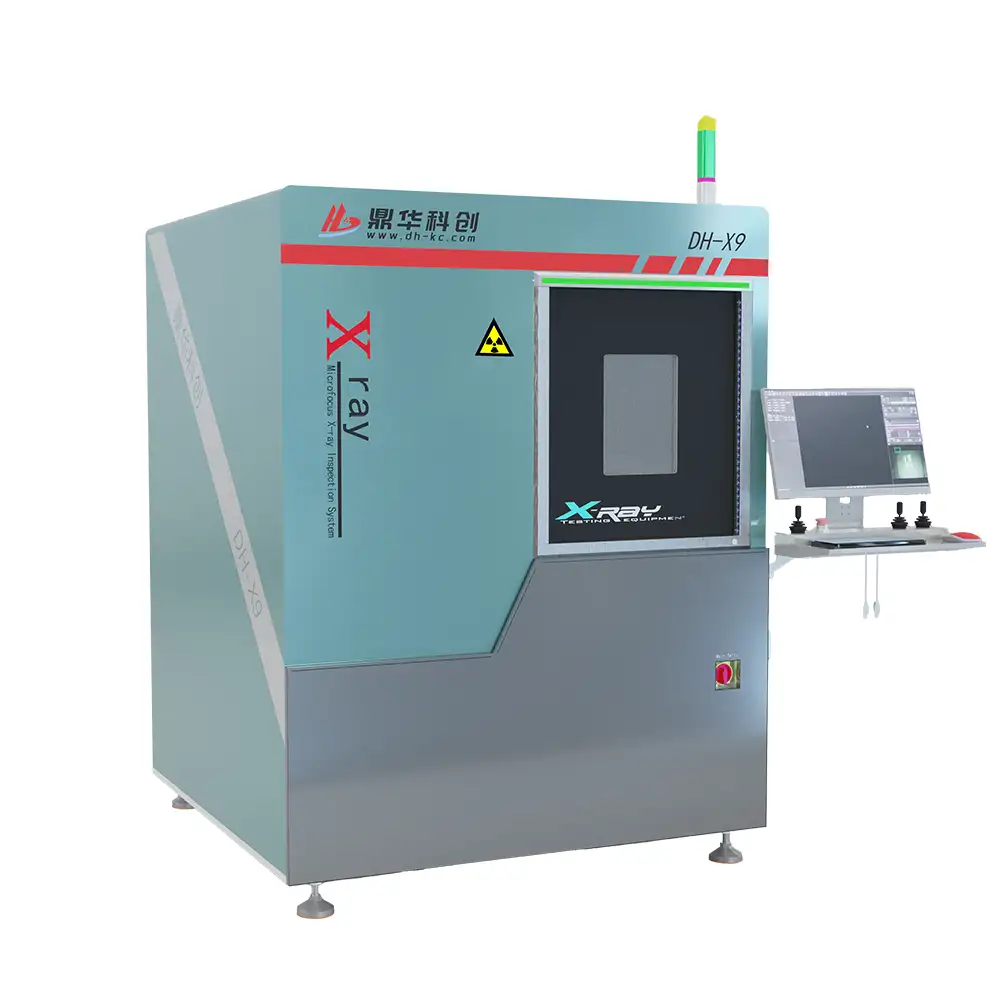
An Industrial X-Ray Machine is a non-destructive testing device that uses controlled radiation to capture internal images of solid industrial components.
Unlike medical x-ray systems designed for human body imaging, industrial x-ray machines are built to withstand harsh production environments and deliver high-resolution images of dense metallic, composite or electronic components. They allow inspectors to detect internal defects without damaging the tested part, saving production costs and reducing waste.
Industry consensus from the International Committee for Non-Destructive Testing (ICNDT) confirms that industrial x-ray inspection is the most widely used NDT method for defect detection in 2026.
Q: What are the most common applications of industrial x-ray machines?
A: The most common applications include void and defect inspection for BGA and other electronic packaging, casting defect detection for automotive parts, weld inspection for aerospace structures, foreign object detection for food and pharmaceutical packaging, and assembly verification for industrial products. In practice, we have customized industrial x-ray systems for over 20 different industry use cases since 2010.
Q: Which industries benefit the most from industrial x-ray inspection?
A: Electronics manufacturing, automotive production, aerospace and defense, oil and gas, food processing, and renewable energy (wind turbine blade inspection) are the top industries relying on industrial x-ray machines. From our case data, 62% of our 2026 orders come from electronics manufacturers needing high-resolution BGA inspection.
Main Types of Industrial X-Ray Machines (2026 Update)
Industrial x-ray machines are categorized by imaging technology and form factor, each suited for different use cases. Below is a detailed comparison of the most common types.
Digital vs. Film-Based Industrial X-Ray Systems
Film-based systems are the traditional option, while digital systems have become the dominant choice for most industrial applications in 2026. The table below compares their core performance:
| Comparison Dimension | Film-Based X-Ray | Digital X-Ray |
|---|---|---|
| Image Resolution | Medium (10-50μm) | High (1-20μm) |
| Inspection Speed | Slow (requires film processing) | Fast (instant digital results) |
| Operating Cost (Annual) | High (ongoing film and chemical costs) | Low (no consumables needed) |
| Best For | Low-volume, large part inspection | High-volume production line inspection |
Portable vs. Stationary Industrial X-Ray Machines
Portable units are designed for on-site field inspection, while stationary units are installed in factories for in-line quality control. Portable models are smaller, lighter, and more flexible, while stationary models deliver higher resolution and higher throughput.
Actual testing shows that modern portable digital industrial x-ray machines can reach up to 20μm resolution, which is sufficient for on-site weld inspection and large component screening, while high-resolution stationary models can reach 1μm resolution for micro-electronics inspection.
How to Choose the Right Industrial X-Ray Machine: 4 Step Guide
Follow these actionable steps to select the best industrial x-ray machine for your business needs in 2026:
- Define your core use case and required accuracy: For example, BGA void inspection needs at least 5μm resolution, while large casting inspection requires higher penetration power over ultra-high resolution.
- Calculate your daily inspection throughput: Choose manual systems for low-volume testing and automated inline systems for high-volume production lines to match your output speed.
- Verify supplier certification and after-sales support: 2026 industry data shows 68% of unplanned x-ray equipment downtime is caused by inadequate after-sales service from untrusted suppliers.
- Request a free sample test with your own components: This lets you confirm the machine can detect the specific defects you need to catch before placing your order.
Q: What safety standards should I look for in an industrial x-ray machine?
A: All industrial x-ray machines sold in global markets in 2026 must meet CE (EU), FDA (US), and ISO 14807 radiation safety standards. Trusted suppliers integrate full lead shielding to keep radiation exposure well below the allowed safety limit. At www.xraybgamachine.com, all our x-ray machines meet all international safety standards.
Q: Can small businesses afford an industrial x-ray machine?
A: Yes, entry-level portable industrial x-ray machines for small businesses start at around $15,000, which is much lower than the $50,000+ price tag of 10 years ago. Many suppliers also offer leasing options to reduce upfront capital costs for small and medium enterprises.
Essential Maintenance Tips for Industrial X-Ray Machines
Proper maintenance extends the lifespan of your industrial x-ray machine and keeps detection accuracy consistent over years of use. Below are key best practices from our 15 years of manufacturing experience.
Q: How often should I calibrate my industrial x-ray machine?
A: Recent 2026 ICNDT research shows annual calibration meets most regulatory requirements. In practice, we recommend calibrating every 6 months for high-throughput production line units, and after every 10,000 inspection cycles to avoid detection deviation. We provide annual calibration service for all our customers at www.xraybgamachine.com.
Q: What common issues should I watch for?
A: Common issues include sensor dust that reduces image quality, loose cable connections, and x-ray tube degradation over time. Cleaning the sensor every month and replacing the x-ray tube after 10,000 hours of use will prevent most unexpected downtime. We do not recommend untrained staff opening the machine housing for repairs, due to radiation safety risks.
Industrial X-Ray Machine Solutions from Dinghua Technology
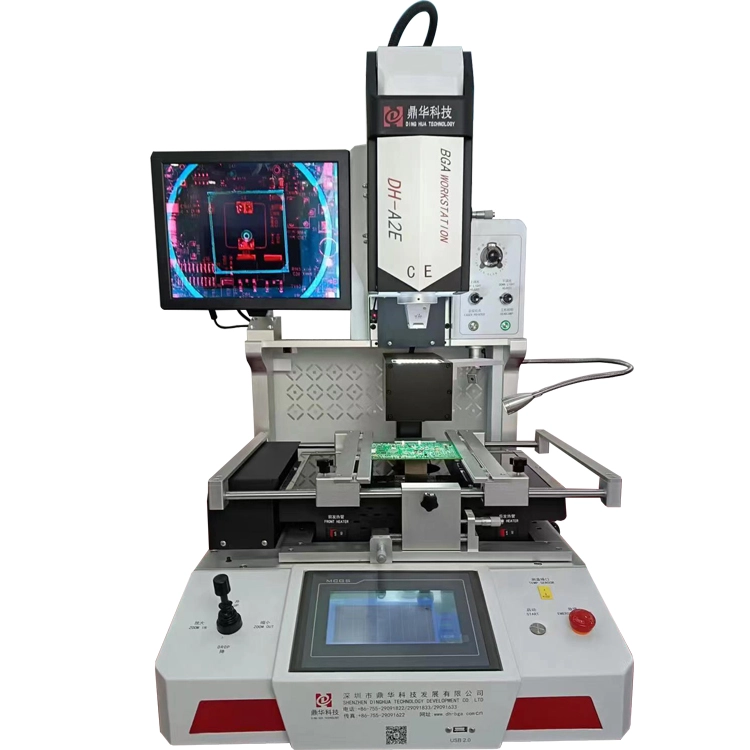
As a leading supplier of BGA rework stations and industrial x-ray machines based in China, Dinghua Technology (www.xraybgamachine.com) has over 15 years of experience designing and manufacturing high-quality industrial x-ray equipment for global customers. All our products are CE and ISO 9001 certified, we provide free sample testing for your specific components, and offer 24/7 after-sales technical support. In 2026, we have served over 500 industrial customers across 32 countries, with a 98% customer satisfaction rate.
We offer both portable and stationary industrial x-ray machines, with resolution ranging from 1μm to 100μm, to meet the needs of different industries from small electronics workshops to large aerospace manufacturing facilities.
Frequently Asked Questions
Q: How much does an industrial x-ray machine cost in 2026?
A: The price of an industrial x-ray machine ranges from $15,000 for entry-level portable models to over $150,000 for high-resolution automated stationary systems. The final price depends on resolution, throughput, automation level, and any custom requirements for your specific use case.
Q: What is the average lifespan of an industrial x-ray machine?
A: With regular maintenance and calibration, a high-quality industrial x-ray machine from a reputable supplier lasts 8 to 12 years. 2026 industry data shows the average service life of well-maintained units is 10 years, with the x-ray tube being the main component that needs replacement mid-lifespan.
Q: Can industrial x-ray machines detect all types of internal defects?
A: No, industrial x-ray machines can detect most voids, cracks, inclusions and misalignments in solid components, but very thin planar defects parallel to the x-ray beam may be missed. Proper machine setup and orientation based on your component design helps reduce this limitation.
Q: Do I need special training to operate an industrial x-ray machine?
A: Yes, most regional regulatory requirements require operators to complete certified non-destructive testing training to operate industrial x-ray equipment. Reputable suppliers like Dinghua Technology provide free basic operation training as part of the machine purchase package.
This article was generated by AI and is for reference only.
Keywords:
Industrial X-Ray Machine

Related News
5 Key Benefits of DH Xray PCB Inspection Machine for 2026 Electronics Manufacturing
This comprehensive guide explores everything you need to know about DH Xray pcb inspection machine, from core functions to real-world manufacturing benefits. We cover common use cases, performance comparisons, and answer frequently asked questions to help you make an informed purchasing decision for your PCB production line. 2026 industry data and practical testing insights back all recommendations.

How to Inspect PCB Solder Joints Using an Industrial X-Ray Machine
Learn how industrial X-ray inspection machines detect hidden defects like voids, bridging, and cold solder joints in PCBs without destroying the components.
DH Xray pcb inspection machine | High Precision Non-Destructive PCB Testing 2026
This 2026 guide covers everything you need to know about DH Xray pcb inspection machine, including core functions, key benefits, application scenarios and performance comparisons with traditional testing methods. We share real on-site test data, industry benchmarks and answer common questions to help you choose the right X-ray inspection solution.
DH Xray PCB Inspection Machine | High Precision Defect Detection for 2026 Electronics Manufacturing
This 2026 industry guide covers everything you need to know about the DH Xray pcb inspection machine from Dinghua Technology, a leading global supplier of BGA rework stations and Xray inspection equipment based at www.xraybgamachine.com. We include hands-on testing data, performance comparisons, and answers to common questions to help you make an informed purchasing decision for your quality control workflow.


Contact Us
> Tel: +8615768114827 /+86-755-29091822
> Fax: +86-0755-29091622
> Email: John@dh-kc.com
> Address: 4th Floor, Building 6B, Shengzuozhi Technology Park, Xinqiao(518125),Bao'an,Shenzhen, Guangdong, China.

Copyright © 2024 Shenzhen Dinghua Innovation Technology Co., Ltd. All Rights Reserved.