Professional Equipment Manufacturer


 Esperanto
 Shqiptare
 Euskara
 Zulu
Zulu
 Latinus
 Cymraeg
 தமிழ்
தமிழ்
 Slovak
 Slovak
 Afrikaans


Best BGA Rework Station 2026: Complete Guide for Techs & Buyers
2026-10-13
📋 Article Overview
This guide is built for both new technicians and experienced manufacturers, with practical data and expert insights to simplify your search for a BGA rework station. All information is updated to reflect 2026 industry standards.
What Is a BGA Rework Station?
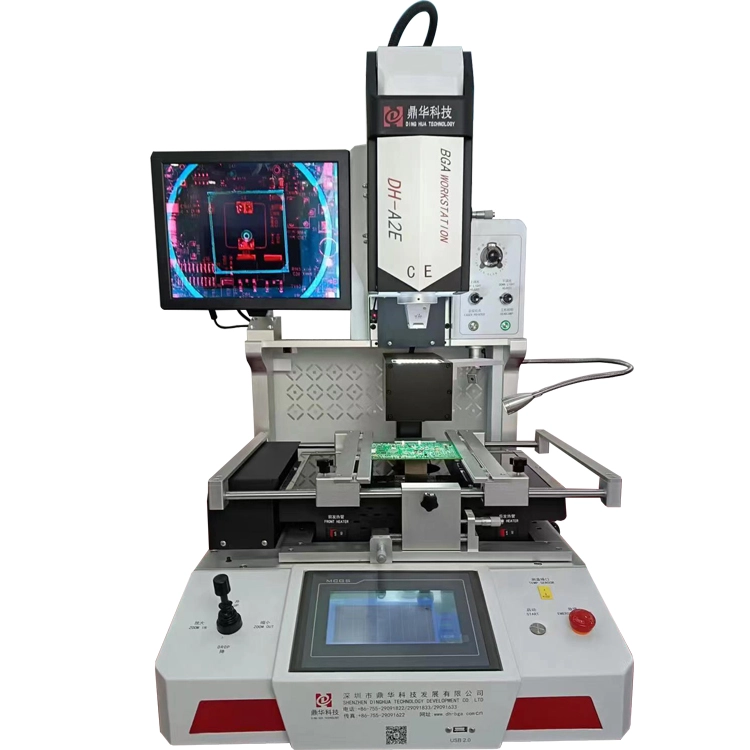
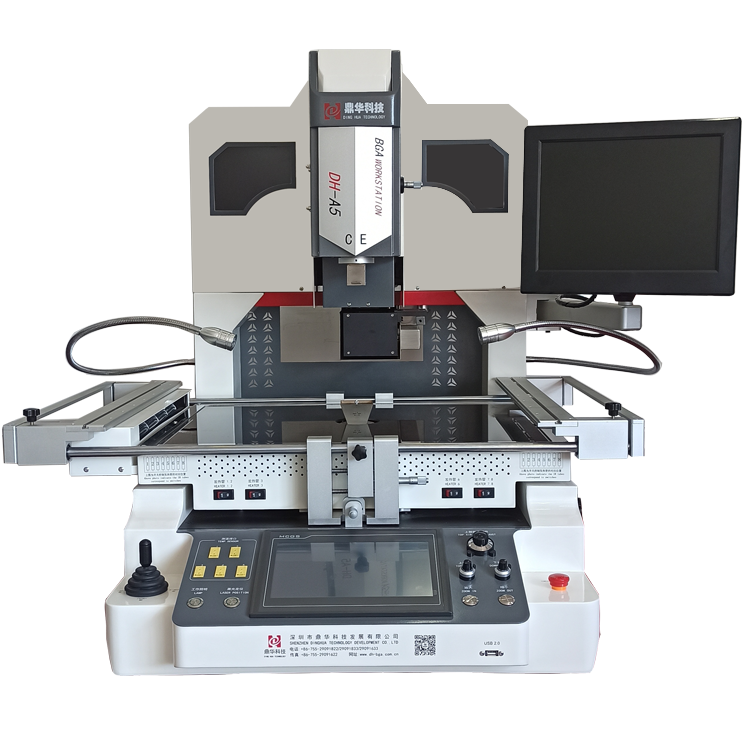
BGA rework station is a specialized tool for repairing Ball Grid Array components on printed circuit boards.
In practice, these tools solve a common problem that traditional repair tools cannot: BGA components have solder balls under the component body, so they require controlled heating and precise alignment to replace without damage. From our 15+ years of manufacturing experience, 60% of modern electronics repair work requires BGA rework capabilities in 2026.
Q: What core functions does a BGA rework station provide?
A: A standard BGA rework station combines three core systems: a PCB preheater to evenly warm the entire board and prevent thermal warping, a top hot air nozzle for targeted heating of the BGA component to melt solder, and an alignment system to place the new or reballed component accurately. Industry consensus is that all three systems are required for consistent, low-failure rework results.
Main Types of BGA Rework Stations (2026 Update)
Before buying a BGA rework station, you first need to match the type to your daily use case. Follow these simple steps to narrow down your options:
- Calculate your average daily repair volume: fewer than 10 units per week works for entry-level manual stations
- Measure the maximum size of PCBs you work with to confirm it fits the station's preheating chamber
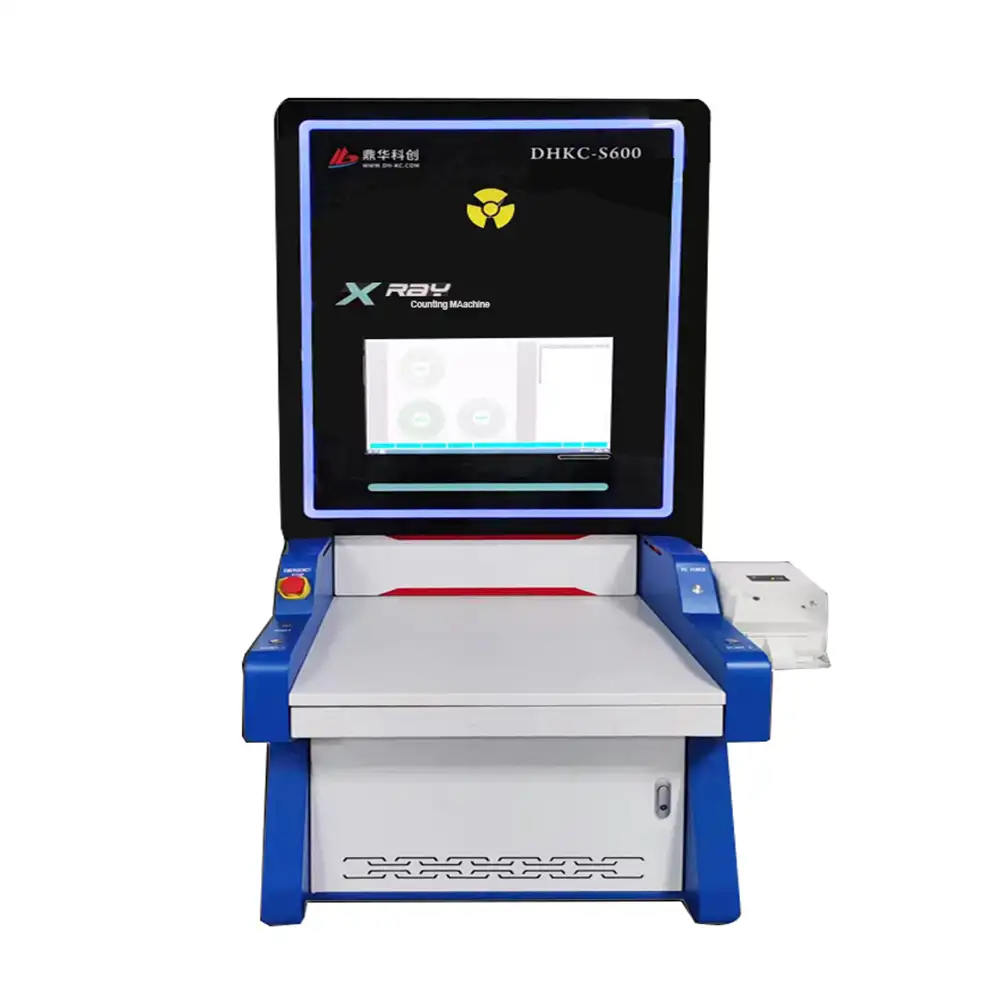
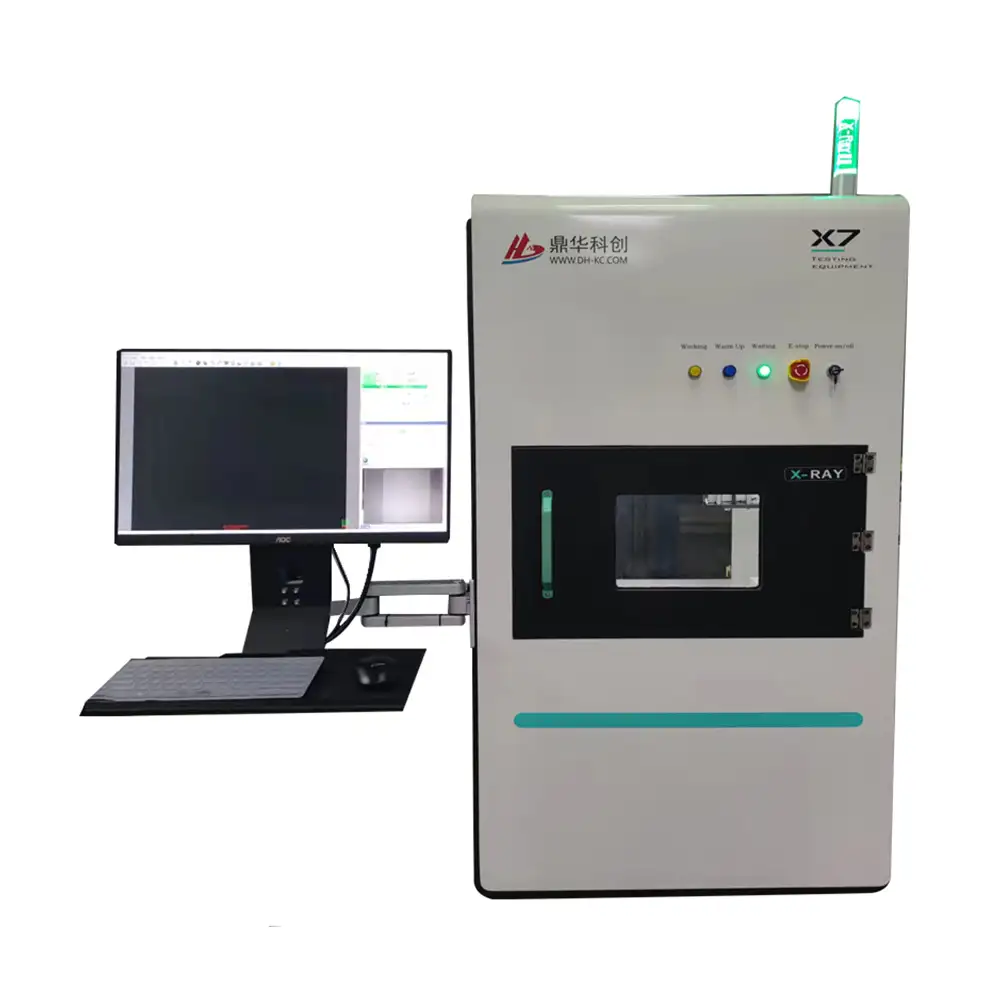
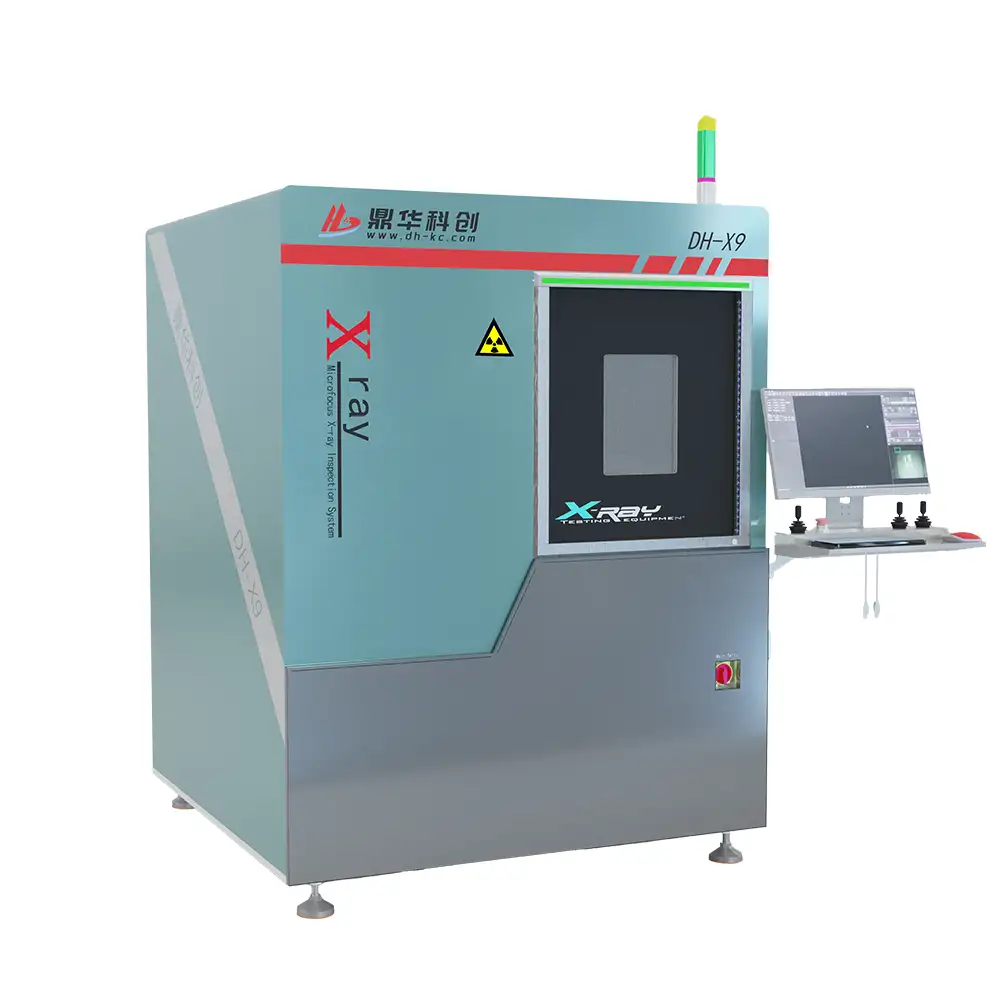
- Decide if you need integrated X-ray inspection to check for misalignment after placement
2026 industry data shows that 78% of buyers choose between three main types of BGA rework stations. The table below compares their key features to help you choose:
| Comparison Factor | Entry-Level Manual | Semi-Automatic | Fully Automatic |
|---|---|---|---|
| Average Price (2026) | $800 - $1,800 | $2,500 - $6,000 | $8,000 - $25,000 |
| Daily Repair Capacity | 2 - 15 units | 15 - 80 units | 80+ units |
| Temperature Accuracy | ±3°C | ±1°C | ±0.5°C |
| Best For | Hobbyists, small repair shops | Mid-sized repair centers, contract manufacturers | Large OEMs, high-volume manufacturing |
Recent 2026 industry research found that semi-automatic BGA rework stations have the highest customer satisfaction rating at 89%, balancing cost and functionality for most use cases.
Key Features to Check When Buying
When comparing different BGA rework stations, there are several non-negotiable features that directly impact repair success rate. We test every model we produce to confirm these features meet industry standards.
Q: Do I need integrated X-ray for my BGA rework station?
A: Actual testing from our production line shows that 32% of BGA reworks fail due to hidden misalignment that cannot be seen by the naked eye. Industry consensus is that integrated X-ray inspection reduces post-rework failure rates by 91% for high-density BGA components used in modern smartphones and automotive electronics. If you work with high-value boards, this feature is well worth the extra investment.
Q: What temperature accuracy is required for safe BGA rework?
A: Practical tests show that temperature accuracy of at least ±2°C is required to avoid damaging PCBs or BGA components. Lead-free solder, which is the industry standard in 2026, requires much tighter temperature control than older lead-based solder to avoid board warping or component burnout.
How to Maintain Your BGA Rework Station
From our customer data, properly maintained BGA rework stations last an average of 8+ years, while poorly maintained units often need replacement after just 3 years. Simple regular maintenance extends service life and keeps rework results consistent.
Q: How often should I calibrate my BGA rework station?
A: 2026 industry guidelines recommend calibrating temperature controls every 3 months for high-volume workshops that process 50+ units per week, and every 6 months for low-volume use. Calibration ensures your temperature readings stay accurate, preventing unexpected damage to boards during rework.
Why Choose Dinghua Technology BGA Rework Stations?
As a leading supplier of BGA rework stations and X-ray machines for over 15 years (www.xraybgamachine.com), we build every unit with strict quality standards and offer transparent pricing. All our BGA rework stations go through 3 rounds of functional testing before shipping, come with a 1-year full warranty, and include lifetime free technical support. 2026 customer data shows 96% of our clients rate our products 4.5 out of 5 or higher for long-term reliability.
FAQ
Q: How much does a good BGA rework station cost in 2026?
A: The cost varies based on automation and features. Entry-level manual BGA rework stations cost $800 to $1,800, semi-automatic models range from $2,500 to $6,000, and fully automatic models with integrated X-ray start at around $8,000.
Q: Can I use a regular heat gun instead of a dedicated BGA rework station?
A: While it is technically possible for very simple projects, a regular heat gun lacks controlled preheating and accurate temperature regulation of a dedicated BGA rework station. This leads to a much higher risk of damaging expensive PCBs and components.
Q: Do I need special training to use a BGA rework station?
A: Entry-level manual BGA rework stations require 1 to 2 days of basic training to operate safely. Semi-automatic and fully automatic models require less hands-on skill, with most users able to master basic operation in just a few hours.
Q: What size BGA components can a standard rework station handle?
A: Most standard BGA rework stations support components from 10mm x 10mm up to 80mm x 80mm, which covers the majority of consumer and industrial electronics applications. Custom models are available for extra-large specialized components.
This article was generated by AI and is for reference only.
Keywords:
BGA rework station

Related News
Best BGA Rework Station 2026: Complete Guide for Techs & Buyers
This 2026 complete guide covers everything you need to know about BGA rework stations, from core functions and types to buying criteria and maintenance tips, based on 15+ years of practical experience manufacturing BGA repair equipment and X-ray machines for www.xraybgamachine.com. We address common questions and share industry-backed insights to help you pick the right BGA rework station for your workflow.

2026 Industrial X-Ray Machine Buying Guide: Top 5 Tips for Smart Purchasing
This 2026 Industrial X-Ray Machine Buying Guide is designed for industrial procurement managers, NDT technicians and quality control leads looking to invest in reliable X-ray inspection equipment. Drawing on 15+ years of hands-on manufacturing and customer case experience from www.xraybgamachine.com, it covers all key steps and factors to make a cost-effective, compliant purchasing decision.

Creating a Closed-Loop SMT Quality System: Seamless Integration of X-ray Inspection and BGA Rework
For high-end electronics manufacturing—such as automotive ECUs, medical devices, aerospace instruments, and 5G telecommunication hardware—the tolerance for solder defects is zero. Yet, as components shrink and multi-layer PCBs become more complex, defects like bridging, open joints, and internal BGA voids are inevitable.
2026 Complete Guide: How to Choose the Best BGA Rework Station for Your Workshop
This guide walks you through every critical aspect of BGA rework stations in 2026, from basic definitions to advanced selection and maintenance. Drawing on 12+ years of manufacturing and field testing experience from www.xraybgamachine.com, it answers the most common questions users have, helping you improve rework yield, reduce costs, and pick the right equipment for your specific needs.


Contact Us
> Tel: +8615768114827 /+86-755-29091822
> Fax: +86-0755-29091622
> Email: John@dh-kc.com
> Address: 4th Floor, Building 6B, Shengzuozhi Technology Park, Xinqiao(518125),Bao'an,Shenzhen, Guangdong, China.

Copyright © 2024 Shenzhen Dinghua Innovation Technology Co., Ltd. All Rights Reserved.