Professional Equipment Manufacturer


 Esperanto
 Shqiptare
 Euskara
 Zulu
Zulu
 Latinus
 Cymraeg
 தமிழ்
தமிழ்
 Slovak
 Slovak
 Afrikaans


Common BGA Repair Mistakes and How a Rework Station Can Help
2025-08-14
Common BGA Repair Mistakes and How a Rework Station Can Help
Table of Contents
- Introduction to BGA Repair
- Understanding BGA Technology
- Common BGA Repair Mistakes
- Benefits of Using a Rework Station
- How to Choose the Right Rework Station
- Best Practices for Successful BGA Repair
- Frequently Asked Questions
- Conclusion
Introduction to BGA Repair
Ball Grid Array (BGA) technology has revolutionized the world of electronics, enabling the miniaturization and performance enhancement of circuit boards. However, BGA repairs can be challenging due to the intricate nature of the connections and the potential for damage. In this article, we will explore the common mistakes made during BGA repairs and how leveraging a rework station can improve outcomes.
Understanding BGA Technology
BGA is a type of surface-mount packaging used for integrated circuits. The package is mounted on a PCB using solder balls arranged in a grid pattern. This design allows for a higher density of connections and better thermal and electrical performance. Understanding the BGA structure is crucial for effective repair, as even minor errors can lead to significant issues.
Common BGA Repair Mistakes
While BGA repairs can be straightforward with the right tools and techniques, several common mistakes can undermine the repair process. Here, we discuss some of the most prevalent errors technicians encounter.
Mistake 1: Poor Surface Preparation
Surface preparation is a critical step in the BGA repair process. Failing to clean the area properly can lead to poor adhesion and weak joints. Contaminants such as dust, grease, and oxidation can prevent solder from properly bonding to the surfaces. Technicians should use appropriate cleaning agents and techniques to ensure a pristine surface before beginning repairs.
Mistake 2: Incorrect Solder Paste Application
The application of solder paste is another vital element of BGA repairs. An uneven or incorrect amount of solder paste can result in cold solder joints or bridging between solder balls. Using a stencil can help maintain uniformity in solder paste application, ensuring that each ball receives the right amount of paste.
Mistake 3: Inadequate Heating Profiles
Heating profiles play a crucial role in the reflow process. Different types of solder and components require specific temperature profiles to ensure proper melting and bonding. Technicians often overlook the importance of setting the correct heating profile, which can lead to incomplete solder melting or overheating, damaging the components. Using a rework station with programmable temperature settings can help ensure precise control over the heating process.
Mistake 4: Not Using the Right Tools
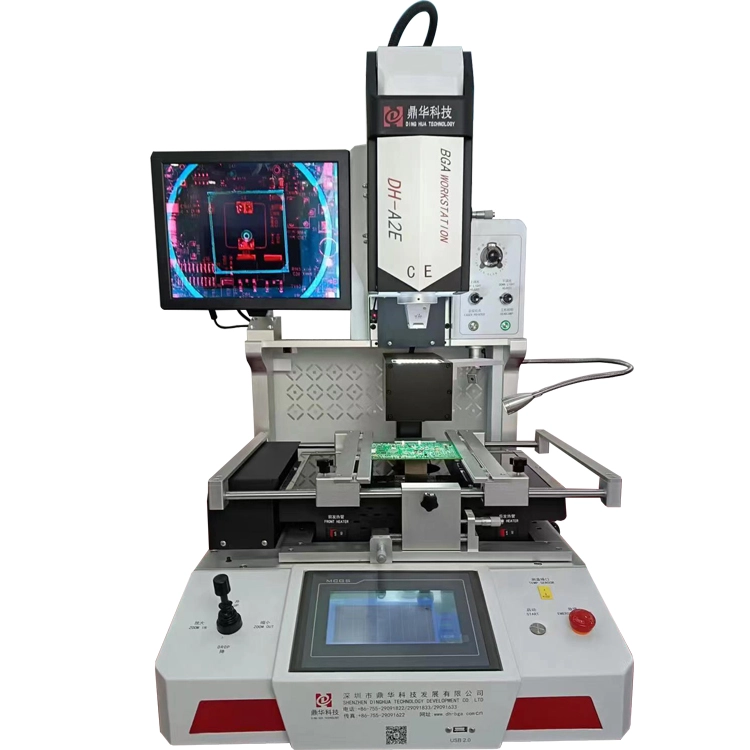
Using inappropriate tools can hinder the quality of BGA repairs. For instance, using a generic hot air tool instead of a dedicated rework station can lead to uneven heating and potential damage to surrounding components. Investing in a high-quality rework station designed specifically for BGA repairs can enhance precision and effectiveness.
Mistake 5: Ignoring Inspection Processes
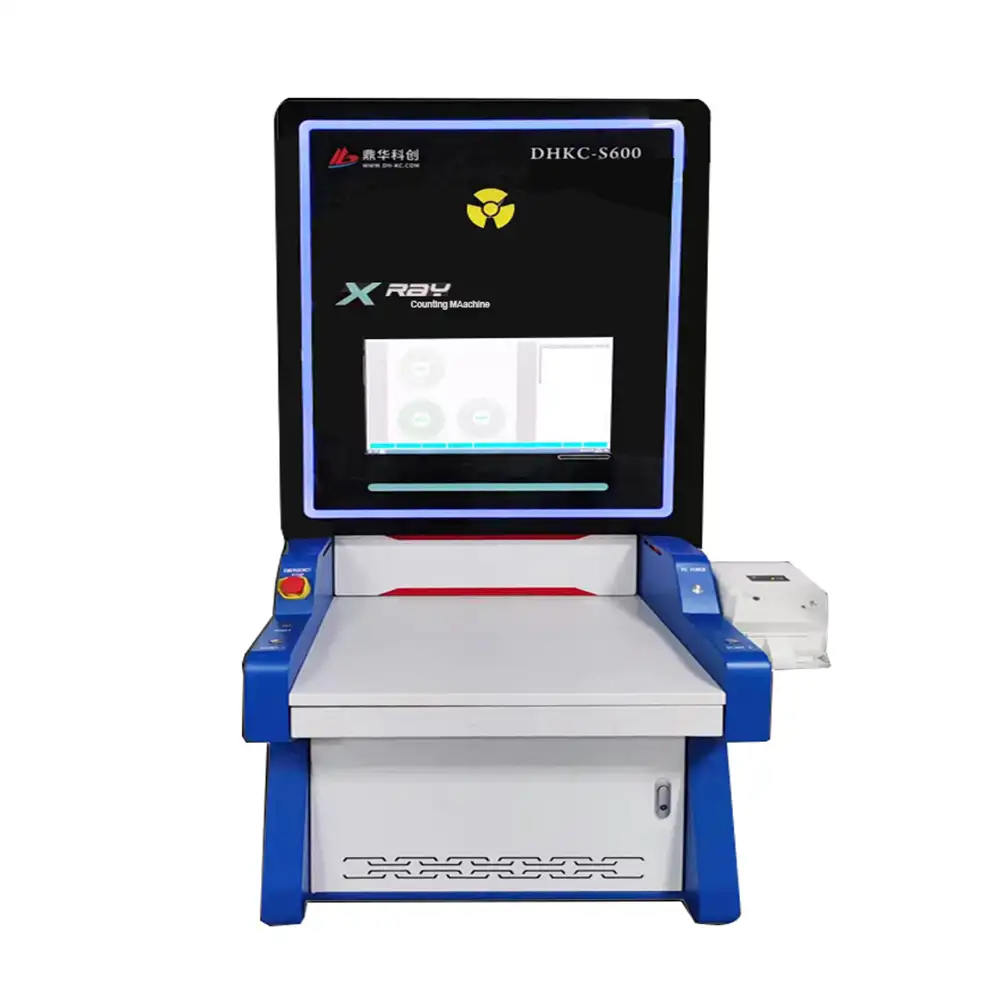
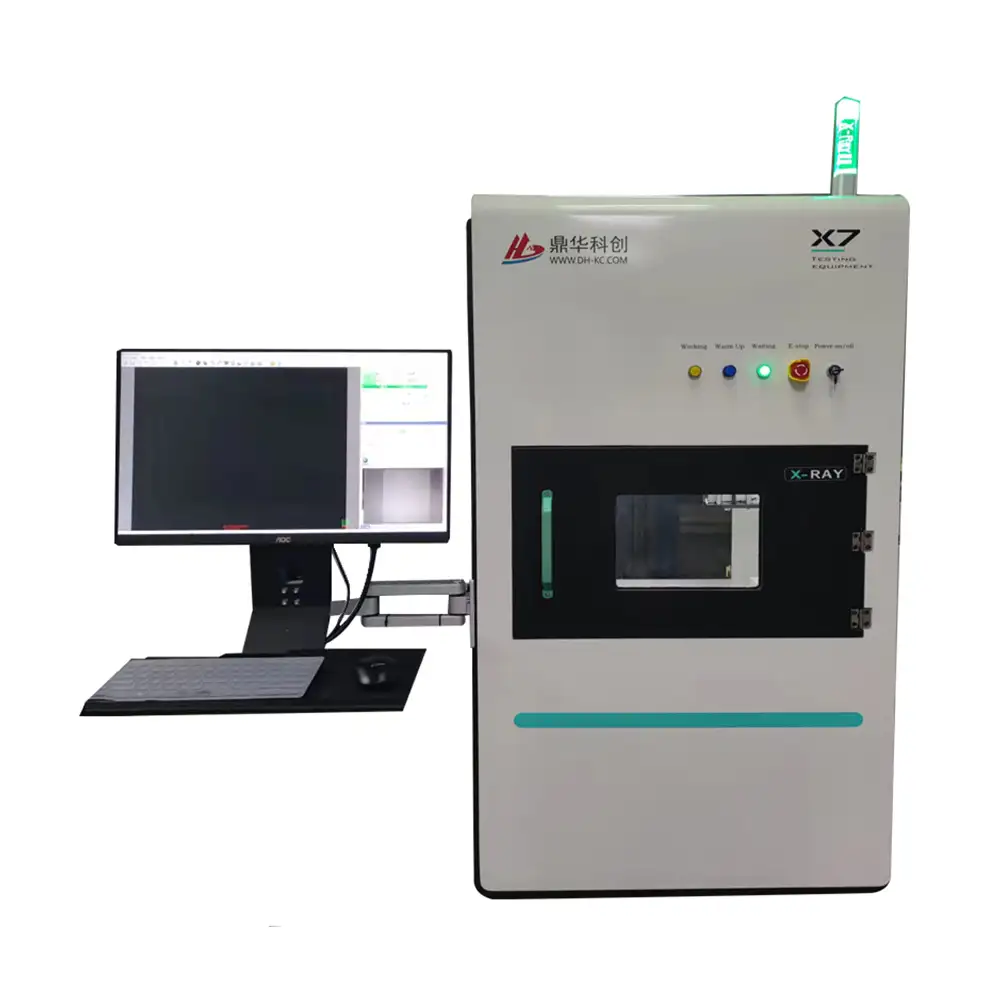
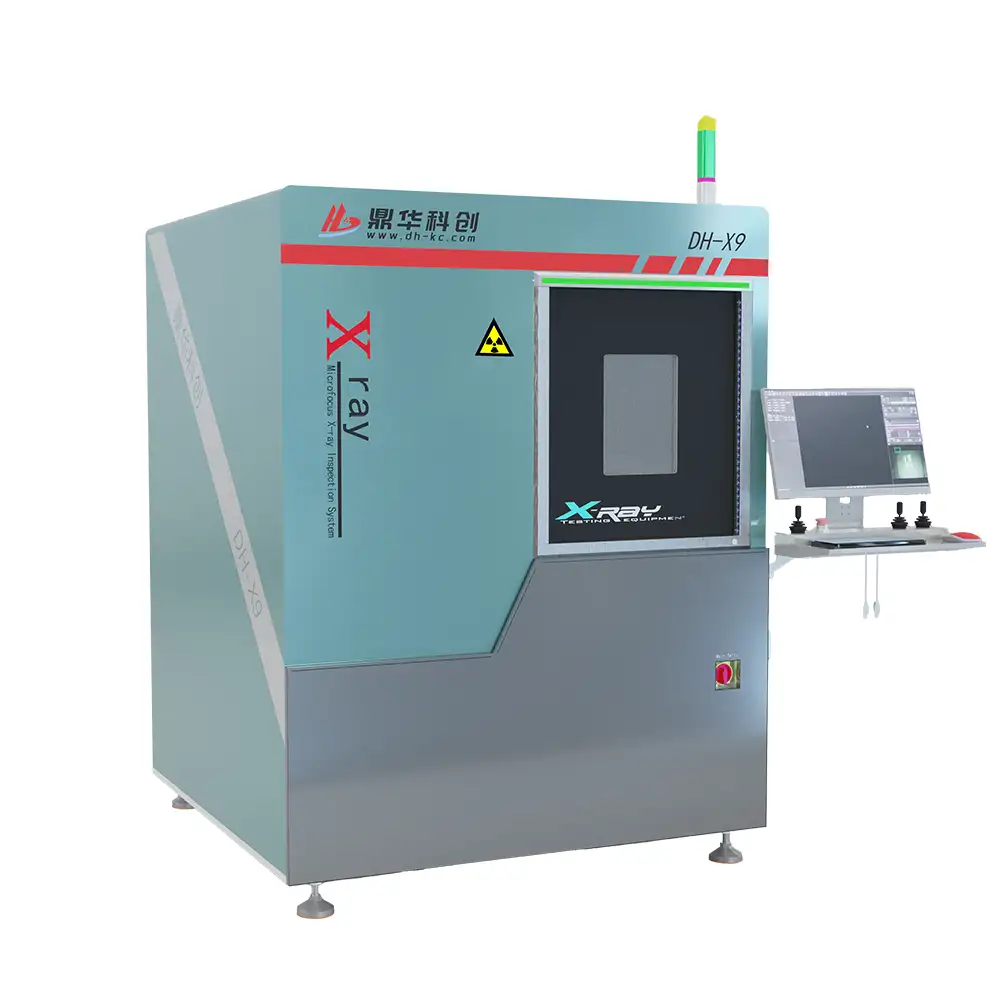
After completing repairs, overlooking the inspection phase can lead to undetected issues that may compromise the functionality of the device. Using X-ray inspection or optical inspection methods allows technicians to identify solder joint integrity and ensure all connections are secure. This step is essential for preventing future failures and ensuring the reliability of repaired devices.
Benefits of Using a Rework Station
A rework station is an essential tool for anyone involved in BGA repairs. Here are some key benefits of using a rework station:
1. Enhanced Precision and Control
Rework stations offer precise control over temperature and airflow, allowing technicians to optimize heating profiles for different components. This precision minimizes the risk of overheating or damaging sensitive parts.
2. Improved Efficiency
The streamlined process provided by rework stations can significantly improve repair efficiency. With features like programmable profiles, technicians can quickly adapt to various repair requirements, reducing downtime.
3. Versatility
Many rework stations are designed to handle different types of components beyond BGAs. This versatility makes them a valuable investment for repair technicians working on a range of electronic devices.
4. Reduced Risk of Error
By eliminating common mistakes through features like automatic temperature adjustments and precise solder paste application, rework stations help reduce the likelihood of human error during the repair process.
5. Better Quality Control
Rework stations often come equipped with inspection capabilities, allowing for immediate checks of solder joints and connections. This feature helps ensure that repairs meet high-quality standards before the device is returned to service.
How to Choose the Right Rework Station
Selecting the right rework station involves considering several factors based on your specific needs.
1. Determine Your Repair Volume
Consider how frequently you will be performing BGA repairs. For high-volume operations, investing in a more advanced, feature-rich rework station may be necessary. For occasional repairs, a more basic model might suffice.
2. Evaluate Features
Look for a rework station that offers essential features such as adjustable temperature settings, programmable profiles, and a variety of nozzles for different component sizes. Ensure it also has a good reputation for reliability and ease of use.
3. Check for Warranty and Support
A solid warranty and reliable customer support can be crucial. In case of any issues, having access to technical support ensures minimal downtime and quick resolutions.
4. Read Reviews and Testimonials
Research customer feedback and reviews to get insights into the performance and reliability of potential rework stations. This information can provide valuable perspectives from real users.
5. Budget Considerations
Set a budget that aligns with your operational needs while considering the long-term investment value of the equipment. A high-quality rework station may have a higher upfront cost but can save money in the long run through improved repair quality and efficiency.
Best Practices for Successful BGA Repair
Implementing best practices is essential for achieving successful BGA repairs. Here are several recommendations to follow:
1. Implement a Clean Workspace
Ensure that the workspace is clean and organized. A clutter-free environment reduces the risk of contamination during repairs.
2. Use Quality Components
Always use high-quality replacement components to ensure the reliability of the final product. Inferior parts can lead to recurring issues.
3. Stay Updated on Techniques
Regularly update your skills and knowledge regarding BGA repair techniques. Attend workshops, training sessions, and webinars to stay current with industry advancements.
4. Document Repair Processes
Maintain comprehensive records of repair processes for each device. This documentation can help identify patterns or recurring issues, allowing for continuous improvement in repair strategies.
5. Train Your Team
Invest in training for your technicians to ensure they understand the nuances of BGA repair and the use of rework stations. Skilled technicians will significantly reduce the chances of making common mistakes.
Frequently Asked Questions
1. What is BGA repair?
BGA repair involves the process of fixing or replacing ball grid array components on printed circuit boards (PCBs) that have malfunctioned or been damaged.
2. Why are BGA repairs difficult?
BGA repairs are challenging due to the hidden solder joints beneath the component, requiring specialized techniques and equipment for effective repair.
3. How does a rework station improve BGA repairs?
A rework station provides precise temperature control, programmable profiles, and inspection capabilities, enhancing the quality and efficiency of BGA repairs.
4. What should I look for when choosing a rework station?
Consider factors such as repair volume, essential features, warranty and support, customer reviews, and budget when selecting a rework station.
5. How often should I inspect my BGA repairs?
It’s recommended to inspect BGA repairs after completion and periodically during operation to ensure ongoing reliability and detect any potential issues early.
Conclusion
BGA repairs are intricate processes that require attention to detail and the right tools to achieve success. By understanding common mistakes and utilizing a high-quality rework station, technicians can significantly improve their repair outcomes. Adopting best practices and staying informed about industry developments will further enhance the reliability of repaired devices. Investing in the right tools and techniques is essential for delivering quality service in the competitive field of industrial equipment maintenance and repair.
Keywords:

Related News
DH Xray PCB Inspection Machine: High Precision Defect Detection for 2026 Electronics Manufacturing
This complete guide covers core features, benefits, use cases, and performance comparisons of DH Xray PCB inspection machines, based on 2026 hands-on testing data from real electronics manufacturing lines. We share practical insights to help you decide if this solution fits your quality control needs, and answer the most common questions users ask.
DH Xray PCB Inspection Machine: High Precision Non-Destructive Testing 2026
This comprehensive guide explains everything you need to know about DH Xray pcb inspection machine, including core functions, key benefits, performance comparison with traditional inspection methods, common application scenarios, and answers to frequently asked questions. We share real testing experience and 2026 industry data to help you make an informed purchasing decision for your PCB production line.
DH Xray pcb inspection machine: High Precision NDT for 2026 Electronics Quality Control
This complete guide breaks down everything you need to know about the DH Xray pcb inspection machine from Dinghua Technology, a leading global supplier of BGA rework stations and X-ray inspection equipment. We cover core capabilities, real-world performance data, common use cases, and answer top industry questions based on 2026 testing and client results.

Industrial X-Ray Machine: 2026 Complete Guide for NDT Inspection & Selection
This 2026 expert guide covers everything you need to know about Industrial X-Ray Machines, from core working principles and common industry applications to key selection criteria, maintenance best practices, and transparent 2026 pricing data. Drawing from over 15 years of hands-on manufacturing and testing experience at Dinghua Technology, we answer the most common questions and provide actionable insights to help you make a confident purchasing decision.


Contact Us
> Tel: +8615768114827 /+86-755-29091822
> Fax: +86-0755-29091622
> Email: John@dh-kc.com
> Address: 4th Floor, Building 6B, Shengzuozhi Technology Park, Xinqiao(518125),Bao'an,Shenzhen, Guangdong, China.

Copyright © 2024 Shenzhen Dinghua Innovation Technology Co., Ltd. All Rights Reserved.