Professional Equipment Manufacturer


 Esperanto
 Shqiptare
 Euskara
 Zulu
Zulu
 Latinus
 Cymraeg
 தமிழ்
தமிழ்
 Slovak
 Slovak
 Afrikaans


Understanding the Technology Behind BGA Rework Stations: A Comprehensive Technical Overview
2025-12-03
Understanding the Technology Behind BGA Rework Stations: A Comprehensive Technical Overview
Table of Contents
- What is a BGA Rework Station?
- The Importance of BGA Rework Stations in Industrial Equipment Maintenance
- Key Components of BGA Rework Stations
- How BGA Rework Stations Work: An In-Depth Look
- Types of BGA Rework Stations
- Choosing the Right BGA Rework Station for Your Needs
- Common Issues and Troubleshooting in BGA Rework
- The Future of BGA Rework Technology
- Conclusion
- FAQs
What is a BGA Rework Station?
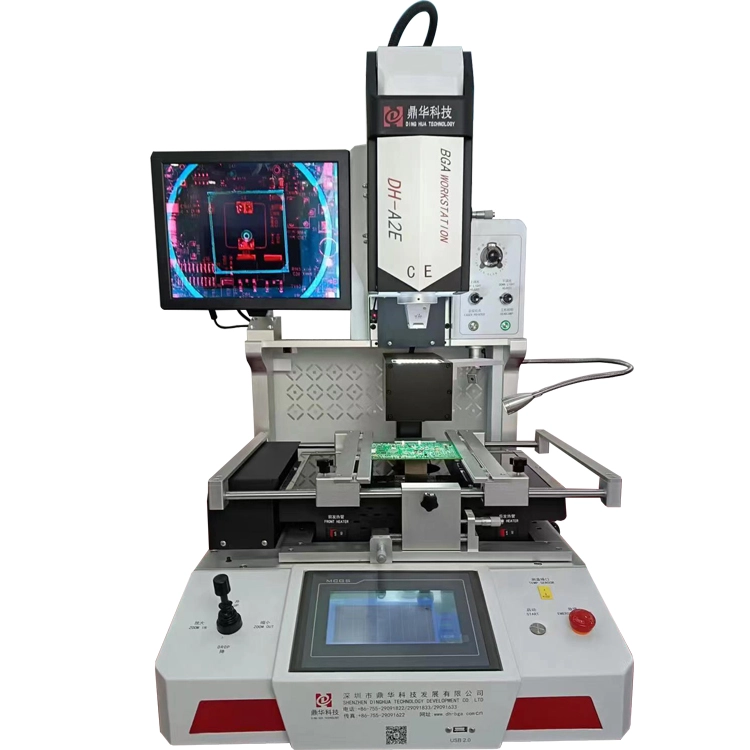
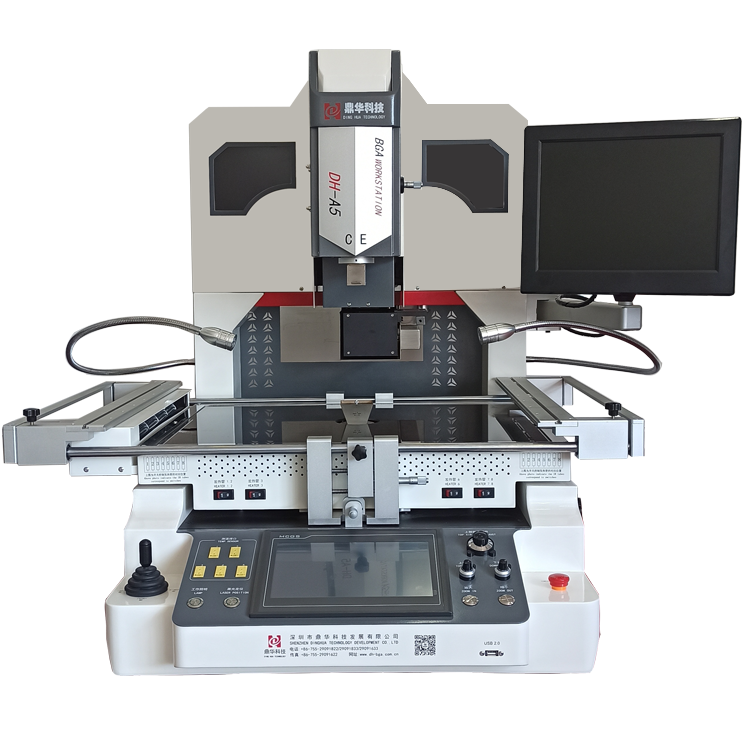
A BGA (Ball Grid Array) rework station is a specialized piece of equipment designed to repair and replace BGA components on printed circuit boards (PCBs). These stations are essential in the electronics manufacturing and repair industry, enabling technicians to execute complex soldering and desoldering processes with precision. By providing controlled heat and allowing for meticulous handling of delicate components, BGA rework stations enhance the reliability and longevity of electronic devices.
The Importance of BGA Rework Stations in Industrial Equipment Maintenance
In today's technology-driven world, the reliability of electronic equipment is critical. Industrial equipment often utilizes BGAs due to their compact design and enhanced performance. The ability to efficiently repair or replace these components directly impacts operational efficiency, product quality, and overall equipment life. BGA rework stations play a pivotal role in:
- Cost Reduction: By enabling repairs instead of replacements, companies can save significant costs on electronic components.
- Minimizing Downtime: Efficient rework processes reduce the time equipment is out of service.
- Enhancing Quality Control: Ensuring that each repair meets industry standards improves overall product quality.
Key Components of BGA Rework Stations
A BGA rework station comprises several critical components that facilitate its operation:
Heating System
The heating system is central to the rework process, employing infrared or hot air technology to evenly heat the PCB and the BGA component. This ensures that solder melts at a controlled temperature, allowing for safe removal or attachment.
Vacuum System
A vacuum system is often integrated into BGA rework stations to assist in component removal. This system helps lift BGAs from the PCB once the solder has melted, minimizing the risk of damage to surrounding components.
Control System
The control system allows technicians to set precise temperatures and timings for the rework process. Some advanced models feature programmable settings to accommodate various component types and sizes.
Optical Alignment System
To ensure accuracy during rework, many stations include an optical alignment system. This feature enables technicians to position components with utmost precision, critical for BGAs that do not have visible leads.
How BGA Rework Stations Work: An In-Depth Look
The operation of a BGA rework station involves several key steps:
Preparation
Before starting the rework process, technicians prepare the PCB by cleaning the area around the BGA component to remove any residues or contamination.
Heating
The technician activates the heating system, which targets the BGA area to melt the existing solder. This phase requires careful monitoring of temperature to prevent damage to the PCB.
Removal
Once the solder is sufficiently melted, the vacuum system is engaged to lift the BGA away from the PCB securely. This step must be executed quickly and carefully to avoid damaging adjacent components.
Placement of New BGA
If replacing the BGA, the new component is aligned using the optical alignment system and placed onto the PCB. The technician ensures that the new BGA is correctly positioned before proceeding with soldering.
Re-soldering
After placement, the heating system is activated again to reflow the solder. This step requires precise temperature control to ensure that the new BGA bonds securely to the PCB.
Types of BGA Rework Stations
There are various types of BGA rework stations available in the market, each designed to meet specific needs:
Manual BGA Rework Stations
These stations require technicians to manually control the heating and placement processes. While they can be cost-effective, they demand a high skill level and precision.
Automatic BGA Rework Stations
Automatic stations use advanced robotics and programming to control the rework process. These systems offer increased speed and precision, making them ideal for high-volume production environments.
Hybrid BGA Rework Stations
Hybrid stations combine manual and automatic features, offering flexibility. They cater to both small-scale repairs and larger production runs, making them versatile for various applications.
Choosing the Right BGA Rework Station for Your Needs
Selecting the appropriate BGA rework station involves considering several factors:
- Volume of Work: Determine whether you need a manual, automatic, or hybrid station based on the frequency of repairs.
- Budget: Assess your budget and find a station that meets your needs without compromising on quality.
- Technical Expertise: Consider the skill level of your technicians; more complex systems may require additional training.
- Specifications: Ensure the station supports the types and sizes of BGAs used in your operations.
Common Issues and Troubleshooting in BGA Rework
Working with BGA rework stations can present challenges. Here are common issues technicians may encounter along with troubleshooting tips:
Insufficient Heating
If a BGA does not reflow properly, check the heating system settings and ensure that the station is calibrated correctly. Inconsistent temperatures can lead to poor solder joints.
Component Misalignment
If components are not aligning correctly during placement, verify that the optical alignment system is functioning properly. Cleaning lenses and recalibrating may help.
Residual Solder Issues
Residual solder can affect the quality of new connections. Ensure thorough cleaning of the PCB before rework to minimize issues with old solder.
The Future of BGA Rework Technology
The BGA rework industry is continuously evolving, with significant advancements on the horizon:
- Enhanced Automation: The integration of AI and machine learning will improve precision and efficiency in the rework process.
- Smart Technology: Future stations may feature IoT capabilities, enabling real-time monitoring and diagnostics.
- Improved Materials: The development of better solder materials will enhance the reliability and ease of rework processes.
Conclusion
BGA rework stations are indispensable tools in the world of industrial equipment repair and installation. Understanding the technology behind these sophisticated devices helps technicians maximize their efficiency and effectiveness in electronic assembly processes. As technology continues to evolve, BGA rework stations will undoubtedly become even more advanced, further enhancing their role in the electronics industry. Investing in the right BGA rework station is not just a choice; it’s a commitment to quality, precision, and the longevity of electronic equipment.
FAQs
1. What types of components can be repaired using BGA rework stations?
BGA rework stations are primarily designed for BGAs but can also be used for other surface-mounted devices, including CSPs (Chip Scale Packages) and QFNs (Quad Flat No-leads).
2. How do I maintain my BGA rework station?
Regular maintenance involves cleaning the heating elements, ensuring calibration accuracy, and checking for software updates if applicable. Always refer to the manufacturer's guidelines.
3. Can I use a BGA rework station for other soldering tasks?
While BGA rework stations are specialized, they can also handle some general soldering tasks, particularly those involving surface-mount components. However, their primary design is for BGA repairs.
4. What safety precautions should I take while using a BGA rework station?
Always wear appropriate personal protective equipment (PPE), ensure proper ventilation, and handle hot components with care to avoid burns or injuries.
5. How can I train my staff to use a BGA rework station effectively?
Consider providing formal training sessions, utilizing online resources, and encouraging hands-on practice. Familiarizing staff with the equipment's manual and safety protocols is crucial for effective operation.
Keywords:

Related News
DH Xray PCB Inspection Machine: High Precision Defect Detection for 2026 Electronics Manufacturing
This complete guide covers core features, benefits, use cases, and performance comparisons of DH Xray PCB inspection machines, based on 2026 hands-on testing data from real electronics manufacturing lines. We share practical insights to help you decide if this solution fits your quality control needs, and answer the most common questions users ask.
DH Xray PCB Inspection Machine: High Precision Non-Destructive Testing 2026
This comprehensive guide explains everything you need to know about DH Xray pcb inspection machine, including core functions, key benefits, performance comparison with traditional inspection methods, common application scenarios, and answers to frequently asked questions. We share real testing experience and 2026 industry data to help you make an informed purchasing decision for your PCB production line.
DH Xray pcb inspection machine: High Precision NDT for 2026 Electronics Quality Control
This complete guide breaks down everything you need to know about the DH Xray pcb inspection machine from Dinghua Technology, a leading global supplier of BGA rework stations and X-ray inspection equipment. We cover core capabilities, real-world performance data, common use cases, and answer top industry questions based on 2026 testing and client results.

Industrial X-Ray Machine: 2026 Complete Guide for NDT Inspection & Selection
This 2026 expert guide covers everything you need to know about Industrial X-Ray Machines, from core working principles and common industry applications to key selection criteria, maintenance best practices, and transparent 2026 pricing data. Drawing from over 15 years of hands-on manufacturing and testing experience at Dinghua Technology, we answer the most common questions and provide actionable insights to help you make a confident purchasing decision.


Contact Us
> Tel: +8615768114827 /+86-755-29091822
> Fax: +86-0755-29091622
> Email: John@dh-kc.com
> Address: 4th Floor, Building 6B, Shengzuozhi Technology Park, Xinqiao(518125),Bao'an,Shenzhen, Guangdong, China.

Copyright © 2024 Shenzhen Dinghua Innovation Technology Co., Ltd. All Rights Reserved.