Professional Equipment Manufacturer


 Esperanto
 Shqiptare
 Euskara
 Zulu
Zulu
 Latinus
 Cymraeg
 தமிழ்
தமிழ்
 Slovak
 Slovak
 Afrikaans


The Future of BGA Rework Machines in Industrial Maintenance
2025-11-19
The Future of BGA Rework Machines in Industrial Maintenance
In the ever-evolving world of industrial maintenance, BGA (Ball Grid Array) rework machines are becoming increasingly vital. As manufacturers strive to enhance productivity and reduce downtime, the role of these machines continues to expand, making it essential for industry professionals to stay abreast of the latest advancements and practices. This article delves into the future of BGA rework machines, their current impact on industrial maintenance, and the innovations shaping their evolution.
Table of Contents
- Understanding BGA Rework Machines
- Importance of BGA Rework Machines in Industrial Maintenance
- Technological Advancements in BGA Rework Machines
- Future Trends in BGA Rework Technology
- Benefits of Modern BGA Rework Machines
- Challenges Faced by BGA Rework Machines
- Best Practices for Implementing BGA Rework Machines
- Frequently Asked Questions
- Conclusion
Understanding BGA Rework Machines
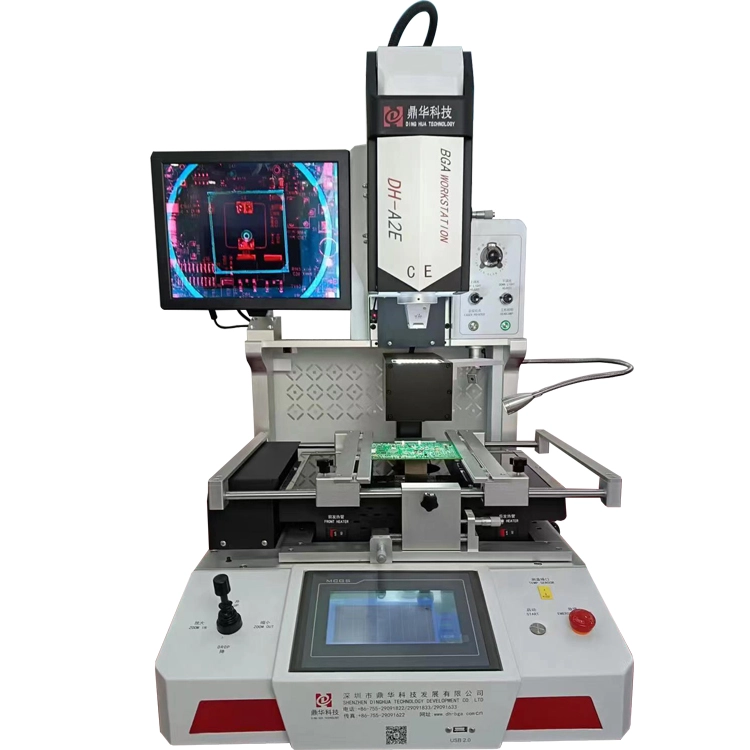
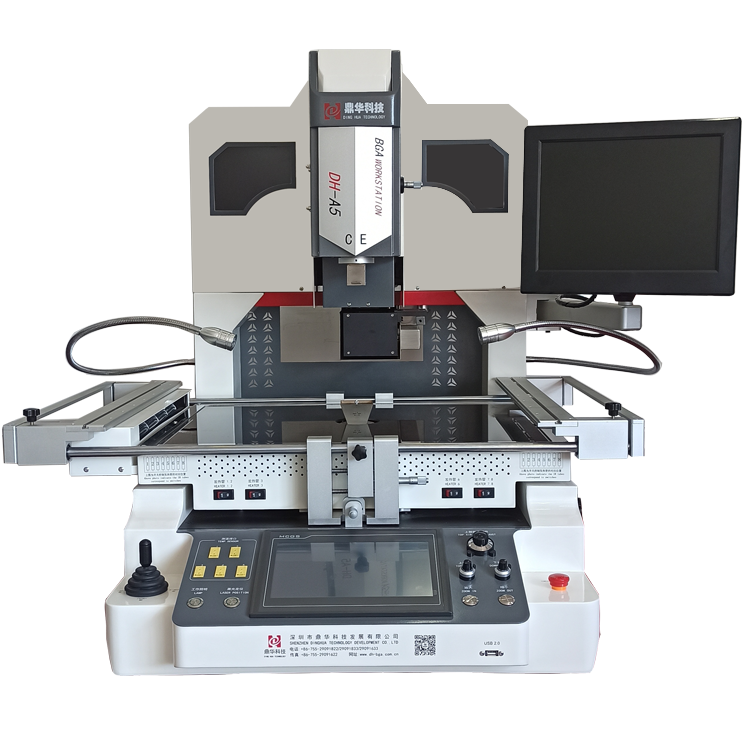
BGA rework machines are specialized devices designed for the repair and replacement of BGA components on printed circuit boards (PCBs). These machines utilize precision heating and cooling techniques to ensure that the delicate BGA components are reattached without damaging the surrounding circuitry. With the increasing complexity of electronic devices, BGA rework machines have become essential in ensuring the reliability and longevity of industrial equipment.
How Do BGA Rework Machines Work?
The operation of BGA rework machines typically involves several key steps:
- Preheating: The PCB is preheated to a specific temperature to reduce the thermal shock during the soldering process.
- Placement: The new BGA component is accurately placed on the PCB using automated vision systems.
- Soldering: Controlled heating elements are used to melt the solder balls, ensuring a reliable connection between the component and PCB.
- Cooling: The PCB is gradually cooled to solidify the solder joints, minimizing the risk of damage.
Importance of BGA Rework Machines in Industrial Maintenance
As industries increasingly rely on sophisticated electronic systems, the significance of BGA rework machines cannot be overstated. Their contribution to industrial maintenance is multifaceted:
Enhanced Reliability and Performance
By enabling precise repairs, BGA rework machines help maintain the operational efficiency of industrial equipment. This reliability translates into reduced downtime and improved productivity.
Cost-Effectiveness
Repairing rather than replacing entire PCBs can significantly cut costs. BGA rework machines facilitate this by allowing maintenance teams to address specific failures without incurring the expense of new components.
Environmental Sustainability
In an era where sustainability is paramount, the ability to repair rather than replace aligns with green initiatives. BGA rework machines contribute to waste reduction and resource conservation in industrial settings.
Technological Advancements in BGA Rework Machines
The field of BGA rework technology is rapidly advancing, with innovations aimed at improving efficiency, accuracy, and user-friendliness. Some notable developments include:
Smart Technology Integration
Modern BGA rework machines are increasingly integrating smart technology, including IoT capabilities, to enhance monitoring and control. This connectivity allows for real-time data collection and analysis, enabling predictive maintenance strategies.
Improved Heating Technology
The introduction of advanced heating technologies, such as infrared and laser applications, has revolutionized BGA rework processes. These methods offer greater precision and control over temperature management, which is crucial for avoiding thermal damage to sensitive components.
Automation and Robotics
Automation is transforming the landscape of BGA rework machines. Robotic arms equipped with sophisticated vision systems can now perform tasks with greater speed and accuracy, reducing human error and increasing throughput.
Future Trends in BGA Rework Technology
As BGA rework machines continue to evolve, several trends are anticipated to shape their future:
Increased Automation
The trend toward greater automation in industrial maintenance is likely to continue. Future BGA rework machines will feature enhanced robotic capabilities, enabling them to operate independently and make real-time adjustments.
Advanced User Interfaces
Future machines will likely incorporate more intuitive user interfaces, making them accessible to operators with varying skill levels. Touchscreen controls and augmented reality features may become standard, simplifying the training process.
Greater Focus on Data Analytics
With the rise of Industry 4.0, data analytics will play a crucial role in the operation of BGA rework machines. Future models are expected to leverage big data to optimize workflows and predict maintenance needs.
Benefits of Modern BGA Rework Machines
Investing in modern BGA rework machines offers numerous benefits to industrial maintenance teams:
Increased Efficiency
Advanced machines are designed to perform tasks faster and with higher precision, ultimately leading to an increase in overall efficiency in maintenance operations.
Improved Quality Control
With state-of-the-art technology, modern BGA rework machines provide better quality control through features that monitor and adjust processes in real time, ensuring that repairs meet the highest standards.
Flexible Applications
Modern machines are often designed to handle a variety of BGA component sizes and types, allowing for greater flexibility in industrial maintenance applications.
Challenges Faced by BGA Rework Machines
Despite the advantages, BGA rework machines also face several challenges:
High Initial Investment
The initial cost of acquiring advanced BGA rework machines can be prohibitively high for some businesses. Organizations must weigh the potential long-term savings against the upfront expense.
Skill Gap in Workforce
As technology evolves, there is often a skill gap in the workforce. Proper training is essential to ensure that operators can effectively use and maintain advanced BGA rework machines.
Technological Obsolescence
Rapid technological advancements can lead to concerns about obsolescence. Companies must consider the longevity of their investment and the potential need for future upgrades.
Best Practices for Implementing BGA Rework Machines
To successfully integrate BGA rework machines into industrial maintenance processes, consider the following best practices:
Conduct a Needs Assessment
Before investing in BGA rework machines, conduct a thorough assessment of your maintenance needs and capabilities. Identify the specific requirements that the machines must meet.
Invest in Training
Ensure that your maintenance team receives adequate training on the operation and maintenance of the machines. This investment is crucial for maximizing the benefits of the technology.
Monitor Performance Metrics
Regularly track and analyze performance metrics to evaluate the effectiveness of BGA rework machines. Use this data to identify areas for improvement and optimize maintenance workflows.
Frequently Asked Questions
What is a BGA rework machine?
A BGA rework machine is a specialized tool used to repair or replace BGA components on printed circuit boards (PCBs) without damaging the surrounding circuitry.
How do BGA rework machines improve industrial maintenance?
They enhance reliability, reduce costs, and support sustainability by allowing for precise repairs instead of total replacements of electronic components.
What are the latest advancements in BGA rework technology?
Recent advancements include smart technology integration, improved heating methods, and increased automation, leading to greater precision and efficiency.
What challenges do BGA rework machines face?
Challenges include high initial investment costs, skill gaps in the workforce, and concerns over technological obsolescence.
What best practices should be followed when implementing BGA rework machines?
Best practices include conducting a needs assessment, investing in training, and monitoring performance metrics to optimize use and efficiency.
Conclusion
The future of BGA rework machines in industrial maintenance is promising, with ongoing technological advancements that enhance efficiency, reliability, and cost-effectiveness. As industries continue to adopt these machines, it is vital to stay updated with trends, challenges, and best practices to maximize their benefits. Investing in high-quality BGA rework technology and ensuring proper training for operators will prepare organizations to meet the demands of modern industrial maintenance, leading to improved operational performance and sustainability.
Keywords:

Related News
DH Xray PCB Inspection Machine: High Precision Defect Detection for 2026 Electronics Manufacturing
This complete guide covers core features, benefits, use cases, and performance comparisons of DH Xray PCB inspection machines, based on 2026 hands-on testing data from real electronics manufacturing lines. We share practical insights to help you decide if this solution fits your quality control needs, and answer the most common questions users ask.
DH Xray PCB Inspection Machine: High Precision Non-Destructive Testing 2026
This comprehensive guide explains everything you need to know about DH Xray pcb inspection machine, including core functions, key benefits, performance comparison with traditional inspection methods, common application scenarios, and answers to frequently asked questions. We share real testing experience and 2026 industry data to help you make an informed purchasing decision for your PCB production line.
DH Xray pcb inspection machine: High Precision NDT for 2026 Electronics Quality Control
This complete guide breaks down everything you need to know about the DH Xray pcb inspection machine from Dinghua Technology, a leading global supplier of BGA rework stations and X-ray inspection equipment. We cover core capabilities, real-world performance data, common use cases, and answer top industry questions based on 2026 testing and client results.

Industrial X-Ray Machine: 2026 Complete Guide for NDT Inspection & Selection
This 2026 expert guide covers everything you need to know about Industrial X-Ray Machines, from core working principles and common industry applications to key selection criteria, maintenance best practices, and transparent 2026 pricing data. Drawing from over 15 years of hands-on manufacturing and testing experience at Dinghua Technology, we answer the most common questions and provide actionable insights to help you make a confident purchasing decision.


Contact Us
> Tel: +8615768114827 /+86-755-29091822
> Fax: +86-0755-29091622
> Email: John@dh-kc.com
> Address: 4th Floor, Building 6B, Shengzuozhi Technology Park, Xinqiao(518125),Bao'an,Shenzhen, Guangdong, China.

Copyright © 2024 Shenzhen Dinghua Innovation Technology Co., Ltd. All Rights Reserved.