Professional Equipment Manufacturer


 Esperanto
 Shqiptare
 Euskara
 Zulu
Zulu
 Latinus
 Cymraeg
 தமிழ்
தமிழ்
 Slovak
 Slovak
 Afrikaans


Understanding the Technology Behind BGA Soldering Stations: A Comprehensive Guide
2024-12-31
Understanding the Technology Behind BGA Soldering Stations
Table of Contents
- 1. Introduction to BGA Technology
- 2. What is BGA Soldering?
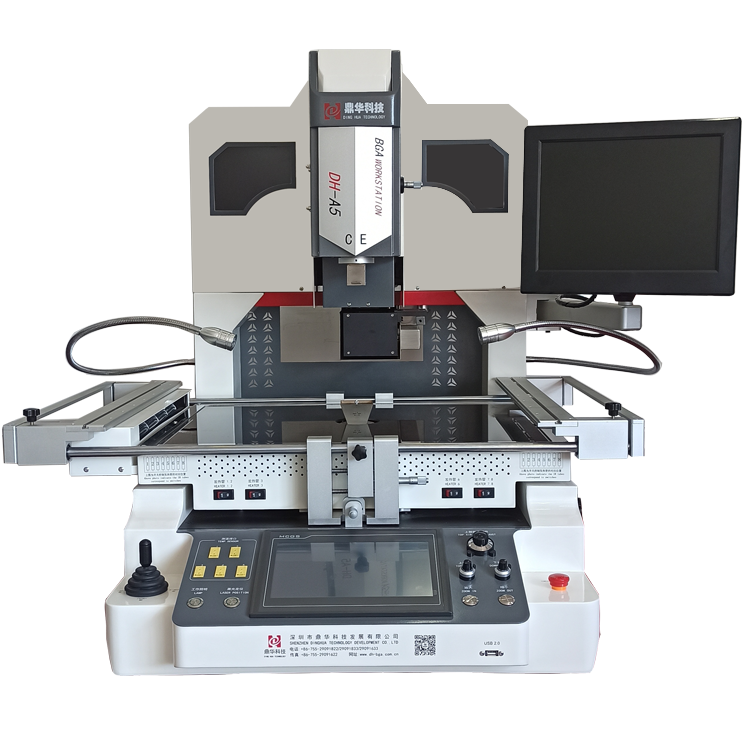
- 3. Key Components of BGA Soldering Stations
- 4. How BGA Soldering Stations Work
- 5. Applications of BGA Soldering Stations
- 6. Benefits of Using BGA Soldering Stations
- 7. Choosing the Right BGA Soldering Station
- 8. Maintenance Tips for BGA Soldering Stations
- 9. FAQs About BGA Soldering Stations
- 10. Conclusion
1. Introduction to BGA Technology
BGA (Ball Grid Array) technology has revolutionized the way electronic components are soldered to printed circuit boards (PCBs). Unlike traditional soldering techniques, BGA soldering provides more reliable connections, especially for high-density applications. In this article, we will delve into the technology behind BGA soldering stations, exploring their key components, functionality, and applications in the industry.
2. What is BGA Soldering?
BGA soldering is a method used to attach surface-mount devices (SMDs) to PCBs. This technique employs solder balls arranged in a grid pattern on the underside of the chip, allowing for a more efficient heat transfer and electrical connection. The soldering process typically involves a reflow oven or a hot air rework station, which melts the solder balls, creating strong bonds between the chip and the PCB.
2.1 Advantages of BGA Soldering
The primary advantages of BGA soldering include:
- **Improved thermal performance**: The larger surface area of the solder balls allows for better heat dissipation.
- **Reduced inductance**: The connection method minimizes inductance, which is crucial for high-frequency applications.
- **Compact design**: BGAs take up less space on the PCB, allowing for more densely packed components.
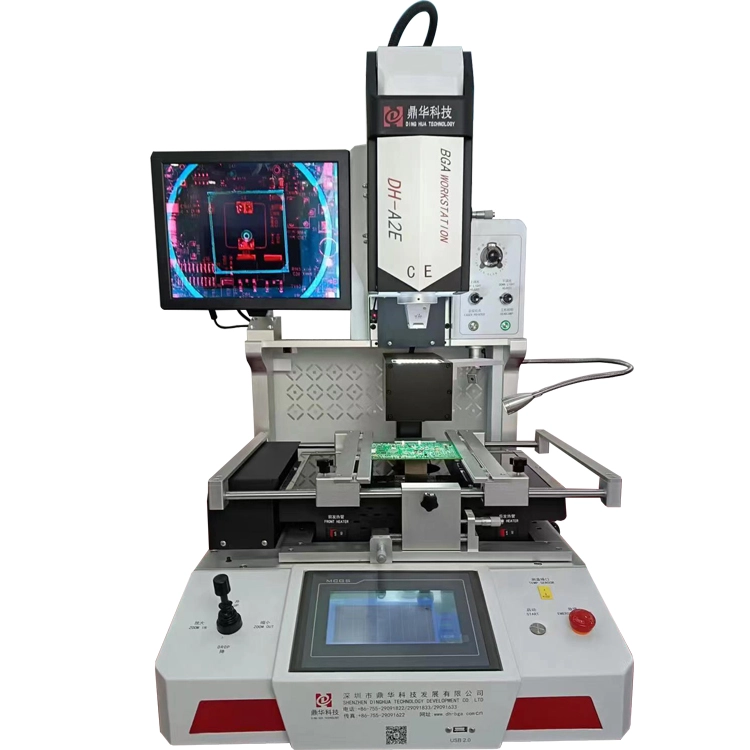
3. Key Components of BGA Soldering Stations
A BGA soldering station consists of several critical components that work in harmony to achieve optimal soldering results. Understanding these components is essential for mastering the BGA soldering process.
3.1 Hot Air Rework Tool
The hot air rework tool is a handheld device that blows heated air onto the BGA component, allowing for precise control over the reflow process. This tool is indispensable for both soldering and desoldering BGAs.
3.2 Infrared Heating Elements
Infrared heating uses radiation to heat the BGA component evenly. This method ensures that the solder balls are melted without overheating the surrounding components.
3.3 Solder Paste
Solder paste contains a mixture of powdered solder and flux. When applied to the PCB, it acts as a medium for the solder balls, ensuring a strong connection.
3.4 Solder Balls
Solder balls are typically made from a tin-lead or lead-free alloy. They serve as the conductive medium that connects the BGA chip to the PCB.
3.5 PCB Holders and Fixtures
These tools secure the PCB in place during the soldering process, preventing movement and misalignment that could lead to faulty connections.
4. How BGA Soldering Stations Work
The operation of a BGA soldering station involves several key steps that ensure a successful soldering process.
4.1 Preparing the PCB and Component
Before soldering, it is essential to clean the PCB and BGA component thoroughly. This step prevents contamination that could compromise the solder joint.
4.2 Applying Solder Paste
A precise amount of solder paste is applied to the PCB pads where the BGA component will be placed. This paste is crucial for creating strong and reliable solder joints.
4.3 Positioning the BGA Component
The BGA component is carefully aligned and placed over the solder paste. Proper alignment is vital to ensure that the solder balls connect with the correct pads.
4.4 Heating and Reflow
The station uses a hot air or infrared heating method to melt the solder balls, allowing them to flow and form connections with the PCB pads. This reflow process typically occurs in stages, with the temperature gradually increasing to avoid damage to sensitive components.
4.5 Cooling and Inspection
After reflow, the assembly is allowed to cool, solidifying the solder joints. Once cooled, a thorough inspection is conducted to ensure the quality of the solder connections.
5. Applications of BGA Soldering Stations
BGA soldering stations are widely used in various industries due to their efficiency and reliability. Some common applications include:
5.1 Consumer Electronics
From smartphones to laptops, BGA soldering is integral in the production of high-performance consumer electronics.
5.2 Automotive Industry
Modern vehicles rely heavily on electronic components, making BGA soldering essential for automotive manufacturing.
5.3 Telecommunications
High-density circuit boards used in networking equipment often utilize BGA technology for its space-saving and performance benefits.
5.4 Aerospace and Defense
In these sectors, reliability is paramount. BGA soldering provides the robust connections required for critical applications.
6. Benefits of Using BGA Soldering Stations
The advantages of utilizing BGA soldering stations extend beyond mere convenience:
6.1 Enhanced Reliability
BGA soldering produces strong, reliable connections that minimize the risk of failure in electronic devices.
6.2 Space Efficiency
The compact nature of BGA components allows for more efficient use of space on PCBs, accommodating more functionality in smaller devices.
6.3 High Performance
BGA soldering supports high-speed data transfer and improved thermal performance, which are increasingly vital in modern applications.
7. Choosing the Right BGA Soldering Station
When selecting a BGA soldering station, several factors should be considered to ensure you make the best choice for your needs:
7.1 Power and Temperature Control
Look for a station with adjustable temperature settings and sufficient power to handle various soldering tasks.
7.2 Versatility of Tools
Choose a station that offers a range of tools, including hot air rework, infrared heating, and efficient cooling systems.
7.3 Brand Reputation
Consider established brands known for their quality and reliability, as this can significantly impact the performance of your soldering station.
8. Maintenance Tips for BGA Soldering Stations
Proper maintenance of your BGA soldering station is crucial for ensuring its longevity and optimal performance:
8.1 Regular Cleaning
Frequent cleaning of the hot air nozzles and heating elements prevents buildup that can affect performance.
8.2 Calibration
Regularly calibrate your soldering station to ensure accurate temperature settings, which is essential for consistent soldering results.
8.3 Component Inspection
Regularly inspect all components for wear and tear, replacing any damaged parts promptly to maintain efficiency.
9. FAQs About BGA Soldering Stations
9.1 What is the difference between BGA and other soldering techniques?
BGA technology uses solder balls for connections, allowing for a more reliable and compact design compared to traditional soldering methods.
9.2 Can I use a regular soldering iron for BGA soldering?
While a regular soldering iron may handle basic SMD soldering, it lacks the precision and control needed for BGA applications.
9.3 How do I know if my BGA connections are good?
Conduct visual inspections and use testing equipment like multimeters to check for continuity and proper connections.
9.4 Are there lead-free BGA soldering options?
Yes, there are lead-free solder balls available that meet environmental regulations, providing safe alternatives for BGA soldering.
9.5 How can I improve my BGA soldering skills?
Practice is key. Engage in hands-on training, watch instructional videos, and participate in workshops to enhance your skills.
10. Conclusion
BGA soldering stations play a vital role in modern electronics manufacturing, offering enhanced reliability and efficiency. Understanding the technology behind these stations will not only improve your soldering skills but also provide insights into the electronics industry as a whole. By investing in quality equipment, practicing regularly, and maintaining your tools, you can achieve excellent results in BGA soldering, contributing to the success of your projects and professional endeavors.
Keywords:

Related News
DH Xray PCB Inspection Machine: High Precision Defect Detection for 2026 Electronics Manufacturing
This complete guide covers core features, benefits, use cases, and performance comparisons of DH Xray PCB inspection machines, based on 2026 hands-on testing data from real electronics manufacturing lines. We share practical insights to help you decide if this solution fits your quality control needs, and answer the most common questions users ask.
DH Xray PCB Inspection Machine: High Precision Non-Destructive Testing 2026
This comprehensive guide explains everything you need to know about DH Xray pcb inspection machine, including core functions, key benefits, performance comparison with traditional inspection methods, common application scenarios, and answers to frequently asked questions. We share real testing experience and 2026 industry data to help you make an informed purchasing decision for your PCB production line.
DH Xray pcb inspection machine: High Precision NDT for 2026 Electronics Quality Control
This complete guide breaks down everything you need to know about the DH Xray pcb inspection machine from Dinghua Technology, a leading global supplier of BGA rework stations and X-ray inspection equipment. We cover core capabilities, real-world performance data, common use cases, and answer top industry questions based on 2026 testing and client results.

Industrial X-Ray Machine: 2026 Complete Guide for NDT Inspection & Selection
This 2026 expert guide covers everything you need to know about Industrial X-Ray Machines, from core working principles and common industry applications to key selection criteria, maintenance best practices, and transparent 2026 pricing data. Drawing from over 15 years of hands-on manufacturing and testing experience at Dinghua Technology, we answer the most common questions and provide actionable insights to help you make a confident purchasing decision.


Contact Us
> Tel: +8615768114827 /+86-755-29091822
> Fax: +86-0755-29091622
> Email: John@dh-kc.com
> Address: 4th Floor, Building 6B, Shengzuozhi Technology Park, Xinqiao(518125),Bao'an,Shenzhen, Guangdong, China.

Copyright © 2024 Shenzhen Dinghua Innovation Technology Co., Ltd. All Rights Reserved.