Professional Equipment Manufacturer


 Esperanto
 Shqiptare
 Euskara
 Zulu
Zulu
 Latinus
 Cymraeg
 தமிழ்
தமிழ்
 Slovak
 Slovak
 Afrikaans


Unlocking the Secrets of Effective BGA Repair Stations
2024-12-23
Unlocking the Secrets of Effective BGA Repair Stations
Table of Contents
- Introduction to BGA Repair Stations
- Understanding BGA Technology
- Why BGA Repair is Critical
- Setting Up Your BGA Repair Station
- Essential Tools for BGA Repair
- The BGA Repair Process Explained
- Common Challenges in BGA Repair
- Best Practices for Effective BGA Repair
- Conclusion
- Frequently Asked Questions about BGA Repair
Introduction to BGA Repair Stations
Ball Grid Array (BGA) technology has transformed the landscape of electronics manufacturing and repair. BGA packages, known for their high density and performance, require specialized knowledge and equipment for effective repair. In this guide, we delve into the intricacies of BGA repair stations, offering insights that can enhance your repair operations, improve efficiency, and ensure high-quality results.
Understanding BGA Technology
BGA technology involves mounting solder balls on the base of a chip, facilitating connections with the PCB. This design allows for greater circuit density and improved thermal performance. Understanding the fundamentals of BGA technology is crucial for any technician or engineer tasked with maintenance and repairs.
How BGA Works
The BGA structure includes an array of solder balls that connect the chip to the PCB. When heat is applied during soldering, the balls melt, creating a strong mechanical and electrical connection. This method contrasts with traditional pin-based connections, offering numerous advantages, including enhanced performance and reduced size.
Advantages of BGA Technology
- Higher density of connections
- Improved electrical performance
- Better thermal management
- Reduced space requirements on PCBs
Why BGA Repair is Critical
With the increasing adoption of BGA technology in various electronic devices, the need for effective BGA repair stations has never been more vital. BGA failures can lead to significant downtimes and costly replacements. Understanding the importance of BGA repair is essential for maintaining operational efficiency.
The Cost of Ignoring BGA Repairs
Neglecting BGA repairs can result in catastrophic failures, leading to expensive replacements and potential loss of customer trust. A well-maintained BGA repair station can not only save costs but also extend the life of electronic equipment.
Setting Up Your BGA Repair Station
Establishing a proficient BGA repair station involves careful consideration of location, equipment, and workflow. A well-organized station promotes efficiency and improves the quality of repairs.
Choosing the Right Location
When setting up a BGA repair station, select a clean, well-ventilated area that minimizes dust and contamination. Proper lighting is essential for precision work, and sufficient space allows for easy movement and equipment accessibility.
Designing an Efficient Workflow
Implement a logical workflow in your BGA repair station. Clearly define areas for inspection, repair, and testing to prevent confusion and errors. Streamlining processes can significantly enhance productivity.
Essential Tools for BGA Repair
Having the right tools is fundamental to successful BGA repairs. Below are the essential tools every BGA repair station should possess:
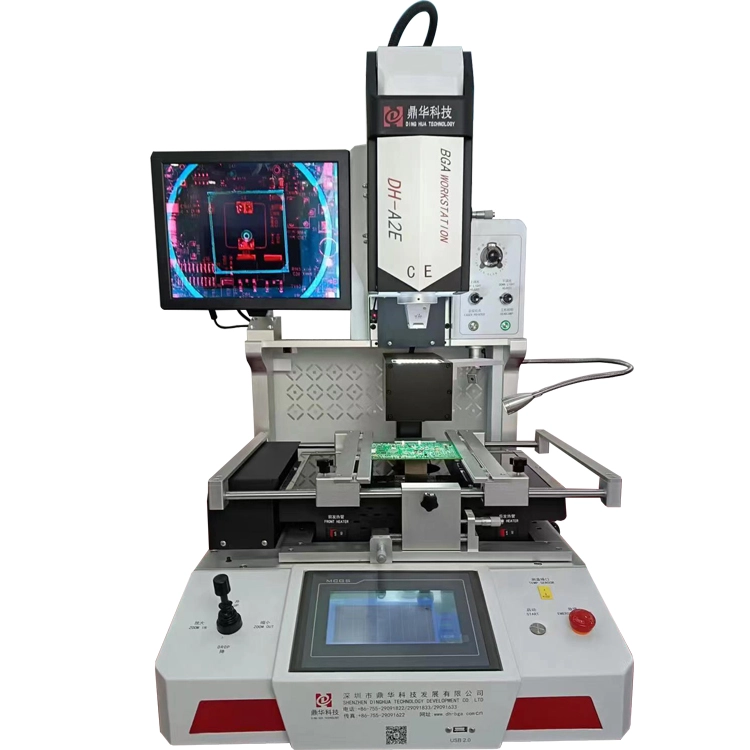
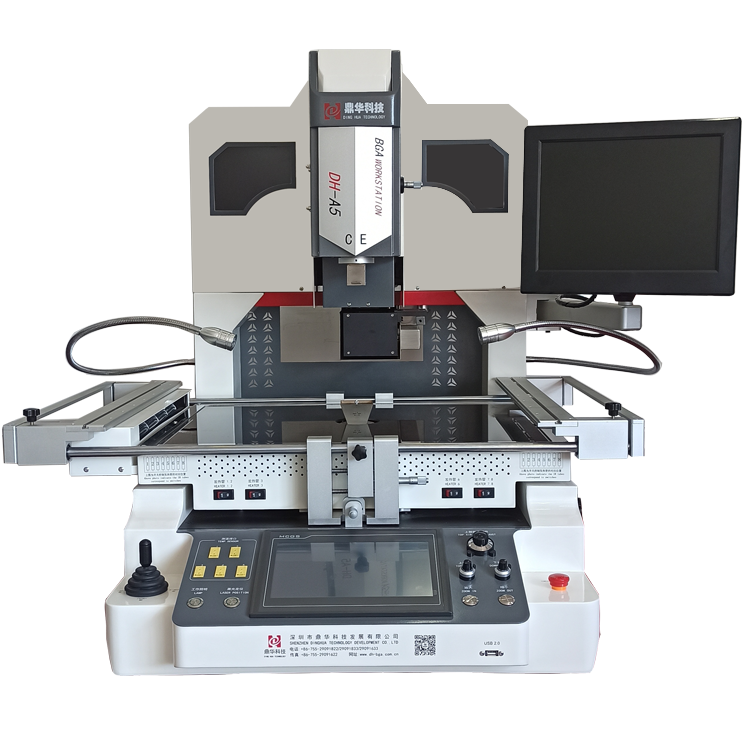
Rework Station
A specialized rework station is essential for BGA repairs. Look for features like precise temperature control, adjustable airflow, and compatibility with various BGA sizes.
Infrared Preheater
An infrared preheater helps to heat the PCB evenly before the soldering process, preventing thermal shock and minimizing damage to surrounding components.
Soldering Equipment
High-quality soldering equipment, including soldering irons and solder paste, is crucial for effective BGA repairs. Ensure compatibility with lead-free and traditional solder types.
Inspection Tools
Inspection tools, such as microscopes and thermal cameras, are vital for evaluating the quality of solder joints and identifying potential issues.
Cleaning Station
A cleaning station is necessary to remove flux residues and contaminants from PCBs after repairs. Use ultrasonic cleaners for thorough cleaning.
The BGA Repair Process Explained
The BGA repair process involves several steps, each critical to ensuring a successful repair. Here’s a detailed look at the process:
Step 1: Diagnosis
Start by diagnosing the issue with the BGA connection. Use inspection tools to identify cracks, cold solder joints, or other defects.
Step 2: Desoldering the BGA
Desoldering requires careful application of heat to melt the solder balls. Use an appropriate rework station and follow safety protocols to avoid damaging the PCB.
Step 3: Cleaning the PCB
Once the BGA is removed, clean the PCB thoroughly to prepare for the new BGA. Use a cleaning station to eliminate any residual solder and flux.
Step 4: Preparing the New BGA
Apply fresh solder paste to the BGA pads on the PCB before placing the new BGA component. Ensure proper alignment to prevent future issues.
Step 5: Reflow Soldering
Utilize the rework station to apply heat uniformly, allowing the solder paste to melt and form strong connections between the BGA and the PCB.
Step 6: Inspection and Testing
After reflowing, inspect the BGA connections using inspection tools. Conduct functional testing to ensure the repair was successful.
Common Challenges in BGA Repair
While BGA repairs can be straightforward, several challenges may arise. Understanding these challenges will help you mitigate risks and improve your repair processes.
Thermal Management Issues
Improper heat application can lead to thermal expansion issues, resulting in cracks and other defects. Always monitor temperatures closely during the repair process.
Alignment Problems
Misalignment of BGA components can cause connection failures. Use precise tools and techniques to ensure proper placement before soldering.
Component Damage
Handling BGA components requires care to avoid damage. Use appropriate tools and follow best practices for handling sensitive electronic parts.
Best Practices for Effective BGA Repair
To maximize the efficiency and quality of your BGA repair operations, consider implementing the following best practices:
Regular Training for Technicians
Invest in ongoing training for your technicians to keep them updated on the latest techniques and technologies in BGA repair.
Quality Control Procedures
Establish strict quality control protocols to monitor the effectiveness of repairs and ensure that all components meet industry standards.
Utilizing Technology
Integrate advanced technologies like automated inspection and rework stations to enhance precision and reduce human error.
Conclusion
Establishing an effective BGA repair station is essential for maintaining the integrity of electronic devices in today’s fast-paced technological landscape. By understanding BGA technology, utilizing the right tools, and implementing best practices, organizations can enhance their repair capabilities and ensure high-quality service. The investment in skilled technicians and state-of-the-art equipment will yield substantial returns by minimizing downtime and improving customer satisfaction.
Frequently Asked Questions about BGA Repair
1. What is a BGA repair station?
A BGA repair station is a specialized workspace equipped with tools and technology designed for the repair and maintenance of Ball Grid Array components on printed circuit boards.
2. What tools do I need for BGA repair?
Essential tools for BGA repair include a rework station, infrared preheater, soldering equipment, inspection tools, and a cleaning station.
3. How can I ensure successful BGA repairs?
Successful BGA repairs depend on proper diagnosis, careful desoldering, thorough cleaning, precise placement of new components, and effective reflow soldering.
4. What are common issues in BGA repairs?
Common issues include thermal management problems, misalignment of components, and potential damage to surrounding parts during repairs.
5. How often should I train my technicians on BGA repairs?
Regular training sessions, at least annually or when new technologies are introduced, can help ensure your technicians remain proficient in BGA repair techniques.
Keywords:

Related News
DH Xray PCB Inspection Machine: High Precision Defect Detection for 2026 Electronics Manufacturing
This complete guide covers core features, benefits, use cases, and performance comparisons of DH Xray PCB inspection machines, based on 2026 hands-on testing data from real electronics manufacturing lines. We share practical insights to help you decide if this solution fits your quality control needs, and answer the most common questions users ask.
DH Xray PCB Inspection Machine: High Precision Non-Destructive Testing 2026
This comprehensive guide explains everything you need to know about DH Xray pcb inspection machine, including core functions, key benefits, performance comparison with traditional inspection methods, common application scenarios, and answers to frequently asked questions. We share real testing experience and 2026 industry data to help you make an informed purchasing decision for your PCB production line.
DH Xray pcb inspection machine: High Precision NDT for 2026 Electronics Quality Control
This complete guide breaks down everything you need to know about the DH Xray pcb inspection machine from Dinghua Technology, a leading global supplier of BGA rework stations and X-ray inspection equipment. We cover core capabilities, real-world performance data, common use cases, and answer top industry questions based on 2026 testing and client results.

Industrial X-Ray Machine: 2026 Complete Guide for NDT Inspection & Selection
This 2026 expert guide covers everything you need to know about Industrial X-Ray Machines, from core working principles and common industry applications to key selection criteria, maintenance best practices, and transparent 2026 pricing data. Drawing from over 15 years of hands-on manufacturing and testing experience at Dinghua Technology, we answer the most common questions and provide actionable insights to help you make a confident purchasing decision.


Contact Us
> Tel: +8615768114827 /+86-755-29091822
> Fax: +86-0755-29091622
> Email: John@dh-kc.com
> Address: 4th Floor, Building 6B, Shengzuozhi Technology Park, Xinqiao(518125),Bao'an,Shenzhen, Guangdong, China.

Copyright © 2024 Shenzhen Dinghua Innovation Technology Co., Ltd. All Rights Reserved.