Professional Equipment Manufacturer


 Esperanto
 Shqiptare
 Euskara
 Zulu
Zulu
 Latinus
 Cymraeg
 தமிழ்
தமிழ்
 Slovak
 Slovak
 Afrikaans


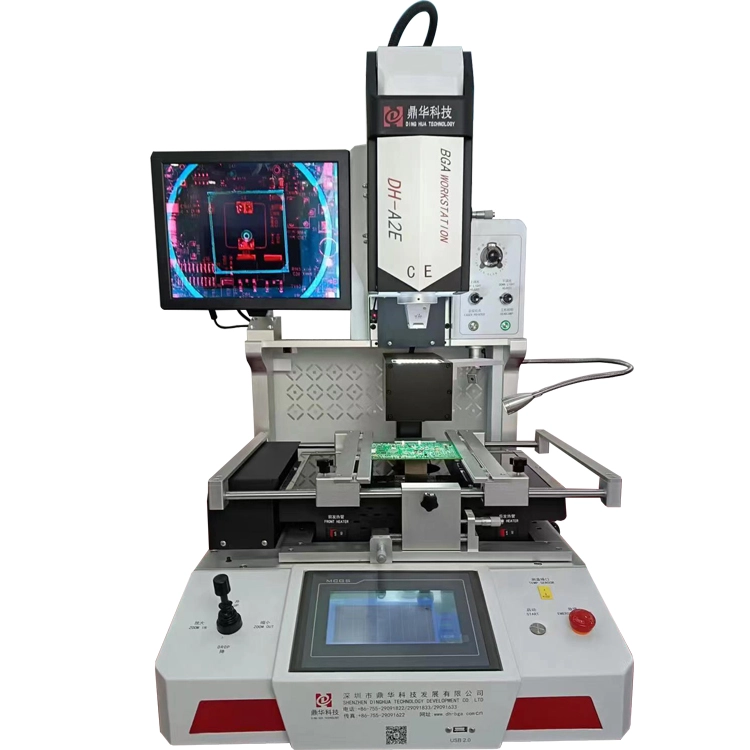
Maximize Your Equipment's Performance with a BGA Reballing Station
2024-12-21
Maximize Your Equipment's Performance with a BGA Reballing Station
Table of Contents
- 1. Introduction to BGA Reballing
- 2. What is BGA Reballing?
- 3. The Importance of BGA Reballing in Equipment Maintenance
- 4. How BGA Reballing Works: A Step-by-Step Guide
- 5. Benefits of Using a BGA Reballing Station
- 6. Choosing the Right BGA Reballing Station
- 7. Common BGA Reballing Techniques
- 8. Frequently Asked Questions
- 9. Conclusion
1. Introduction to BGA Reballing
In the fast-paced world of industrial equipment maintenance, ensuring optimal performance is critical. One effective method that has gained traction in recent years is BGA (Ball Grid Array) reballing. This process not only extends the life of circuit boards but also enhances the overall efficiency of the equipment. In this article, we explore how BGA reballing stations can help maximize your equipment's performance.
2. What is BGA Reballing?
BGA reballing is a specialized technique used to repair circuit boards that utilize BGA packages. BGAs consist of a grid of solder balls that connect the chip to the circuit board. Over time, these solder balls can wear out or become damaged, leading to connectivity issues. Reballing involves removing the old solder balls and replacing them with new ones, ensuring a solid connection.
3. The Importance of BGA Reballing in Equipment Maintenance
Regular maintenance is essential for industrial equipment, and BGA reballing plays a crucial role. By addressing issues with solder joints, we can significantly reduce the risk of equipment failure. BGA reballing not only fixes existing problems but also prevents future failures, ultimately saving time and costs related to equipment downtime.
4. How BGA Reballing Works: A Step-by-Step Guide
Understanding the reballing process is vital for maintenance technicians. Here’s a detailed breakdown of how BGA reballing works:
4.1 Preparation
The first step involves identifying the faulty BGA on the circuit board. After locating the issue, we must carefully remove the BGA package to access the solder balls.
4.2 Defluxing
Next, defluxing is crucial to eliminate any residual flux from the circuit board. This ensures that the new solder balls adhere correctly during the reballing process.
4.3 Solder Ball Removal
Using a specialized tool, we remove the old solder balls from the BGA. This step requires precision to avoid damage to the underlying pads.
4.4 Solder Ball Placement
Once the old solder balls are removed, we place new solder balls into the grid pattern of the BGA package. This is typically done using a reballing stencil, which helps maintain the correct alignment.
4.5 Reflow Process
The final step is the reflow process, where heat is applied to melt the new solder balls, creating a solid connection between the BGA and the circuit board.
5. Benefits of Using a BGA Reballing Station
Investing in a BGA reballing station offers several advantages for industrial equipment maintenance. Here are some key benefits:
5.1 Enhanced Precision
BGA reballing stations are designed to provide precise control over the reballing process, ensuring that solder balls are placed accurately and uniformly.
5.2 Improved Efficiency
With advanced technology, these stations minimize the time required for reballing, allowing technicians to handle more repairs in less time.
5.3 Cost-Effective Repairs
By utilizing a BGA reballing station, companies can significantly reduce repair costs compared to replacing entire circuit boards.
5.4 Extended Equipment Lifespan
Regular reballing can extend the lifespan of industrial equipment, delaying costly replacements and maximizing return on investment.
5.5 Reduced Downtime
Efficient repairs lead to less downtime for machinery, resulting in increased productivity and operational efficiency.
6. Choosing the Right BGA Reballing Station
Selecting the appropriate BGA reballing station is essential for optimal performance. Here are some factors to consider:
6.1 Size and Capacity
Evaluate the size and capacity of the station to ensure it meets your operational needs. Larger stations can handle bigger boards and more complex repairs.
6.2 Features and Technology
Look for stations equipped with advanced features such as temperature control, programmable profiles, and automation capabilities.
6.3 Budget Considerations
Determine your budget and compare options. Investing in a quality station can provide better long-term results.
6.4 Brand Reputation
Research reputable brands known for their reliability and customer support. Reviews and testimonials can offer insight into performance.
6.5 After-Sales Support
Ensure that the manufacturer provides adequate customer service and technical support for ongoing maintenance of the station.
7. Common BGA Reballing Techniques
Familiarity with various reballing techniques can enhance the effectiveness of the process. Here are some commonly used methods:
7.1 Manual Reballing
This technique involves placing solder balls manually using tweezers or other tools. While it requires skill, it offers high precision.
7.2 Stencil Reballing
Utilizing a stencil simplifies the process by allowing multiple solder balls to be placed simultaneously, increasing efficiency.
7.3 Hot Air Reballing
This method uses hot air to melt the solder balls during reflow, making it an effective option for delicate components.
7.4 Infrared Reballing
Infrared reballing employs infrared heating technology to provide uniform heating, reducing the risk of damage to surrounding components.
8. Frequently Asked Questions
8.1 What is the typical lifespan of a BGA reballing station?
A well-maintained BGA reballing station can last several years, depending on usage and quality.
8.2 Can BGA reballing be performed in-house?
Yes, with the right equipment and training, companies can perform BGA reballing in-house, reducing reliance on external services.
8.3 How often should BGA reballing be performed?
The frequency of reballing depends on the specific equipment and usage. Regular inspections can help determine when reballing is necessary.
8.4 Is reballing a permanent solution?
While reballing can significantly extend the life of a circuit board, it may not be a permanent fix if underlying issues are present.
8.5 What are the signs that BGA reballing is needed?
Common signs include equipment malfunction, intermittent connectivity, or visible damage to solder joints.
9. Conclusion
BGA reballing is a critical component in maintaining the efficiency and longevity of industrial equipment. By understanding the process and investing in a quality BGA reballing station, companies can minimize downtime, reduce repair costs, and enhance overall performance. Implementing regular BGA reballing as part of your maintenance strategy ensures that your equipment operates at its best, ultimately driving productivity and profitability.
Keywords:
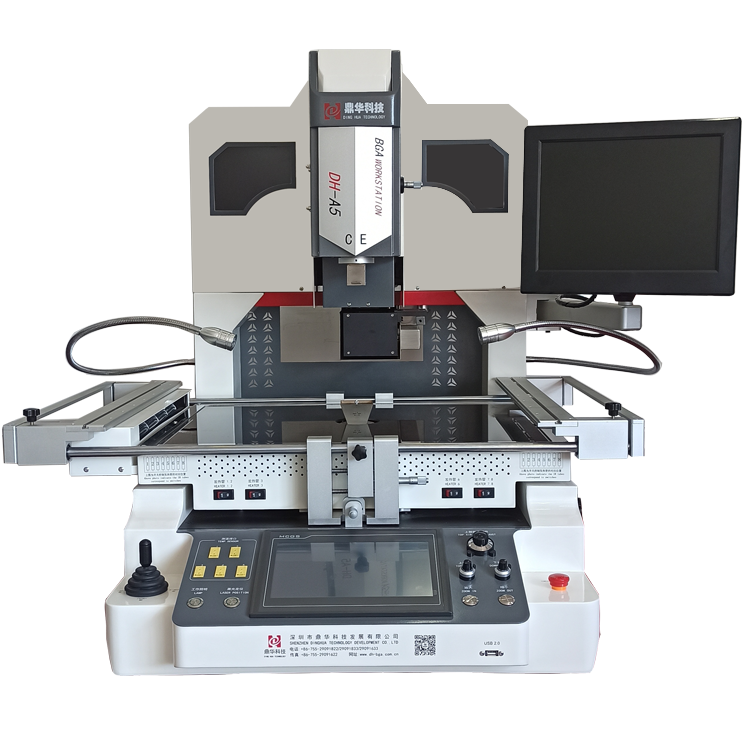

Related News

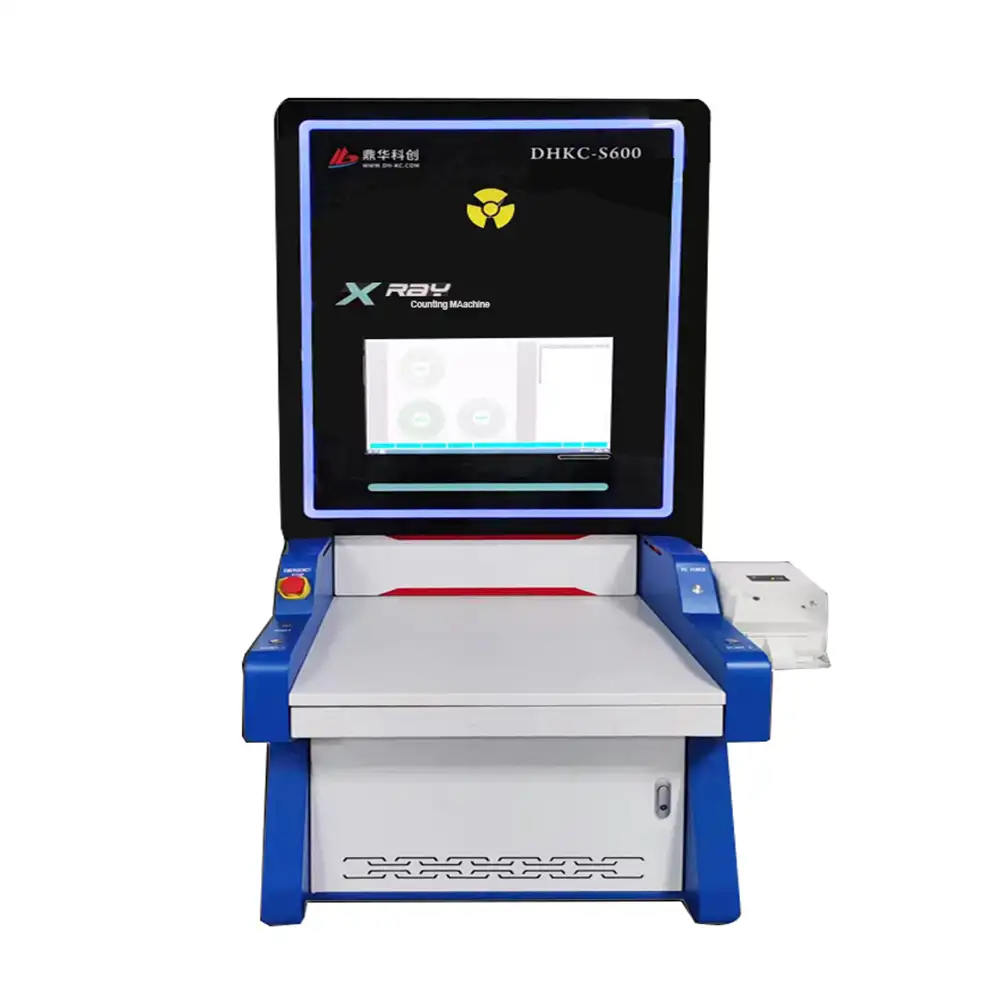
High-Speed X-ray Component Counter Machine for SMT Inventory
In high-mix, low-volume SMT manufacturing, manual component counting is a major bottleneck that drains labor hours and introduces costly inventory discrepancies. The Dinghua X-ray Counter Machine completely revolutionizes your warehouse management. By utilizing advanced industrial X-ray imaging combined with AI deep-learning algorithms, this system allows operators to calculate the exact component count of full SMD reels, tubes, or trays in seconds—without ever breaking the factory moisture-barrier seal.

Complete Guide to BGA Rework Station 2026: Tips for PCB Repair & Manufacturing
This 2026 guide covers everything you need to know about BGA rework stations, from core definitions to selection, operation, and maintenance. We draw on 15 years of hands-on experience manufacturing and testing BGA rework equipment, plus data from leading electronics industry associations to deliver unbiased, actionable advice. You’ll find step-by-step guides, comparison data, and answers to common questions to help you choose or use your BGA rework station correctly.

Complete Guide to Nondestructive Testing Equipment for Electronics Quality Control 2026
This comprehensive 2026 guide covers core knowledge of Nondestructive Testing Equipment, from basic definitions to practical selection and application tips, with a focus on the electronics manufacturing industry. We share hands-on testing insights, comparison data, and expert recommendations from our 15+ years of NDT manufacturing experience to help you find the right solution.
2026 Complete Guide to BGA Rework Station: Types, Uses & Buying Tips
This 2026 expert guide covers every critical aspect of BGA rework stations, from basic definitions and core components to step-by-step processes, model comparisons, and buying guidance. We draw on 12 years of hands-on testing and manufacturing experience from www.xraybgamachine.com, align with global IPC and RoHS standards, and answer common questions professionals have when purchasing a new station. This guide helps you make an informed buying decision for any facility size.


Contact Us
> Tel: +8615768114827 /+86-755-29091822
> Fax: +86-0755-29091622
> Email: John@dh-kc.com
> Address: 4th Floor, Building 6B, Shengzuozhi Technology Park, Xinqiao(518125),Bao'an,Shenzhen, Guangdong, China.

Copyright © 2024 Shenzhen Dinghua Innovation Technology Co., Ltd. All Rights Reserved.