Professional Equipment Manufacturer


 Esperanto
 Shqiptare
 Euskara
 Zulu
Zulu
 Latinus
 Cymraeg
 தமிழ்
தமிழ்
 Slovak
 Slovak
 Afrikaans


Essential Tips for Choosing the Right BGA Reballing Station
2024-12-19
Essential Tips for Choosing the Right BGA Reballing Station
Table of Contents
- 1. Introduction to BGA Reballing Stations
- 2. Why BGA Reballing is Important in the Repair Industry
- 3. Key Features to Consider When Choosing a BGA Reballing Station
- 3.1 Temperature Control
- 3.2 Pad Size Compatibility
- 3.3 Size and Portability
- 3.4 Build Quality and Durability
- 4. Brand Reputation and Customer Reviews
- 5. Budget and Cost Considerations
- 6. Maintenance and Technical Support
- 7. Expert Recommendations for Top BGA Reballing Stations
- 8. Frequently Asked Questions
- 9. Conclusion
1. Introduction to BGA Reballing Stations
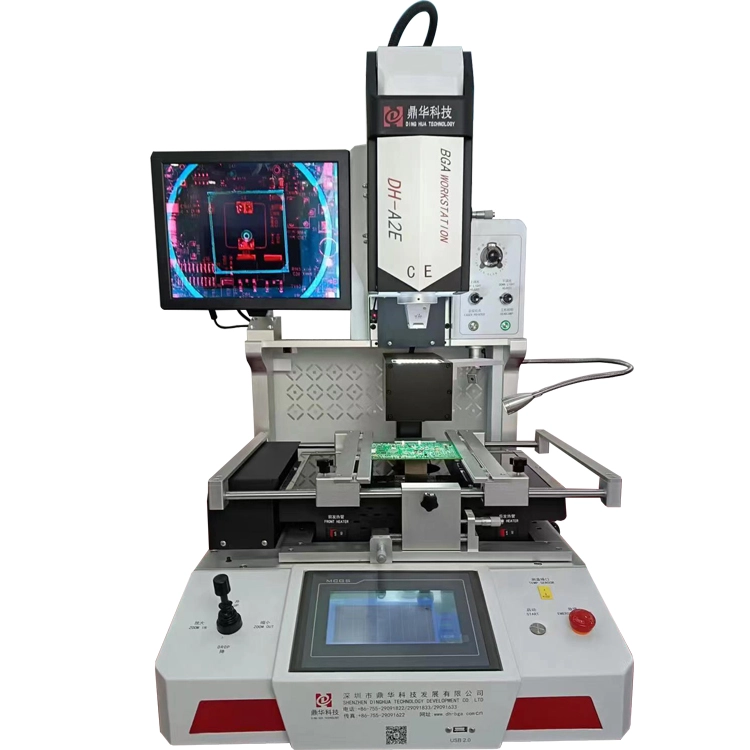
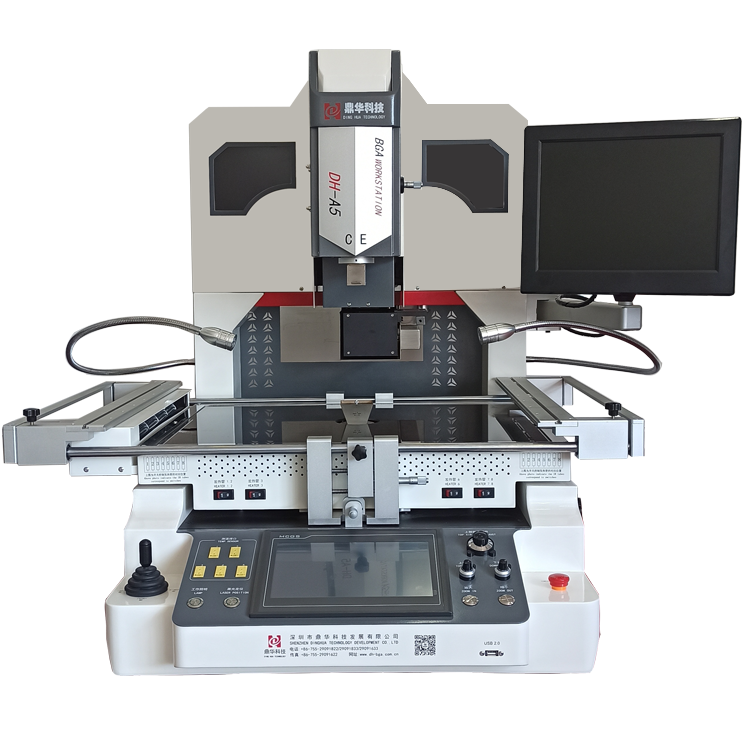
BGA (Ball Grid Array) reballing stations are essential tools in the world of electronic repairs, particularly for devices with integrated circuits. The capability to efficiently reball BGAs enhances the longevity of electronic components and devices, making these machines indispensable in the maintenance of industrial equipment. This guide aims to provide essential tips for selecting the right BGA reballing station, ensuring that you make an informed decision that meets your specific needs.
2. Why BGA Reballing is Important in the Repair Industry
BGA reballing is critical in the repair of modern electronics, especially in industrial settings where uptime is vital. With the increasing complexity of electronic devices, effective reballing can restore functionality, prolonging the life of components while minimizing costs. By understanding the significance of BGA reballing, you can appreciate the importance of choosing the right station for your operations.
3. Key Features to Consider When Choosing a BGA Reballing Station
When it comes to selecting a BGA reballing station, several key features should guide your decision-making process. Understanding these features can greatly enhance your reballing efficiency and overall results.
3.1 Temperature Control
Effective temperature control is paramount in a BGA reballing station. Look for models that offer precise temperature regulation to avoid overheating or underheating the components. A station with adjustable temperature settings allows for better customization based on the specific requirements of different types of BGAs.
3.2 Pad Size Compatibility
Different BGAs come with varying pad sizes. Ensure that the reballing station you choose can accommodate the range of pad sizes you typically work with. This compatibility is crucial for achieving successful reballing outcomes without damaging the components.
3.3 Size and Portability
Consider the size of the BGA reballing station in relation to your workspace. If space is limited, look for compact models that still deliver high performance. Additionally, if you need to transport the station for on-site repairs, portability should be an important factor in your selection process.
3.4 Build Quality and Durability
The build quality of a BGA reballing station can significantly impact its performance and lifespan. Choose a station made from robust materials that can withstand the rigors of industrial use. A durable unit not only ensures longevity but also reduces the likelihood of malfunctions during critical repairs.
4. Brand Reputation and Customer Reviews
When investing in a BGA reballing station, brand reputation plays a crucial role. Research established brands known for quality and reliability. Customer reviews can provide valuable insights into product performance and user experiences. A reputable brand with positive reviews is likely to offer a station that meets your expectations.
5. Budget and Cost Considerations
Establishing a budget is essential when choosing a BGA reballing station. While it's tempting to opt for the cheapest option, consider the long-term costs associated with maintenance and reliability. Investing in a higher-quality station may save you money down the line by reducing the frequency of repairs and replacements.
6. Maintenance and Technical Support
A BGA reballing station requires regular maintenance to ensure optimal functionality. When selecting a station, inquire about maintenance services and technical support offered by the manufacturer. Having access to reliable support can make a significant difference in your repair operations.
7. Expert Recommendations for Top BGA Reballing Stations
Based on extensive research and expert opinions, here are some highly recommended BGA reballing stations worth considering:
1. **Quick 861DW** - Renowned for its precise temperature control and robust build quality, the Quick 861DW is a favorite among professionals.
2. **Weller WHA900** - This model is known for its portability and user-friendly interface, making it an excellent choice for fieldwork.
3. **Hakko FR-301** - With a focus on reliability and ease of use, the Hakko FR-301 is perfect for technicians seeking a balance between performance and cost.
These recommendations are tailored for those looking to enhance their reballing capabilities while ensuring high-quality repairs.
8. Frequently Asked Questions
What is a BGA reballing station used for?
A BGA reballing station is used to repair electronic components by replacing the solder balls on BGAs, ensuring proper connectivity and functionality.
How do I maintain my BGA reballing station?
Regular cleaning, ensuring proper temperature calibration, and replacing worn-out parts are essential for maintaining a BGA reballing station.
Can I use a BGA reballing station for other types of components?
While primarily designed for BGAs, some reballing stations can be adapted for other components with similar soldering requirements.
What should I look for in a budget BGA reballing station?
In a budget BGA reballing station, prioritize good temperature control, compatibility with various pad sizes, and user-friendly features.
Is training necessary to use a BGA reballing station?
While prior knowledge of soldering and electronic repairs is beneficial, many manufacturers provide training resources to help new users understand the operation of their stations.
9. Conclusion
Choosing the right BGA reballing station is crucial for efficient and reliable electronic repairs. By considering key features such as temperature control, pad size compatibility, and brand reputation, you can make an informed decision tailored to your needs. Investing time in understanding these factors will ultimately lead to better repair outcomes and enhanced productivity in your operations. With the right equipment at your disposal, you can ensure the longevity and effectiveness of your electronic components, solidifying your position in the competitive world of industrial equipment repairs.
Keywords:

Related News
DH Xray PCB Inspection Machine: High Precision Defect Detection for 2026 Electronics Manufacturing
This complete guide covers core features, benefits, use cases, and performance comparisons of DH Xray PCB inspection machines, based on 2026 hands-on testing data from real electronics manufacturing lines. We share practical insights to help you decide if this solution fits your quality control needs, and answer the most common questions users ask.
DH Xray PCB Inspection Machine: High Precision Non-Destructive Testing 2026
This comprehensive guide explains everything you need to know about DH Xray pcb inspection machine, including core functions, key benefits, performance comparison with traditional inspection methods, common application scenarios, and answers to frequently asked questions. We share real testing experience and 2026 industry data to help you make an informed purchasing decision for your PCB production line.
DH Xray pcb inspection machine: High Precision NDT for 2026 Electronics Quality Control
This complete guide breaks down everything you need to know about the DH Xray pcb inspection machine from Dinghua Technology, a leading global supplier of BGA rework stations and X-ray inspection equipment. We cover core capabilities, real-world performance data, common use cases, and answer top industry questions based on 2026 testing and client results.

Industrial X-Ray Machine: 2026 Complete Guide for NDT Inspection & Selection
This 2026 expert guide covers everything you need to know about Industrial X-Ray Machines, from core working principles and common industry applications to key selection criteria, maintenance best practices, and transparent 2026 pricing data. Drawing from over 15 years of hands-on manufacturing and testing experience at Dinghua Technology, we answer the most common questions and provide actionable insights to help you make a confident purchasing decision.


Contact Us
> Tel: +8615768114827 /+86-755-29091822
> Fax: +86-0755-29091622
> Email: John@dh-kc.com
> Address: 4th Floor, Building 6B, Shengzuozhi Technology Park, Xinqiao(518125),Bao'an,Shenzhen, Guangdong, China.

Copyright © 2024 Shenzhen Dinghua Innovation Technology Co., Ltd. All Rights Reserved.