Professional Equipment Manufacturer


 Esperanto
 Shqiptare
 Euskara
 Zulu
Zulu
 Latinus
 Cymraeg
 தமிழ்
தமிழ்
 Slovak
 Slovak
 Afrikaans


How to Choose the Right Manual BGA Rework Station for Your Needs
2024-12-13
How to Choose the Right Manual BGA Rework Station for Your Needs
Table of Contents
- 1. Understanding BGA Rework Stations
- 2. The Importance of BGA Technology in Electronics
- 3. Key Features to Consider When Choosing a Manual BGA Rework Station
- 4. Different Types of Manual BGA Rework Stations and Their Applications
- 5. Budgeting for Your BGA Rework Station: What to Expect
- 6. Maintenance and Support for BGA Rework Stations
- 7. User Experience and Customer Feedback
- 8. Frequently Asked Questions
1. Understanding BGA Rework Stations
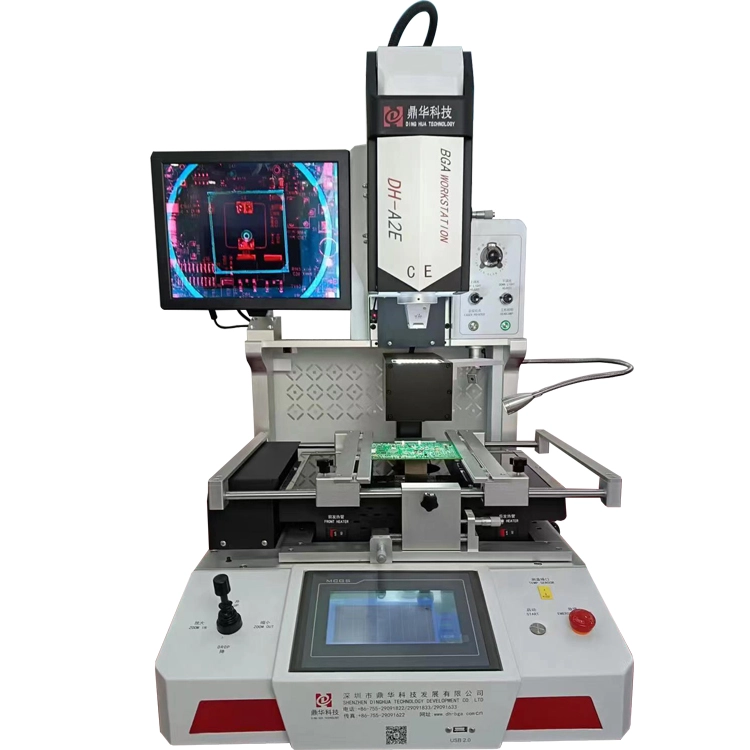
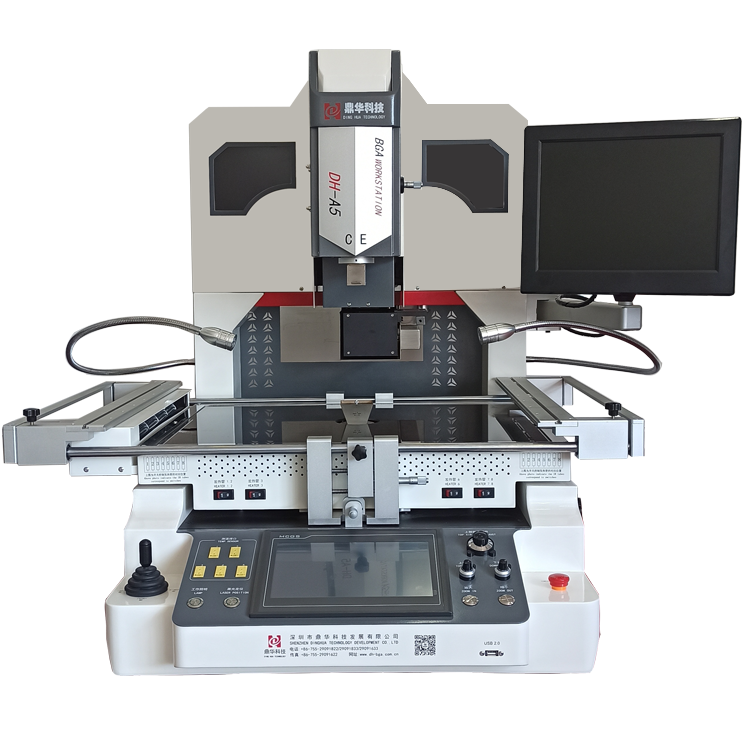
Manual Ball Grid Array (BGA) rework stations are integral tools in the realm of electronics repair. They allow for the precise attachment and detachment of BGA components on printed circuit boards (PCBs). By utilizing techniques such as hot air rework, these stations ensure that solder joints are correctly melted and reformed, providing a reliable connection for complex electronic devices.
2. The Importance of BGA Technology in Electronics
BGA technology has become increasingly popular due to its ability to accommodate high pin counts and reduce the overall footprint of electronic components. This allows for more compact designs and improved performance in various applications, from consumer electronics to industrial machinery. Understanding this technology is crucial as it influences the choice of equipment for repairs and installations.
3. Key Features to Consider When Choosing a Manual BGA Rework Station
When selecting a manual BGA rework station, several features can significantly impact your work efficiency and output quality. Here are the primary aspects to evaluate:
3.1 Temperature Control
A reliable temperature control system is essential. Look for units with digital displays that allow for precise temperature settings, as overheating can damage components while insufficient heat may fail to reflow solder properly.
3.2 Hot Air Nozzles
Hot air nozzles must be compatible with the sizes of BGAs you expect to work with. Interchangeable nozzles add versatility to your station, enabling you to handle different component sizes effectively.
3.3 Vacuum Pickup Tool
A vacuum pickup tool allows for safe removal and placement of BGA components. Ensure the station includes high-quality suction capabilities to prevent damage during handling.
3.4 Work Surface Area
A spacious work surface accommodates various PCB sizes and provides ample space for tools and components. An anti-static surface is beneficial for preventing electrostatic discharge (ESD) damage to sensitive parts.
3.5 User-Friendly Interface
The user interface should be intuitive. Stations with touch screens or easy-to-navigate controls can enhance productivity, as technicians will spend less time learning how to operate the equipment.
4. Different Types of Manual BGA Rework Stations and Their Applications
There are various types of manual BGA rework stations tailored for specific applications. Understanding these can help you choose the right tool for your needs.
4.1 Entry-Level Stations
These are ideal for hobbyists and small repair shops. They typically offer basic features at an affordable price, making them suitable for straightforward BGA repairs.
4.2 Mid-Range Stations
Mid-range stations provide additional features such as enhanced temperature control and multiple nozzle sizes. They cater to professionals who perform more complex repairs and require greater flexibility.
4.3 Advanced Stations
High-end models come equipped with advanced technology, such as infrared heating and programmable profiles. These are intended for high-volume manufacturers or specialized repair facilities that demand precision and efficiency.
5. Budgeting for Your BGA Rework Station: What to Expect
Pricing for manual BGA rework stations can vary significantly based on features and capabilities. Here’s a breakdown of what you can expect:
5.1 Entry-Level Pricing
Basic models range from $200 to $600. They are suitable for hobbyists and those just starting in PCB repair.
5.2 Mid-Range Investment
Mid-range units typically cost between $600 and $1,200. These units provide more features and better reliability for professional users.
5.3 Advanced Unit Costs
High-end BGA rework stations can start at $1,200 and exceed $5,000, depending on the brand and features. These are best suited for companies that perform high volumes of repairs or specialized work.
6. Maintenance and Support for BGA Rework Stations
To ensure longevity and reliability, regular maintenance of your BGA rework station is essential. Here are some tips:
6.1 Routine Cleaning
Dust and debris should be regularly removed from both the station and the work area. This prevents contamination and keeps components functioning optimally.
6.2 Calibration Checks
Regular calibration checks of temperature settings can ensure that your equipment is operating correctly. Miscalibrated systems can lead to inconsistent results and component damage.
6.3 Technical Support
Consider the availability of customer support from the manufacturer. Reliable technical assistance can save time and trouble if issues arise during repairs.
7. User Experience and Customer Feedback
Before making a purchase, gathering feedback from current users can provide insight into the performance and reliability of different models. Look for reviews that detail both positive and negative experiences. Online forums, product reviews, and testimonials can be invaluable resources for assessing customer satisfaction with a particular BGA rework station.
8. Frequently Asked Questions
8.1 What is a BGA rework station used for?
A BGA rework station is used to attach or detach BGA components from PCBs, allowing for repairs or upgrades in electronic devices.
8.2 How do I determine the right size for my BGA rework station?
Consider the types of PCBs you will be working with. Ensure the station has a sufficient work surface area and compatible hot air nozzles for the components' sizes.
8.3 Are there specific brands known for their quality BGA rework stations?
Yes, brands like Weller, Quick, and Hakko are well-regarded for producing reliable and efficient BGA rework stations.
8.4 How often should I maintain my BGA rework station?
Routine maintenance should be performed regularly, including cleaning and calibration checks. It is advisable to check your equipment's manual for specific recommendations.
8.5 Can I use a BGA rework station for other soldering tasks?
Yes, many BGA rework stations are versatile enough to handle various soldering tasks, making them suitable for a range of electronic repairs.
Conclusion
Choosing the right manual BGA rework station is crucial for enhancing your electronic repair capabilities. By considering factors such as temperature control, nozzle compatibility, work surface size, and user experience, you can make an informed decision that best fits your needs. Taking the time to evaluate different options, budget accordingly, and seek user feedback will empower you to invest in a tool that not only meets your requirements but also improves your efficiency and effectiveness in the field. Whether you are a hobbyist or a professional, the right BGA rework station will elevate your repair work and contribute to the longevity of your electronic devices.
Keywords:

Related News
DH Xray PCB Inspection Machine: High Precision Defect Detection for 2026 Electronics Manufacturing
This complete guide covers core features, benefits, use cases, and performance comparisons of DH Xray PCB inspection machines, based on 2026 hands-on testing data from real electronics manufacturing lines. We share practical insights to help you decide if this solution fits your quality control needs, and answer the most common questions users ask.
DH Xray PCB Inspection Machine: High Precision Non-Destructive Testing 2026
This comprehensive guide explains everything you need to know about DH Xray pcb inspection machine, including core functions, key benefits, performance comparison with traditional inspection methods, common application scenarios, and answers to frequently asked questions. We share real testing experience and 2026 industry data to help you make an informed purchasing decision for your PCB production line.
DH Xray pcb inspection machine: High Precision NDT for 2026 Electronics Quality Control
This complete guide breaks down everything you need to know about the DH Xray pcb inspection machine from Dinghua Technology, a leading global supplier of BGA rework stations and X-ray inspection equipment. We cover core capabilities, real-world performance data, common use cases, and answer top industry questions based on 2026 testing and client results.

Industrial X-Ray Machine: 2026 Complete Guide for NDT Inspection & Selection
This 2026 expert guide covers everything you need to know about Industrial X-Ray Machines, from core working principles and common industry applications to key selection criteria, maintenance best practices, and transparent 2026 pricing data. Drawing from over 15 years of hands-on manufacturing and testing experience at Dinghua Technology, we answer the most common questions and provide actionable insights to help you make a confident purchasing decision.


Contact Us
> Tel: +8615768114827 /+86-755-29091822
> Fax: +86-0755-29091622
> Email: John@dh-kc.com
> Address: 4th Floor, Building 6B, Shengzuozhi Technology Park, Xinqiao(518125),Bao'an,Shenzhen, Guangdong, China.

Copyright © 2024 Shenzhen Dinghua Innovation Technology Co., Ltd. All Rights Reserved.