Professional Equipment Manufacturer


 Esperanto
 Shqiptare
 Euskara
 Zulu
Zulu
 Latinus
 Cymraeg
 தமிழ்
தமிழ்
 Slovak
 Slovak
 Afrikaans


Unlocking Precision: The Comprehensive Benefits of a Manual BGA Rework Station
2024-12-11
Unlocking Precision: The Comprehensive Benefits of a Manual BGA Rework Station
Table of Contents
- 1. Introduction to Manual BGA Rework Stations
- 2. Understanding BGA Technology and Its Importance
- 3. Advantages of Using a Manual BGA Rework Station
- 3.1 Enhanced Precision in Repairs
- 3.2 Cost-Effectiveness for Long-Term Use
- 3.3 Flexibility for Various Applications
- 4. Key Components of a Manual BGA Rework Station
- 5. How to Operate a Manual BGA Rework Station
- 6. Maintenance Tips for Optimal Performance
- 7. Frequently Asked Questions
- 8. Conclusion
1. Introduction to Manual BGA Rework Stations
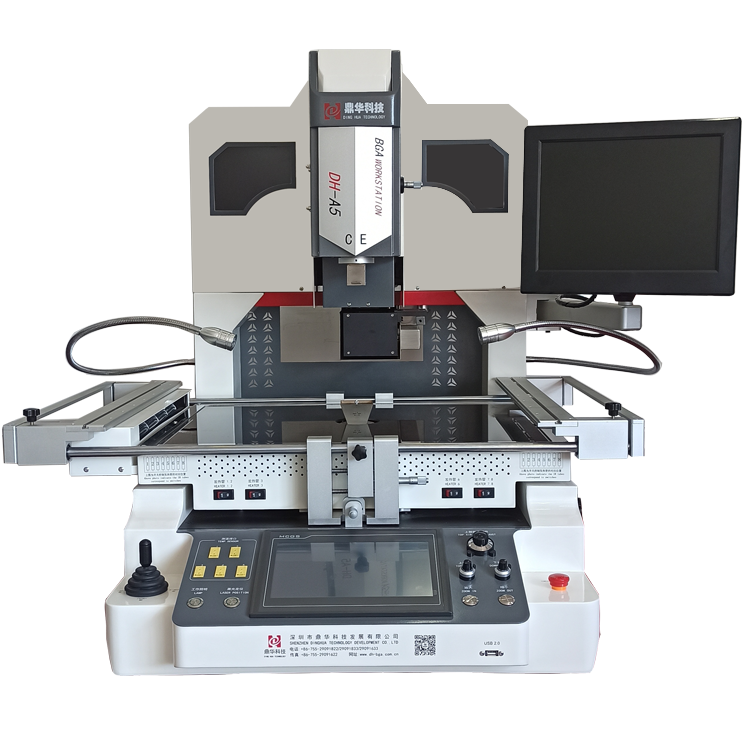
In today's technologically driven world, **precision** in electronic repairs has become more critical than ever. Manual BGA (Ball Grid Array) rework stations emerge as indispensable tools in the realm of **industrial equipment maintenance** and installation. These stations provide technicians with the ability to repair and replace damaged microchips with unparalleled accuracy. In this article, we delve into the extensive benefits of manual BGA rework stations and how they can transform your repair processes for enhanced efficiency and reliability.
2. Understanding BGA Technology and Its Importance
BGA technology is widely used in modern electronic components, including smartphones, laptops, and industrial devices. The BGA package allows for a higher density of connections, which is crucial for the performance of small and complex circuits. Understanding the significance of BGA technology is vital, as it directly relates to the importance of having a reliable rework station.
**BGA packages** feature solder balls on their underside, connecting the chip to the printed circuit board (PCB). When these connections fail, often due to heat, mechanical stress, or manufacturing defects, a manual BGA rework station allows for precise re-soldering, ensuring the components function correctly without the need for complete board replacement.
3. Advantages of Using a Manual BGA Rework Station
Manual BGA rework stations offer numerous benefits that enhance the repair processes of electronic devices. Below are some critical advantages:
3.1 Enhanced Precision in Repairs
Manual BGA rework stations provide technicians with the ability to control the heating process, ensuring that the **soldering** materials are applied with the utmost precision. This control is essential in preventing damage to surrounding components, which can result from excessive heat. With features like adjustable heating zones and the ability to monitor temperatures closely, technicians can achieve a level of accuracy that automated processes often cannot replicate.
3.2 Cost-Effectiveness for Long-Term Use
Investing in a manual BGA rework station may initially seem costly; however, the long-term benefits far outweigh the upfront expenses. By enabling the repair of individual components rather than replacing entire boards, companies can save substantial amounts of money. In industries where electronic devices are the backbone of operations, the ability to extend the lifespan of existing equipment directly impacts the overall bottom line.
3.3 Flexibility for Various Applications
The versatility of manual BGA rework stations allows them to be used across different types of electronic devices. Whether dealing with consumer electronics, industrial machinery, or telecommunications equipment, these rework stations can be adapted to meet the specific needs of various applications. This adaptability adds significant value, as it minimizes the need for multiple specialized tools.
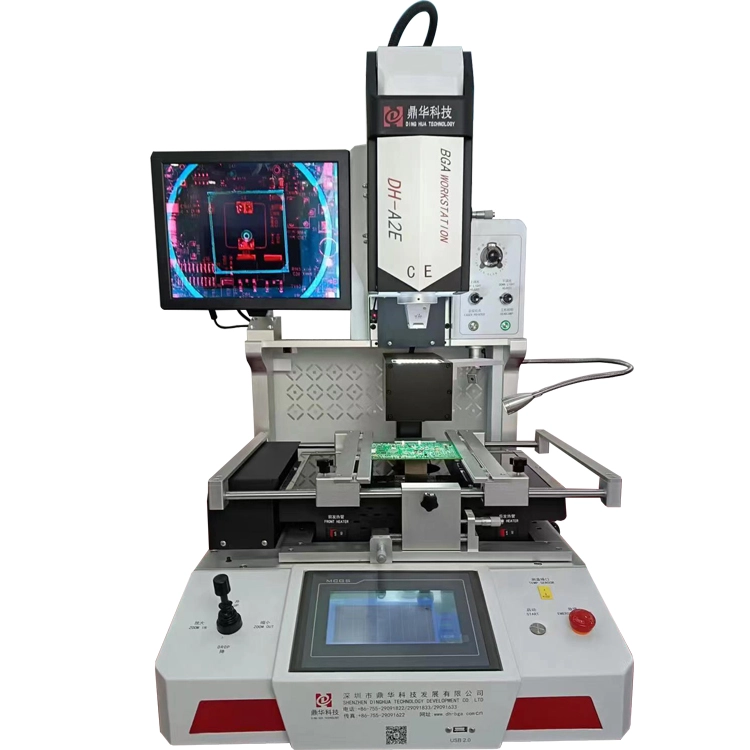
4. Key Components of a Manual BGA Rework Station
Understanding the primary components of a manual BGA rework station is crucial for utilizing its full potential. Below are the essential parts that contribute to its functionality:
4.1 Heating Element
The heating element is at the core of any manual BGA rework station. It provides the necessary heat to melt the solder balls, allowing for effective reattachment to the PCB.
4.2 Nozzles
Interchangeable nozzles allow for different sizes and shapes, catering to various BGA packages. Technicians can select the appropriate nozzle to ensure optimal placement and heat application.
4.3 Temperature Control Display
A digital display provides real-time feedback on the temperature, enabling technicians to make precise adjustments during the rework process.
4.4 Soldering Iron
The soldering iron is often used in conjunction with the rework station for additional tasks, such as touch-ups or repairs on non-BGA components.
5. How to Operate a Manual BGA Rework Station
Operating a manual BGA rework station requires skill and understanding of the equipment. Here is a step-by-step guide to effectively use this tool:
5.1 Preparation
Before starting, ensure that the work area is clean and that all necessary tools are available. Proper preparation minimizes the risk of contamination and improves work efficiency.
5.2 Set Up the Station
Connect the rework station to a power source and turn it on. Set the desired temperature based on the solder type used for the BGA component.
5.3 Align the Component
Using a microscope, carefully align the BGA component over the PCB pads. Proper alignment is crucial for ensuring a successful soldering job.
5.4 Apply Heat
With the component aligned, use the heating element to apply heat evenly across the BGA package. Monitor the temperature closely to avoid damaging the component or the PCB.
5.5 Final Checks
Once the solder has cooled and solidified, inspect the connections using a microscope to ensure that all solder balls are properly attached and that there are no shorts.
6. Maintenance Tips for Optimal Performance
To ensure the longevity and effectiveness of your manual BGA rework station, regular maintenance is essential. Here are some tips to keep your station in top condition:
6.1 Regular Cleaning
After each use, clean the heating element and nozzles to prevent residue build-up. Use appropriate cleaning solutions that do not damage the components.
6.2 Calibration Checks
Periodically check the calibration of the temperature settings to ensure accuracy. Discrepancies can lead to ineffective repairs and potential damage to components.
6.3 Component Inspection
Regularly inspect the station's components for wear and tear. Replace any damaged parts immediately to maintain optimal performance.
7. Frequently Asked Questions
7.1 What is a Manual BGA Rework Station?
A Manual BGA Rework Station is a specialized tool used for repairing and replacing BGA components on printed circuit boards with high precision.
7.2 How does it differ from automated rework stations?
Manual BGA rework stations offer technicians greater control over the heating process, allowing for more precise repairs compared to automated systems.
7.3 Are manual BGA rework stations suitable for all types of electronic devices?
Yes, they are versatile and can be used across various applications, including consumer electronics, industrial machinery, and telecommunications.
7.4 What temperature is required for soldering BGA components?
The required temperature can vary based on the solder type but typically ranges between 220°C to 260°C.
7.5 Can I perform BGA repairs without prior experience?
While it's possible, prior experience and understanding of soldering techniques are strongly recommended to ensure successful repairs without damaging components.
8. Conclusion
In summary, investing in a **manual BGA rework station** is a strategic choice for businesses focused on **industrial equipment maintenance** and installation. The precision, cost-effectiveness, and versatility provided by these stations allow for enhanced repairs and prolonged device lifespans. By employing these sophisticated tools, technicians can unlock unparalleled repair capabilities that not only improve device functionality but also contribute to significant cost savings. Embrace the benefits of manual BGA rework stations and transform your electronic repair processes today.
Keywords:

Related News
DH Xray PCB Inspection Machine: High Precision Defect Detection for 2026 Electronics Manufacturing
This complete guide covers core features, benefits, use cases, and performance comparisons of DH Xray PCB inspection machines, based on 2026 hands-on testing data from real electronics manufacturing lines. We share practical insights to help you decide if this solution fits your quality control needs, and answer the most common questions users ask.
DH Xray PCB Inspection Machine: High Precision Non-Destructive Testing 2026
This comprehensive guide explains everything you need to know about DH Xray pcb inspection machine, including core functions, key benefits, performance comparison with traditional inspection methods, common application scenarios, and answers to frequently asked questions. We share real testing experience and 2026 industry data to help you make an informed purchasing decision for your PCB production line.
DH Xray pcb inspection machine: High Precision NDT for 2026 Electronics Quality Control
This complete guide breaks down everything you need to know about the DH Xray pcb inspection machine from Dinghua Technology, a leading global supplier of BGA rework stations and X-ray inspection equipment. We cover core capabilities, real-world performance data, common use cases, and answer top industry questions based on 2026 testing and client results.

Industrial X-Ray Machine: 2026 Complete Guide for NDT Inspection & Selection
This 2026 expert guide covers everything you need to know about Industrial X-Ray Machines, from core working principles and common industry applications to key selection criteria, maintenance best practices, and transparent 2026 pricing data. Drawing from over 15 years of hands-on manufacturing and testing experience at Dinghua Technology, we answer the most common questions and provide actionable insights to help you make a confident purchasing decision.


Contact Us
> Tel: +8615768114827 /+86-755-29091822
> Fax: +86-0755-29091622
> Email: John@dh-kc.com
> Address: 4th Floor, Building 6B, Shengzuozhi Technology Park, Xinqiao(518125),Bao'an,Shenzhen, Guangdong, China.

Copyright © 2024 Shenzhen Dinghua Innovation Technology Co., Ltd. All Rights Reserved.