Professional Equipment Manufacturer


 Esperanto
 Shqiptare
 Euskara
 Zulu
Zulu
 Latinus
 Cymraeg
 தமிழ்
தமிழ்
 Slovak
 Slovak
 Afrikaans


Why Your Repair Shop Needs a BGA Rework Station for Enhanced Efficiency
2024-12-09
Why Your Repair Shop Needs a BGA Rework Station for Enhanced Efficiency
Table of Contents
- Understanding BGA Technology
- What is a BGA Rework Station?
- Key Benefits of Using a BGA Rework Station
- How a BGA Rework Station Enhances Efficiency
- Selecting the Right BGA Rework Station for Your Shop
- Best Practices for Operating a BGA Rework Station
- Common Misconceptions About BGA Rework Stations
- FAQs About BGA Rework Stations
- Conclusion
Understanding BGA Technology
Ball Grid Array (BGA) technology is a sophisticated method used in the assembly of electronic components. This technique facilitates a high-density interconnection between the chip and the circuit board, which is crucial for modern devices. As electronics become increasingly compact and complex, so too does the need for effective repair methods. Understanding BGA technology is essential for any repair shop aiming to stay competitive in the industrial equipment sector.
What is a BGA Rework Station?
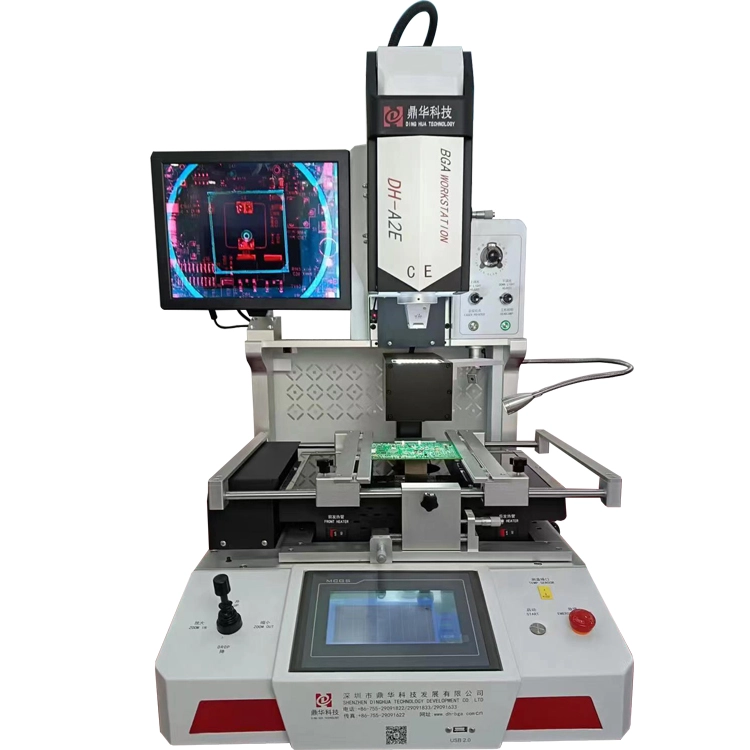
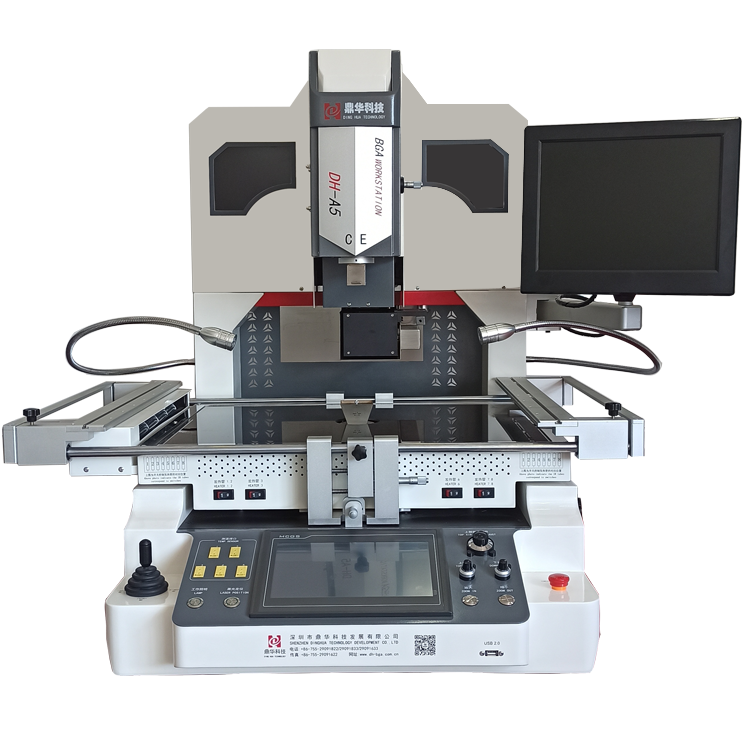
A BGA rework station is a specialized piece of equipment designed to repair, replace, or reflow BGA components on circuit boards. This station typically consists of advanced heating systems, precision alignment tools, and various other functionalities that ensure careful handling of sensitive electronic components. With the right BGA rework station, repair technicians can efficiently manage BGA components, reducing repair times and enhancing the quality of work.
Key Benefits of Using a BGA Rework Station
Investing in a BGA rework station offers numerous advantages that can significantly elevate the performance of your repair shop:
1. Improved Repair Accuracy
Modern BGA rework stations come equipped with sophisticated technology that allows for precise temperature control and alignment. This minimizes the risk of damage to both the BGA component and the circuit board, ensuring that repairs are executed flawlessly.
2. Enhanced Workflow Efficiency
With the ability to quickly and efficiently rework BGA components, repair shops can handle more jobs in less time. This not only increases productivity but also allows technicians to take on more complex projects, ultimately leading to higher revenue.
3. Cost-Effective Repairs
By utilizing a BGA rework station, repair shops can save on the costs associated with replacing entire circuit boards. Instead, technicians can focus on reworking individual BGA components, which is a more economical approach.
4. Versatility in Applications
BGA rework stations can be used for a wide range of applications, from repairing smartphones and tablets to reworking industrial equipment. This versatility makes them a valuable asset for any repair shop.
5. Compliance with Industry Standards
Investing in high-quality BGA rework stations ensures that your shop adheres to industry standards for electronic repairs. This can enhance your reputation and attract more clients.
How a BGA Rework Station Enhances Efficiency
Efficiency in a repair shop is not just about speed; it is about the effectiveness of the processes involved. A BGA rework station enhances efficiency in various ways:
1. Streamlined Process Flow
With precise controls and automated features, BGA rework stations streamline the process of repairing BGA components. This enables technicians to minimize downtime and maximize output.
2. Reduction in Rework and Replacements
The ability to accurately reflow and replace BGA components reduces the chances of needing to rework items multiple times. This leads to a more efficient use of time and resources.
3. Increased Technician Satisfaction
By providing technicians with effective tools, repair shops can increase job satisfaction. When technicians have the right equipment to do their jobs efficiently, they are less likely to experience frustration and more likely to produce high-quality work.
Selecting the Right BGA Rework Station for Your Shop
Choosing the right BGA rework station is critical to ensure that you meet the specific needs of your shop. Here are some key factors to consider:
1. Station Type
There are different types of BGA rework stations available, including manual, semi-automatic, and fully automatic models. Assess the needs of your shop to determine which type will best suit your operations.
2. Temperature Control
Look for stations with precise temperature control capabilities. This is essential for preventing damage to sensitive components during the rework process.
3. Size and Portability
Consider the size of the station and whether it fits well within your existing workspace. A portable model may be advantageous if you need flexibility in your operations.
4. Brand Reputation and Reviews
Research reputable brands and read customer reviews to gauge the quality and reliability of different BGA rework stations. This will help you make an informed decision.
Best Practices for Operating a BGA Rework Station
To maximize the benefits of a BGA rework station, adherence to best practices is essential:
1. Regular Maintenance
Conduct regular maintenance checks on your BGA rework station to ensure that it operates at peak efficiency. This includes cleaning components and checking temperature calibration.
2. Training and Skill Development
Invest in training for technicians on how to operate the BGA rework station effectively. This will help them gain confidence and enhance their skills.
3. Safe Handling Procedures
Establish and enforce safe handling procedures to minimize the risk of damage to components. This includes using appropriate tools and techniques during repairs.
Common Misconceptions About BGA Rework Stations
To make informed decisions about BGA rework stations, it’s important to address some common misconceptions:
1. They Are Only for Large Repair Shops
Many believe that BGA rework stations are only practical for large repair operations. In reality, even small repair shops can benefit from their capabilities, enhancing their service offerings.
2. All BGA Rework Stations Are the Same
Not all BGA rework stations are created equal. Differences in features, performance, and price can significantly affect the effectiveness of repairs. It’s essential to choose a model that fits your shop’s specific needs.
3. They Are Difficult to Use
While BGA rework stations may seem complex, with proper training, technicians can quickly learn to operate them effectively. The benefits far outweigh the initial learning curve.
FAQs About BGA Rework Stations
1. What is the average cost of a BGA rework station?
The cost of BGA rework stations can vary significantly based on features and brand. Generally, prices range from a few hundred to several thousand dollars.
2. How long does it take to learn how to use a BGA rework station?
With proper training, most technicians can learn to operate a BGA rework station effectively within a few hours to a few days, depending on their prior experience.
3. Can I use a BGA rework station for other types of components?
Yes, many BGA rework stations are versatile and can handle various types of components, making them useful for different repair tasks.
4. What maintenance do BGA rework stations require?
Regular cleaning, calibration checks, and component inspections are essential for maintaining a BGA rework station. Follow the manufacturer’s guidelines for specific maintenance practices.
5. Do I need special training to operate a BGA rework station?
While prior experience with electronic repairs is beneficial, specialized training is recommended to ensure the safe and effective use of the station.
Conclusion
Incorporating a BGA rework station into your repair shop is a strategic move that can significantly enhance efficiency, accuracy, and overall service quality. With the ability to streamline processes and reduce costs, this critical equipment can transform how you handle BGA components. By understanding the technology, selecting the right station, and adhering to best practices, your repair shop can thrive in an increasingly competitive market. The decision to invest in a BGA rework station is not merely about acquiring a tool; it’s about elevating your entire operation to new heights.
Keywords:

Related News
DH Xray PCB Inspection Machine: High Precision Defect Detection for 2026 Electronics Manufacturing
This complete guide covers core features, benefits, use cases, and performance comparisons of DH Xray PCB inspection machines, based on 2026 hands-on testing data from real electronics manufacturing lines. We share practical insights to help you decide if this solution fits your quality control needs, and answer the most common questions users ask.
DH Xray PCB Inspection Machine: High Precision Non-Destructive Testing 2026
This comprehensive guide explains everything you need to know about DH Xray pcb inspection machine, including core functions, key benefits, performance comparison with traditional inspection methods, common application scenarios, and answers to frequently asked questions. We share real testing experience and 2026 industry data to help you make an informed purchasing decision for your PCB production line.
DH Xray pcb inspection machine: High Precision NDT for 2026 Electronics Quality Control
This complete guide breaks down everything you need to know about the DH Xray pcb inspection machine from Dinghua Technology, a leading global supplier of BGA rework stations and X-ray inspection equipment. We cover core capabilities, real-world performance data, common use cases, and answer top industry questions based on 2026 testing and client results.

Industrial X-Ray Machine: 2026 Complete Guide for NDT Inspection & Selection
This 2026 expert guide covers everything you need to know about Industrial X-Ray Machines, from core working principles and common industry applications to key selection criteria, maintenance best practices, and transparent 2026 pricing data. Drawing from over 15 years of hands-on manufacturing and testing experience at Dinghua Technology, we answer the most common questions and provide actionable insights to help you make a confident purchasing decision.


Contact Us
> Tel: +8615768114827 /+86-755-29091822
> Fax: +86-0755-29091622
> Email: John@dh-kc.com
> Address: 4th Floor, Building 6B, Shengzuozhi Technology Park, Xinqiao(518125),Bao'an,Shenzhen, Guangdong, China.

Copyright © 2024 Shenzhen Dinghua Innovation Technology Co., Ltd. All Rights Reserved.