Professional Equipment Manufacturer


 Esperanto
 Shqiptare
 Euskara
 Zulu
Zulu
 Latinus
 Cymraeg
 தமிழ்
தமிழ்
 Slovak
 Slovak
 Afrikaans


Mastering the Art of Soldering: How a BGA Rework Station Can Elevate Your Repairs
2024-12-07
Mastering the Art of Soldering: How a BGA Rework Station Can Elevate Your Repairs
Table of Contents
- Introduction to BGA Rework Stations
- What is a BGA Rework Station?
- The Importance of Precise Soldering in Repairs
- Key Features of BGA Rework Stations
- The BGA Repair Process: Step-by-Step
- Tips and Tricks for Effective Soldering
- Common Soldering Mistakes and How to Avoid Them
- Maintaining Your BGA Rework Station
- Conclusion
- Frequently Asked Questions
Introduction to BGA Rework Stations
In the world of electronics repair, the ability to solder properly can make or break a project. For professionals dealing with complex circuit boards, **BGA (Ball Grid Array)** components pose unique challenges. **BGA rework stations** have emerged as essential tools for effective soldering and desoldering of these components, ensuring high-quality repairs. This article delves into the intricacies of BGA rework stations, their benefits, and best practices to master the art of soldering.
What is a BGA Rework Station?
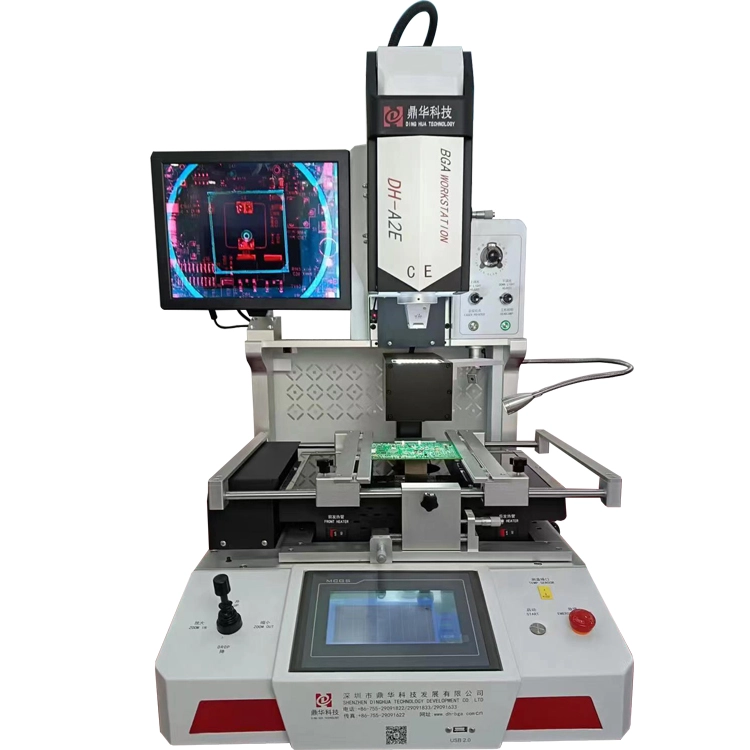
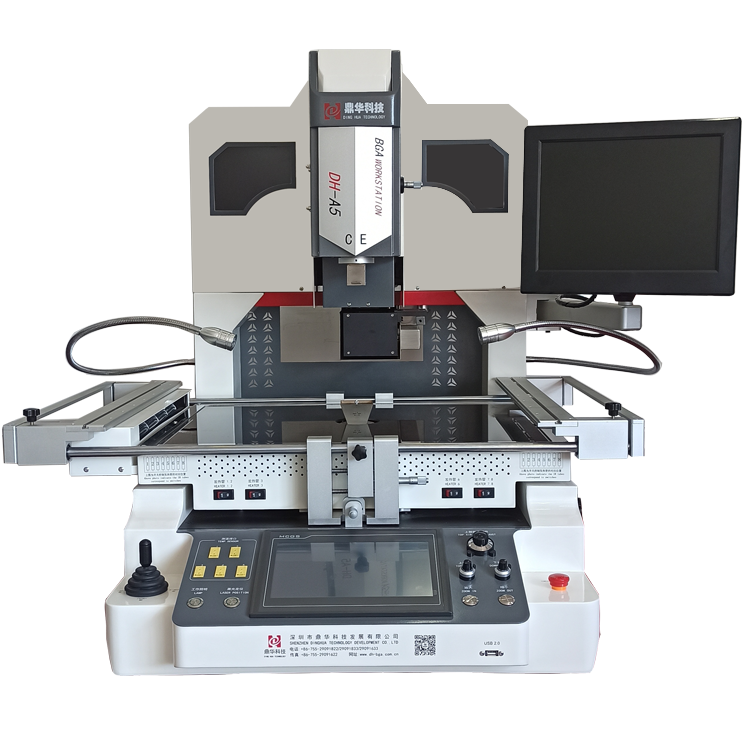
A BGA rework station is a specialized piece of equipment designed for the **repair and maintenance of BGA components** on printed circuit boards (PCBs). Unlike traditional soldering methods, which may not adequately address the needs of intricate BGA designs, these stations provide precise heat control and alignment features.
Components of a BGA Rework Station
1. **Hot Air Rework Tool**: This tool uses heated air to melt solder and allows for the removal or placement of BGA components.
2. **Infrared Preheating Plate**: Helps to evenly heat the PCB, preventing thermal shock and ensuring a smooth soldering process.
3. **Vacuum Pickup Tool**: Used to gently lift BGA components without risking damage.
4. **Microscope/Camera**: Provides a close-up view of the soldering area, enhancing precision.
The Importance of Precise Soldering in Repairs
Precision in soldering is critical for ensuring the functionality and longevity of electronic devices. Poor soldering can lead to various issues, including:
- **Short Circuits**: Incorrect soldering can create bridges between adjacent pads.
- **Cold Joints**: Inadequate heating during soldering can result in weak connections that can easily break.
- **Component Damage**: Overheating can damage sensitive components, rendering them unusable.
Using a BGA rework station mitigates these risks by providing the control needed for successful soldering.
Key Features of BGA Rework Stations
When considering a BGA rework station, look for the following key features that enhance functionality and ease of use:
1. Temperature Control
Accurate temperature settings are vital for effective soldering. Look for stations that allow for precise adjustments, typically within a range of 100°C to 400°C.
2. Adjustable Airflow
The ability to modify airflow is essential for delicate components. A well-designed station will offer adjustable airflow to prevent damage during the soldering process.
3. Dual Heating Elements
Some advanced BGA rework stations feature both hot air and infrared heating elements, providing versatility for various soldering tasks.
4. User-Friendly Interface
A clear, intuitive interface simplifies operation, allowing users to focus on the task rather than struggling with the equipment.
The BGA Repair Process: Step-by-Step
Successfully repairing BGA components involves several critical steps. Below is a detailed guide on how to perform effective BGA repairs using a rework station.
Step 1: Preparation
- Gather all necessary tools: BGA rework station, soldering materials, tweezers, and cleaning supplies.
- Inspect the PCB for damage and identify the BGA components that need repair.
Step 2: Desoldering the BGA Component
- Set the preheating plate to the appropriate temperature to prepare the PCB.
- Use the hot air rework tool to evenly heat the BGA component.
- Once the solder is sufficiently melted, gently lift the component using the vacuum pickup tool.
Step 3: Cleaning the Pads
- Remove any residual solder from the pads using a desoldering braid or solder sucker.
- Clean the area with isopropyl alcohol to ensure a clean working surface.
Step 4: Soldering the New BGA Component
- Position the new BGA component accurately on the pads.
- Use the hot air tool to apply heat evenly, allowing the solder to flow and connect the component securely.
Step 5: Final Inspection
- Utilize a microscope or camera to inspect the solder joints for quality and ensure there are no short circuits or cold joints.
Tips and Tricks for Effective Soldering
1. **Practice on Scrap Boards**: Before working on critical components, practice your technique on scrap boards to gain confidence.
2. **Maintain Cleanliness**: Keep your workspace and tools clean to prevent contamination of solder joints.
3. **Use Quality Materials**: Invest in high-quality solder and flux for better results and improved durability.
4. **Be Patient**: Rushing the process can lead to mistakes. Take your time to ensure each step is performed correctly.
Common Soldering Mistakes and How to Avoid Them
- **Overheating Components**: Always monitor temperature to avoid damaging sensitive parts.
- **Insufficient Heating Time**: Ensure adequate heating time for the solder to melt properly.
- **Poor Alignment**: Use alignment tools to help position components accurately before soldering.
Maintaining Your BGA Rework Station
Regular maintenance of your BGA rework station is essential to ensure optimal performance. Follow these tips to prolong the lifespan of your equipment:
1. **Clean the Nozzles**: Regularly check and clean the hot air tool nozzles to prevent blockages.
2. **Inspect Heating Elements**: Periodically inspect heating elements for wear and tear.
3. **Calibrate Temperature Settings**: Regularly calibrate your temperature settings to ensure accuracy.
Conclusion
Mastering the art of soldering, especially with BGA rework stations, can significantly elevate your repair skills and outcomes. By understanding the importance of precision in soldering, familiarizing yourself with the components and processes involved, and maintaining your tools, you can enhance the quality of your repairs. Invest in a reliable BGA rework station today, and take your repair projects to new heights of professionalism and craftsmanship.
Frequently Asked Questions
1. What types of repairs can I perform with a BGA rework station?
You can repair a wide range of BGA components, including CPUs, GPUs, and various ICs, on printed circuit boards.
2. Are BGA rework stations expensive?
The price of BGA rework stations varies greatly, from budget-friendly models to high-end professional units. Choose one that fits your needs and budget.
3. How do I know if I’m soldering correctly?
Inspect your solder joints for smooth, shiny surfaces without cracks or lumps, indicating a good connection.
4. Can I use a BGA rework station for other types of soldering?
While primarily designed for BGA components, many BGA rework stations can be adapted for other soldering applications.
5. What safety precautions should I take when using a BGA rework station?
Always wear appropriate protective gear, such as gloves and goggles, and work in a well-ventilated area to minimize exposure to fumes.
Keywords:

Related News
DH Xray PCB Inspection Machine: High Precision Defect Detection for 2026 Electronics Manufacturing
This complete guide covers core features, benefits, use cases, and performance comparisons of DH Xray PCB inspection machines, based on 2026 hands-on testing data from real electronics manufacturing lines. We share practical insights to help you decide if this solution fits your quality control needs, and answer the most common questions users ask.
DH Xray PCB Inspection Machine: High Precision Non-Destructive Testing 2026
This comprehensive guide explains everything you need to know about DH Xray pcb inspection machine, including core functions, key benefits, performance comparison with traditional inspection methods, common application scenarios, and answers to frequently asked questions. We share real testing experience and 2026 industry data to help you make an informed purchasing decision for your PCB production line.
DH Xray pcb inspection machine: High Precision NDT for 2026 Electronics Quality Control
This complete guide breaks down everything you need to know about the DH Xray pcb inspection machine from Dinghua Technology, a leading global supplier of BGA rework stations and X-ray inspection equipment. We cover core capabilities, real-world performance data, common use cases, and answer top industry questions based on 2026 testing and client results.

Industrial X-Ray Machine: 2026 Complete Guide for NDT Inspection & Selection
This 2026 expert guide covers everything you need to know about Industrial X-Ray Machines, from core working principles and common industry applications to key selection criteria, maintenance best practices, and transparent 2026 pricing data. Drawing from over 15 years of hands-on manufacturing and testing experience at Dinghua Technology, we answer the most common questions and provide actionable insights to help you make a confident purchasing decision.


Contact Us
> Tel: +8615768114827 /+86-755-29091822
> Fax: +86-0755-29091622
> Email: John@dh-kc.com
> Address: 4th Floor, Building 6B, Shengzuozhi Technology Park, Xinqiao(518125),Bao'an,Shenzhen, Guangdong, China.

Copyright © 2024 Shenzhen Dinghua Innovation Technology Co., Ltd. All Rights Reserved.