Professional Equipment Manufacturer


 Esperanto
 Shqiptare
 Euskara
 Zulu
Zulu
 Latinus
 Cymraeg
 தமிழ்
தமிழ்
 Slovak
 Slovak
 Afrikaans


Top Benefits of Using BGA Rework Stations in Your Service Operations
2024-12-05
Top Benefits of Using BGA Rework Stations in Your Service Operations
Table of Contents
- Introduction to BGA Rework Stations
- Understanding BGA and Its Importance
- Key Benefits of BGA Rework Stations
- Enhanced Accuracy and Precision
- Improved Efficiency in Service Operations
- Cost-Effectiveness and Reduced Waste
- Versatility in Handling Various Components
- User-Friendly Features and Technology
- Best Practices for Using BGA Rework Stations
- Real-World Case Studies
- Future Trends in BGA Rework Technology
- Frequently Asked Questions
- Conclusion
Introduction to BGA Rework Stations
In today's fast-paced service operations, maintaining high standards of quality and ensuring timely repairs are paramount. BGA (Ball Grid Array) rework stations have emerged as essential tools for technicians dealing with complex industrial equipment. These sophisticated devices facilitate the precise rework of BGA components found in many electronic devices, ensuring that service operations run smoothly and efficiently.
Understanding BGA and Its Importance
BGAs are a type of surface-mount packaging used for integrated circuits, particularly in high-density applications. They consist of an array of solder balls on the underside, which connect the chip to the circuit board. As technology advances, the use of BGAs has proliferated across various industries, making them integral to the functionality of modern devices. Understanding the significance of BGA repair is critical, as any malfunction can lead to severe operational disruptions and costly downtime.
Key Benefits of BGA Rework Stations
Utilizing BGA rework stations in service operations offers numerous advantages. Let's delve deeper into the compelling benefits these tools provide.
Enhanced Accuracy and Precision
One of the most significant benefits of BGA rework stations is the **enhanced accuracy** they offer. These machines are equipped with advanced temperature control systems, allowing technicians to apply heat precisely where it is needed. This level of accuracy reduces the risk of damaging surrounding components, ensuring that the repair process is both effective and safe. By minimizing errors during the rework process, technicians can maintain high-quality service standards, leading to increased customer satisfaction.
Improved Efficiency in Service Operations
In service operations, time is often a critical factor. BGA rework stations streamline the repair process, leading to **improved efficiency**. With their user-friendly interfaces and automated processes, technicians can complete repairs more quickly than traditional methods allow. This not only reduces the time each repair takes but also increases the overall throughput of the service operation. As a result, businesses can handle more work in less time, ultimately boosting profitability.
Cost-Effectiveness and Reduced Waste
Investing in BGA rework stations can prove to be **cost-effective** in the long run. By ensuring precise repairs, these stations help minimize waste from faulty components and excessive rework. Additionally, they can extend the lifespan of electronic devices by allowing for proper repairs instead of complete replacements. This not only saves money on new parts but also enhances sustainability efforts within the operations by reducing electronic waste.
Versatility in Handling Various Components
BGA rework stations are designed to handle a wide range of components, making them **versatile** tools in any service operation. From small consumer electronics to large industrial machinery, these stations can accommodate various sizes and types of BGAs. This versatility ensures that technicians can use the same equipment for multiple applications, simplifying inventory management and reducing the need for specialized tools.
User-Friendly Features and Technology
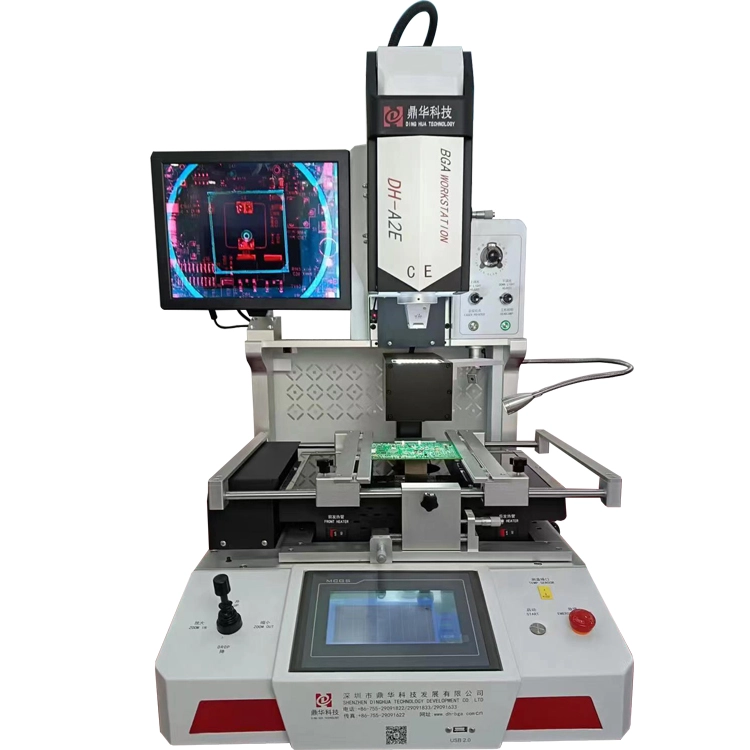
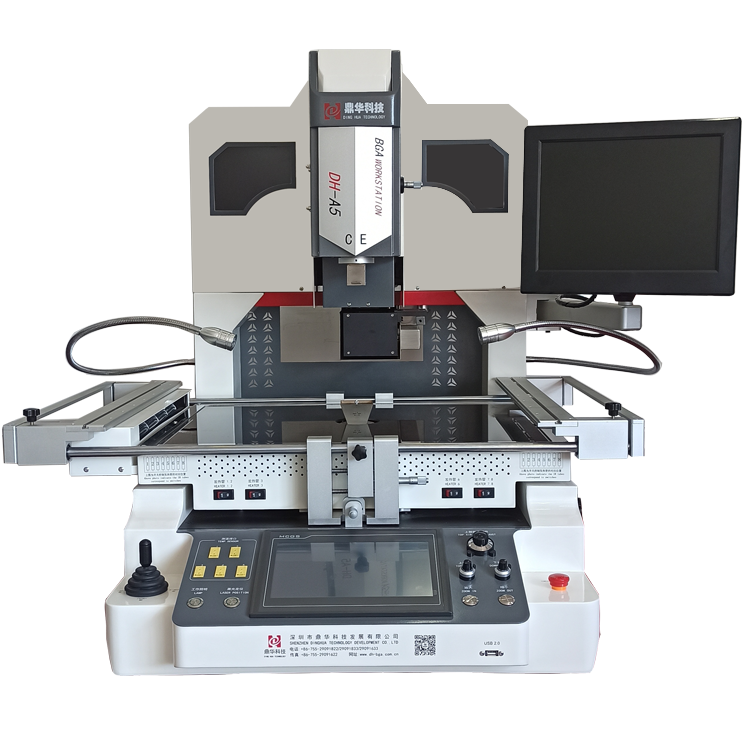
Modern BGA rework stations come equipped with **user-friendly features** designed to enhance the technician's experience. Touchscreen interfaces, programmable profiles, and real-time monitoring of temperature and pressure settings make operating these machines straightforward, even for less experienced staff. Furthermore, many models include built-in safety features to prevent overheating and component damage, making them suitable for technicians of all skill levels.
Best Practices for Using BGA Rework Stations
To maximize the benefits of BGA rework stations, it is essential to follow best practices. Here are some guidelines to consider:
1. **Regular Training**: Ensure that all technicians receive training on using the rework station effectively.
2. **Maintain Equipment**: Regularly inspect and maintain the machines to prevent breakdowns and ensure optimal performance.
3. **Use Quality Materials**: Always use high-quality solder and replacement components to ensure the best results.
4. **Follow Manufacturer Guidelines**: Adhere to the manufacturer's instructions for operating the equipment to avoid damage and ensure safety.
5. **Document Repairs**: Keep detailed records of repairs performed, which can help with future maintenance and quality control.
Real-World Case Studies
Examining real-world examples can highlight the effectiveness of BGA rework stations in service operations. For instance, a prominent electronics repair center implemented BGA rework stations and reported a 30% reduction in repair times. This improvement allowed the center to expand its service offerings and cater to a larger customer base. Another case study revealed that a manufacturing plant saw a significant reduction in defective products, attributing this success to the precise repairs made possible by their BGA rework stations.
Future Trends in BGA Rework Technology
As technology continues to evolve, so will BGA rework stations. Future trends may include the integration of artificial intelligence for predictive maintenance, enhanced automation to reduce manual input, and improved connectivity for real-time performance tracking. These advancements will continue to revolutionize service operations, making BGA rework stations an indispensable part of the maintenance and repair landscape.
Frequently Asked Questions
1. What is a BGA rework station?
A BGA rework station is specialized equipment designed for the repair and replacement of Ball Grid Array components on circuit boards.
2. Why are BGA rework stations important in service operations?
They provide enhanced accuracy, improved efficiency, and cost-effectiveness, ultimately leading to better service quality and customer satisfaction.
3. How do BGA rework stations improve repair times?
Their user-friendly interfaces and automated processes allow technicians to execute repairs more quickly and with greater precision than traditional methods.
4. Can BGA rework stations handle different types of components?
Yes, BGA rework stations are versatile and can accommodate a wide range of BGA sizes and types, making them suitable for various applications.
5. What maintenance is required for BGA rework stations?
Regular inspections, cleaning, and adherence to manufacturer guidelines are necessary to keep the equipment in optimal working condition.
Conclusion
Incorporating BGA rework stations into service operations presents a multitude of benefits, from enhanced accuracy to improved efficiency and cost-effectiveness. As technology advances, these tools will continue to evolve, providing even greater advantages to businesses in the industrial equipment maintenance and installation sector. By embracing this technology, service providers can elevate their operations, meet the demands of modern electronics, and ensure long-term success in a competitive landscape.
Keywords:

Related News
DH Xray PCB Inspection Machine: High Precision Defect Detection for 2026 Electronics Manufacturing
This complete guide covers core features, benefits, use cases, and performance comparisons of DH Xray PCB inspection machines, based on 2026 hands-on testing data from real electronics manufacturing lines. We share practical insights to help you decide if this solution fits your quality control needs, and answer the most common questions users ask.
DH Xray PCB Inspection Machine: High Precision Non-Destructive Testing 2026
This comprehensive guide explains everything you need to know about DH Xray pcb inspection machine, including core functions, key benefits, performance comparison with traditional inspection methods, common application scenarios, and answers to frequently asked questions. We share real testing experience and 2026 industry data to help you make an informed purchasing decision for your PCB production line.
DH Xray pcb inspection machine: High Precision NDT for 2026 Electronics Quality Control
This complete guide breaks down everything you need to know about the DH Xray pcb inspection machine from Dinghua Technology, a leading global supplier of BGA rework stations and X-ray inspection equipment. We cover core capabilities, real-world performance data, common use cases, and answer top industry questions based on 2026 testing and client results.

Industrial X-Ray Machine: 2026 Complete Guide for NDT Inspection & Selection
This 2026 expert guide covers everything you need to know about Industrial X-Ray Machines, from core working principles and common industry applications to key selection criteria, maintenance best practices, and transparent 2026 pricing data. Drawing from over 15 years of hands-on manufacturing and testing experience at Dinghua Technology, we answer the most common questions and provide actionable insights to help you make a confident purchasing decision.


Contact Us
> Tel: +8615768114827 /+86-755-29091822
> Fax: +86-0755-29091622
> Email: John@dh-kc.com
> Address: 4th Floor, Building 6B, Shengzuozhi Technology Park, Xinqiao(518125),Bao'an,Shenzhen, Guangdong, China.

Copyright © 2024 Shenzhen Dinghua Innovation Technology Co., Ltd. All Rights Reserved.