Professional Equipment Manufacturer


 Esperanto
 Shqiptare
 Euskara
 Zulu
Zulu
 Latinus
 Cymraeg
 தமிழ்
தமிழ்
 Slovak
 Slovak
 Afrikaans


A Comprehensive Beginner's Guide to Efficient BGA Rework Machine Operation
2024-12-01
A Beginner's Guide to BGA Rework Machine Operation
Table of Contents
- 1. Introduction to BGA Rework Machines
- 2. Essential Components of BGA Rework Machines
- 3. Understanding BGA Technology
- 4. Preparation for BGA Rework
- 5. Step-by-Step BGA Rework Process
- 6. Common Challenges in BGA Rework
- 7. Maintenance and Care for BGA Rework Machines
- 8. Frequently Asked Questions
1. Introduction to BGA Rework Machines
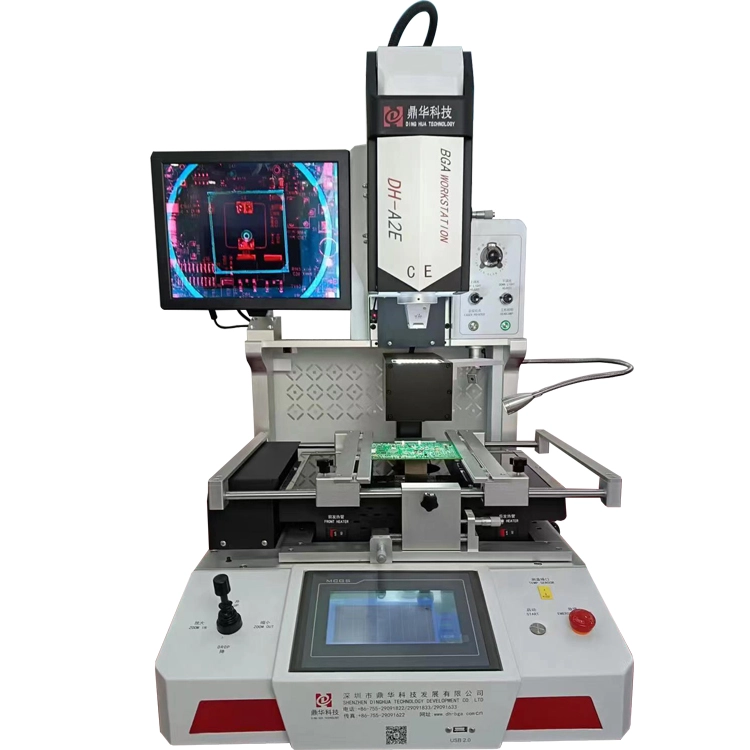
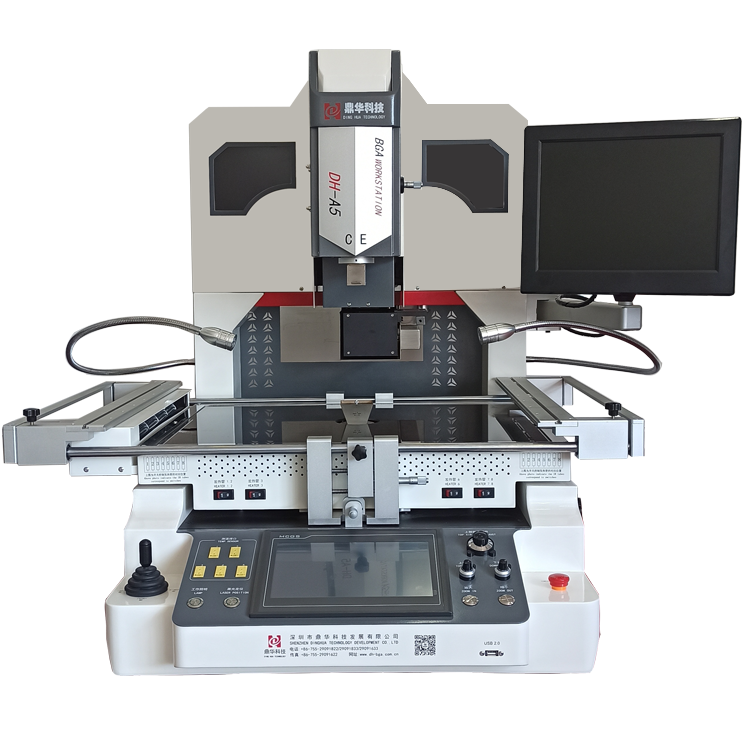
BGA rework machines are specialized tools that facilitate the repair and installation of Ball Grid Array components on printed circuit boards (PCBs). These machines play a vital role in the electronics manufacturing industry, where precision and reliability are paramount. Unlike traditional soldering methods, BGA rework machines use advanced techniques such as hot air and infrared heating to ensure accurate component placement and soldering.
2. Essential Components of BGA Rework Machines
Understanding the essential components of a BGA rework machine is crucial for effective operation. Key components include:
Heating Element
The heating element is responsible for melting the solder balls beneath the BGA component. Machines may use hot air, infrared lamps, or a combination of both.
Vacuum Pick-Up Tool
This tool is essential for accurately placing and removing BGA components without damaging them.
Vision System
Many modern BGA rework machines come with integrated vision systems that aid in aligning components with precision. This feature greatly enhances the accuracy of the rework process.
Control Panel
The control panel is the operator's interface, allowing users to set temperatures, timing, and other parameters critical to successful rework.
3. Understanding BGA Technology
BGA technology has revolutionized the electronics industry, allowing for higher packing densities and improved thermal performance. Understanding how BGA packages differ from traditional component packages is essential for effective machine operation. BGA components feature an array of solder balls arranged in a grid pattern, which provides electrical connections to the PCB.
4. Preparation for BGA Rework
**Preparation** is critical for successful BGA rework. Follow these steps to ensure optimal results:
Assess the PCB Condition
Evaluate the PCB for damage, including cracked traces or broken components. Address any issues before proceeding with the BGA rework.
Gather Necessary Tools
Ensure you have all the essential tools, including the BGA rework machine, soldering supplies, and safety equipment.
Establish a Clean Work Environment
A clean workspace reduces the risk of contamination and ensures the highest quality of work. Remove any unnecessary items from the work area.
5. Step-by-Step BGA Rework Process
The BGA rework process can be broken down into several key steps:
Step 1: Remove the Defective BGA Component
Using the vacuum pick-up tool, carefully lift the defective BGA component from the PCB. Ensure that you do not damage surrounding components.
Step 2: Clean the PCB Pads
After removing the BGA component, clean the PCB pads to remove any residual solder. This can be done using a solder wick or desoldering pump.
Step 3: Apply Solder Paste
Apply an appropriate amount of solder paste to the cleaned pads. Ensure even distribution to promote a secure bond.
Step 4: Position the New BGA Component
Using the vacuum pick-up tool, carefully position the new BGA component onto the solder paste, ensuring proper alignment.
Step 5: Initiate the Rework Machine
Set the temperature and timing parameters on the control panel of the BGA rework machine. Initiate the operation and monitor the process closely.
Step 6: Inspect the Solder Joint
Once the rework process is complete, inspect the solder joints using a magnifying tool. Ensure there are no cold solder joints or bridging.
6. Common Challenges in BGA Rework
Even experienced technicians may encounter challenges during BGA rework. Common issues include:
Temperature Control
Maintaining the correct temperature is critical. Too high a temperature can damage the PCB, while too low may lead to insufficient solder flow.
Alignment Issues
Misalignment can occur during component placement, leading to poor electrical connections. Utilizing a vision system can help mitigate this risk.
7. Maintenance and Care for BGA Rework Machines
Regular maintenance of BGA rework machines is essential to ensure longevity and optimal performance.
Routine Cleaning
Clean the machine's components regularly to prevent dust and debris buildup, which can affect operation.
Calibration
Periodically calibrate the machine to ensure accurate temperature and timing settings.
Part Replacement
Replace worn-out parts, such as heating elements and nozzles, to maintain the machine’s efficiency.
8. Frequently Asked Questions
What types of BGA rework machines are available?
BGA rework machines come in various types, including manual, semi-automatic, and fully automatic systems. Each type offers different levels of precision and ease of use.
Can I perform BGA rework without a machine?
While it is technically possible to perform BGA rework without a specialized machine, using one significantly increases the likelihood of success and reduces the risk of damage.
How do I store BGA components safely?
Store BGA components in anti-static packaging and keep them in a controlled environment to prevent damage from humidity and static electricity.
What are the indications that a BGA component needs replacement?
Common signs include visible damage, performance issues, or failure during electrical testing.
Is training required to operate a BGA rework machine?
While basic operation can be learned quickly, formal training is recommended to understand best practices and avoid common pitfalls in the rework process.
Conclusion
In conclusion, mastering BGA rework machine operation is essential for anyone involved in the maintenance and repair of industrial electronics. By understanding the components, processes, and potential challenges associated with BGA rework, technicians can ensure high-quality repairs that meet industry standards. Investing time in proper training and adhering to maintenance best practices will further enhance efficiency and reliability in BGA rework operations. With this guide, you are now equipped with the foundational knowledge to begin your journey in BGA rework machine operation.
Keywords:

Related News
DH Xray PCB Inspection Machine: High Precision Defect Detection for 2026 Electronics Manufacturing
This complete guide covers core features, benefits, use cases, and performance comparisons of DH Xray PCB inspection machines, based on 2026 hands-on testing data from real electronics manufacturing lines. We share practical insights to help you decide if this solution fits your quality control needs, and answer the most common questions users ask.
DH Xray PCB Inspection Machine: High Precision Non-Destructive Testing 2026
This comprehensive guide explains everything you need to know about DH Xray pcb inspection machine, including core functions, key benefits, performance comparison with traditional inspection methods, common application scenarios, and answers to frequently asked questions. We share real testing experience and 2026 industry data to help you make an informed purchasing decision for your PCB production line.
DH Xray pcb inspection machine: High Precision NDT for 2026 Electronics Quality Control
This complete guide breaks down everything you need to know about the DH Xray pcb inspection machine from Dinghua Technology, a leading global supplier of BGA rework stations and X-ray inspection equipment. We cover core capabilities, real-world performance data, common use cases, and answer top industry questions based on 2026 testing and client results.

Industrial X-Ray Machine: 2026 Complete Guide for NDT Inspection & Selection
This 2026 expert guide covers everything you need to know about Industrial X-Ray Machines, from core working principles and common industry applications to key selection criteria, maintenance best practices, and transparent 2026 pricing data. Drawing from over 15 years of hands-on manufacturing and testing experience at Dinghua Technology, we answer the most common questions and provide actionable insights to help you make a confident purchasing decision.


Contact Us
> Tel: +8615768114827 /+86-755-29091822
> Fax: +86-0755-29091622
> Email: John@dh-kc.com
> Address: 4th Floor, Building 6B, Shengzuozhi Technology Park, Xinqiao(518125),Bao'an,Shenzhen, Guangdong, China.

Copyright © 2024 Shenzhen Dinghua Innovation Technology Co., Ltd. All Rights Reserved.