Professional Equipment Manufacturer


 Esperanto
 Shqiptare
 Euskara
 Zulu
Zulu
 Latinus
 Cymraeg
 தமிழ்
தமிழ்
 Slovak
 Slovak
 Afrikaans


How to Drastically Reduce Voids in BGA Soldering Using X-ray Inspection
2026-09-23
- Reduced Mechanical Strength: Makes the solder joints susceptible to cracking under vibration or drop tests.
- Poor Thermal Conductivity: Traps heat inside the BGA, leading to localized overheating and premature chip failure.
- Intermittent Electrical Failures: Causes signal degradation or complete open circuits over time.
[ X-ray Source ] ──► [ PCB / BGA Chip ] ──► [ Digital Image Detector ]
                           │                        │
                    (Low Density Area)       (High Density Solder)
                           ▼                        ▼
                     Appears Lighter          Appears Darker (Voids show as light spots)
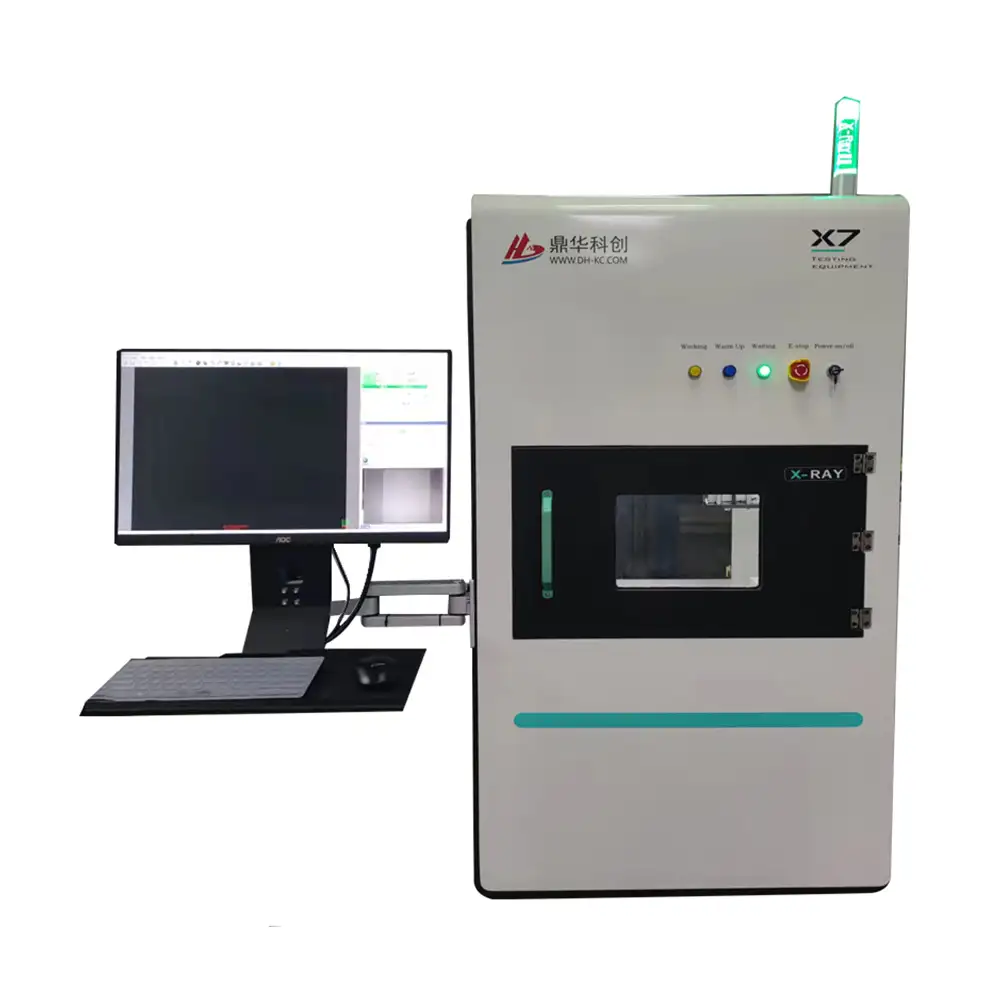
- Automated Void Area Calculation (AXI): Modern X-ray systems, such as the Dinghua DH-X7, feature intelligent software that automatically identifies every single BGA solder ball and calculates the exact void percentage instantly.
- Reflow Profile Fine-Tuning: If your X-ray inspection logs show consistent voiding across a specific batch, it is a clear indicator to adjust your reflow oven’s soak zone time and peak temperatures to allow gases to escape safely before the solder solidifies.
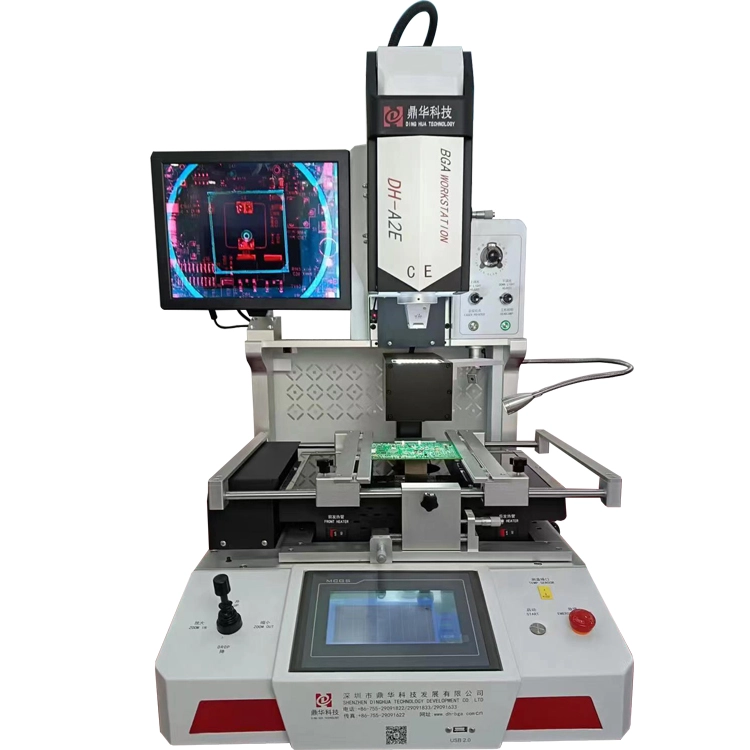
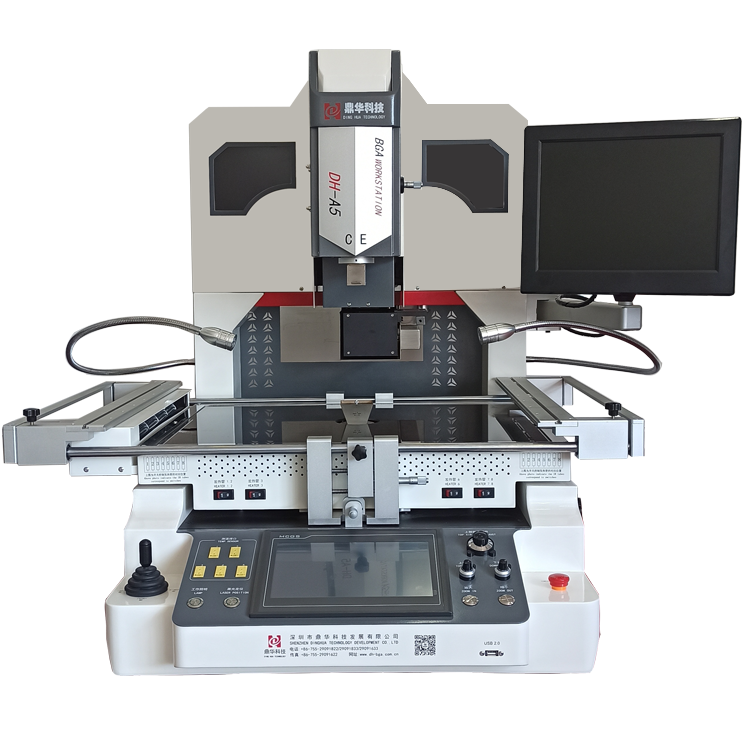
- Synergy with Rework Equipment: When the X-ray machine flags a board with critical voiding, it can be routed directly to an automatic BGA rework station for safe desoldering, re-balling, and precise re-mounting without scrapping the entire PCB assembly.
- Contact Dinghua today to see a free X-ray inspection sample report using your own boards!
- Explore our full range of [Industrial X-ray Inspection Machines] or [Advanced BGA Rework Systems] to upgrade your production capabilities.
Keywords:

Related News

2026 Complete Guide: What Is Nondestructive Testing Equipment & How to Choose
This comprehensive guide for 2026 covers core knowledge about Nondestructive Testing Equipment, including definitions, common types, key selection criteria, industry applications, and answers to frequently asked questions. Drawing from over 10 years of manufacturing X-ray NDT equipment for electronics manufacturing, we share real testing data and industry insights to help you make informed purchasing decisions.

How to Drastically Reduce Voids in BGA Soldering Using X-ray Inspection
Among all assembly defects, BGA soldering voids are the most critical threat to electronic product reliability. In this article, we’ll explore how industrial X-ray inspection machines can help you detect, calculate, and eliminate these hidden defects to safeguard your product quality.

High-Precision Chip-Level Repair Solution for Advanced Electronics Manufacturing
The DH-A6 Automatic BGA Rework Station is Dinghua’s flagship industrial-grade solution designed for high-yield, high-precision desoldering, mounting, and soldering of various SMT components. Whether you are reworking heavy multi-layer PCBs, server motherboards, automotive electronics, or miniature smartphone chips, the DH-A6 delivers unmatched thermal stability and alignment accuracy to eliminate human error and boost your production line's ROI.

2026 Industrial X-Ray Machine Buying Guide: 7 Core Factors to Save Cost & Avoid Mistakes
This Industrial X-Ray Machine Buying Guide is tailored for procurement teams, NDT technicians, and production managers planning to purchase industrial x-ray inspection equipment in 2026. Drawing on 12 years of hands-on manufacturing and testing experience from Dinghua Technology, a leading supplier of BGA rework stations and industrial x-ray machines, this guide covers core selection steps, performance comparisons, and answers to common questions to simplify your buying journey.


Contact Us
> Tel: +8615768114827 /+86-755-29091822
> Fax: +86-0755-29091622
> Email: John@dh-kc.com
> Address: 4th Floor, Building 6B, Shengzuozhi Technology Park, Xinqiao(518125),Bao'an,Shenzhen, Guangdong, China.

Copyright © 2024 Shenzhen Dinghua Innovation Technology Co., Ltd. All Rights Reserved.