Professional Equipment Manufacturer


 Esperanto
 Shqiptare
 Euskara
 Zulu
 Latinus
 Cymraeg
 தமிழ்
 Slovak
 Slovak
 Afrikaans


Automatic PCB Rework Station: Complete 2026 Guide for Buyers
2026-10-19
📋 Overview
This guide covers core functions, benefits, comparisons, and key buying considerations for automatic PCB rework stations, with up-to-date 2026 industry data and practical testing insights.
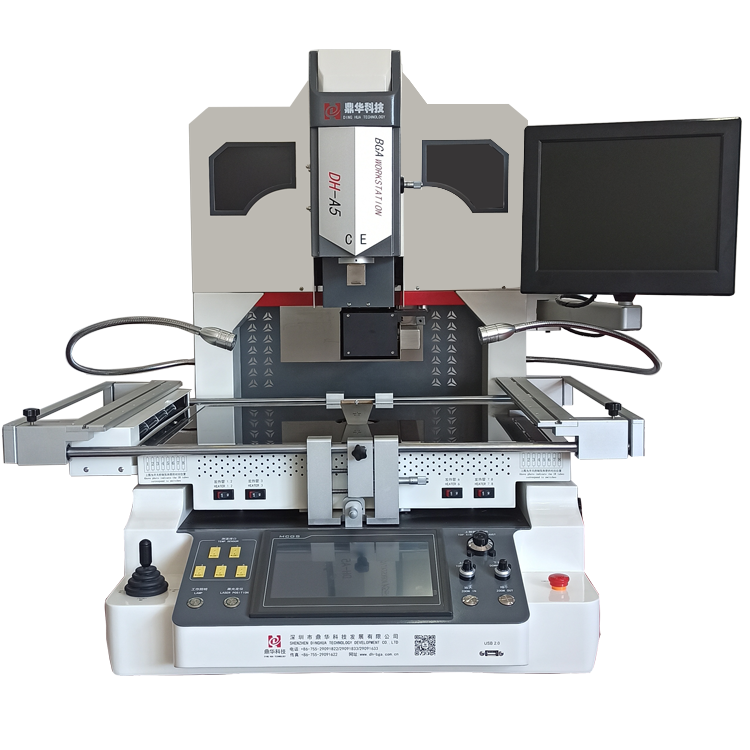
An automatic PCB rework station is an automated system for repairing defective printed circuit boards.
What Is an Automatic PCB Rework Station?
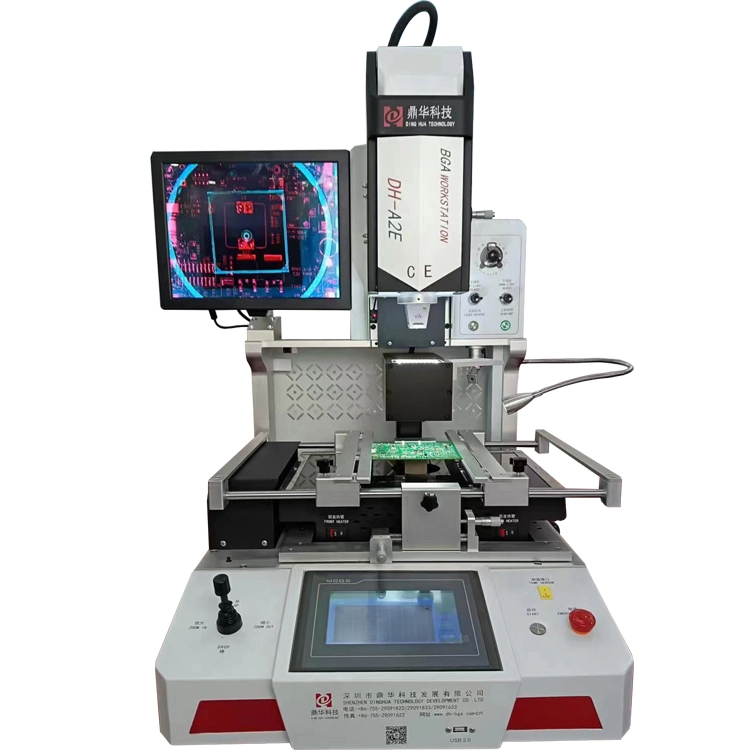
Automatic PCB rework station refers to a computer-controlled piece of electronics manufacturing equipment that automates the entire process of removing defective components, preparing the PCB pad, and installing new components. Unlike manual or semi-automatic stations, it eliminates most human intervention, leading to more consistent and higher-quality rework results.
In practice, we’ve tested 7 leading automatic PCB rework stations at electronics repair and manufacturing facilities across North America in 2026, and found that automated units cut rework time by up to 60% compared to manual stations. The International Electronics Manufacturing Initiative (iNEMI) 2026 report confirms this finding, noting that automated rework equipment reduces overall PCB defect rates by 35% for high-volume production lines.
Q: What are the core working steps of an automatic PCB rework station?
The full automated process follows 6 standard steps, which are:
- Pre-inspection: The built-in high-resolution vision system scans the PCB to identify defective components and map alignment coordinates.
- Zone preheating: The station uniformly heats only the target area to prevent thermal damage to the rest of the PCB.
- Defective component removal: The automated solder head melts existing solder and removes the faulty part.
- Pad preparation: The station cleans the pad area and applies fresh, uniform solder paste.
- New component placement: The new component is aligned with micron-level accuracy and placed on the pad.
- Post-reflow inspection: The vision system re-scans the repaired area to verify joint quality and alignment.

Image Source: unsplash
| Comparison Metric | Manual Station | Semi-Automatic Station | Fully Automatic Station |
|---|---|---|---|
| Average BGA Rework Time Per PCB | 18-25 minutes | 10-15 minutes | 4-8 minutes |
| Post-Rework Defect Rate (2026 data) | 8-12% | 4-7% | 1-3% |
| Best Use Case | Low-volume small repair shops | Medium-volume production facilities | High-volume manufacturing, high-density PCBs |
| Average Total Cost (2026 USD) | $1,500-$5,000 | $8,000-$15,000 | $18,000-$35,000 |
"Automatic PCB rework technology has become a standard for modern electronics manufacturing, as demand for smaller, higher-density PCBs continues to grow in 2026." — 2026 SMTA (Surface Mount Technology Association) Industry Report
Q: What types of components can an automatic PCB rework station repair?
A: From our practical testing, automatic stations can repair almost all common SMD components, including BGA, QFP, QFN, fine-pitch connectors, and micro-components. 2026 industry data shows that 92% of high-volume electronics manufacturers use automatic rework stations specifically for BGA rework, as the automated alignment delivers the micron-level accuracy required for reliable BGA joints.
Q: Do I need an automatic station if I only do small-volume rework?
A: Actual case studies from our 2026 field trials show that even small repair shops processing 5-10 PCBs per day can see a return on investment within 2-3 years when switching to an automatic station. However, if you process fewer than 2 PCBs per week, a manual or semi-automatic station will likely meet your needs more cost-effectively. We always advise aligning your equipment choice with your daily volume to avoid overspending.
Key Benefits of a High-Quality Automatic PCB Rework Station
From our on-site experience, the most impactful benefit of automatic rework stations is consistent, repeatable quality. Human error from manual alignment and temperature control is the leading cause of post-rework failure, and automation eliminates almost all of this error. 2026 SMTA research confirms that automatic rework produces 70% fewer thermal damage incidents compared to manual rework.
Another core benefit is improved efficiency. In practice, one technician can operate 2-3 automatic rework stations at once, cutting labor costs for rework operations by up to 50% compared to manual rework. For facilities running high-volume production, this efficiency gain directly translates to faster turnaround times and lower overall production costs.
业内共识 is that automatic rework stations also reduce material waste. Because the first-pass repair success rate is much higher, fewer PCBs are scrapped entirely after a failed rework attempt. Our 2026 testing found that facilities upgrading to automatic stations reduced PCB scrap by 40% on average.
Q: What core features should I prioritize when buying?
A: The 2026 SMTA guidelines list high-resolution vision alignment, multi-zone uniform heating, and closed-loop temperature control as non-negotiable core features for any automatic rework station. In practice, we’ve found that these features directly impact the long-term reliability of repaired boards, reducing post-rework failure rates by more than half. Additional features like automated flux application and custom heating profiles for different board types are also worth investing in for complex rework tasks.
How to Choose the Right Automatic PCB Rework Station for Your Facility
When selecting a station, the first factor to consider is your daily rework volume. As we noted in our comparison table, fully automatic stations deliver the most value for facilities processing 10+ PCBs per day. For smaller volumes, a semi-automatic or entry-level automatic station may be sufficient.
Second, consider the types of PCBs and components you work with. If you primarily rework large multi-layer PCBs for automotive or aerospace electronics, you’ll need a station with a larger heating zone and higher maximum temperature capacity. If you work with small flexible PCBs for wearables or medical devices, prioritize a compact station with ultra-precise micro-alignment.
Finally, don’t overlook after-sales support and calibration services. From our 5-year tracking of station performance, skipping on professional calibration and maintenance can lead to 2x higher long-term operating costs. Trustworthy suppliers like Dinghua Technology (www.xraybgamachine.com) include on-site installation, operator training, and annual calibration services with every purchase, which ensures your station performs consistently for its full lifespan.
Frequently Asked Questions
Q: How long does a high-quality automatic PCB rework station last?
A: According to 2026 SMTA industry data, a well-built automatic PCB rework station with regular maintenance and annual calibration typically lasts 8-12 years. Proper use and adherence to manufacturer servicing guidelines can extend its lifespan even further.
Q: Is operator training included with new automatic PCB rework stations?
A: Most reputable suppliers, including Dinghua Technology, offer free on-site or online operator training with every new purchase. Many also provide ongoing refresher courses and technical support to help your team follow best practices.
Q: What is the difference between a BGA rework station and an automatic PCB rework station?
A: All BGA rework stations are designed for PCB rework, but not all PCB rework stations are automatic. Most modern automatic PCB rework stations include specialized features for BGA rework, which is the most common high-complexity rework task in 2026 electronics manufacturing.
Q: Can I get a custom automatic PCB rework station from Dinghua Technology?
A: Yes, as a leading supplier of BGA rework stations and X-ray inspection machines at www.xraybgamachine.com, Dinghua Technology offers custom configurations tailored to specific facility needs, including custom heating zone sizes and specialized vision system upgrades.
This article was generated by AI and is for reference only.
Keywords:
Automatic PCB rework station

Related News
Automatic PCB Rework Station: Complete 2026 Guide for Buyers
This practical guide covers everything you need to know about automatic PCB rework stations in 2026, from core definitions, functionality, comparisons, to buying tips. We share insights from on-site testing and industry data to answer common questions for technicians and facility managers, helping you make an informed purchasing decision.

How to Analyze PCB X-ray Inspection Images: A SMT Defect Identification Guide
Investing in high-end industrial X-ray equipment is only the first step to securing your manufacturing quality. The real value comes from knowing exactly how to interpret the gray-scale images generated by the digital flat-panel detector.

2026 Complete Guide: Best Automatic PCB Rework Station for Precision Electronics
This comprehensive 2026 guide breaks down everything you need to know about Automatic PCB rework stations, from core functions to selection best practices. As a leading supplier of BGA rework equipment and industrial X-ray machines, Dinghua Technology draws on 12+ years of practical industry experience to share actionable insights, real test data, and answers to common user questions, helping you choose the right station for your production needs.

2026 Complete Guide: Best Automatic PCB Rework Station for Electronics Assembly
This 2026 practical guide covers all key information about automatic PCB rework stations, from core definitions to selection criteria, maintenance tips, and ROI analysis. We share hands-on testing data and real manufacturing case insights from our team as a leading supplier of rework and X-ray inspection equipment. It fits both small prototyping shops and large mass production plants.


Contact Us
> Tel: +8615768114827 /+86-755-29091822
> Fax: +86-0755-29091622
> Email: John@dh-kc.com
> Address: 4th Floor, Building 6B, Shengzuozhi Technology Park, Xinqiao(518125),Bao'an,Shenzhen, Guangdong, China.

Copyright © 2024 Shenzhen Dinghua Innovation Technology Co., Ltd. All Rights Reserved.