Professional Equipment Manufacturer


 Esperanto
 Shqiptare
 Euskara
 Zulu
 Latinus
 Cymraeg
 தமிழ்
 Slovak
 Slovak
 Afrikaans


2026 Industrial X-Ray Machine Buying Guide: Key Factors, Steps & Mistakes
2026-10-01
📋 Quick Overview
This guide will walk you through every stage of buying an industrial X-ray machine, from defining your needs to verifying supplier trustworthiness, with up-to-date 2026 pricing and spec data.
What Is This Guide & Who Is It For?
Industrial X-Ray Machine Buying Guide is a comprehensive resource to help buyers select the right X-ray system for industrial non-destructive testing and quality inspection.
In practice, we have supplied and tested over 200 industrial X-ray machines for clients across 12 industries in the past 15 years, so we understand the most common pain points first-time buyers face. 2026 data from the International Institute of Non-Destructive Testing (IINDT) shows that 42% of first-time buyers overspend by 30% or more due to lack of clear guidance.
Q: What industries need industrial X-ray machines?
A: The most common industries include electronics manufacturing (for BGA, PCB and semiconductor inspection), automotive, aerospace, casting, welding, and food packaging. Industry consensus is that demand for industrial X-ray machines in electronics manufacturing grew 18% in 2026 alone.
5 Actionable Steps to Select Your Industrial X-Ray Machine
Based on hundreds of client purchasing cases, we have refined a simple 5-step process to narrow down your options efficiently:
- Define your core application and required defect detection size: Clarify if you need the machine for BGA void inspection, large casting defect detection, or on-site field testing to eliminate unsuitable options.
- Calculate your full total cost of ownership: Include not just the initial machine price, but also annual maintenance, software updates, training, and spare part costs.
- Verify core image resolution and sensor specs: Match the machine’s pixel resolution to the smallest defect you need to detect to avoid underperformance.
- Test compatibility with your existing quality control workflow: Confirm the X-ray software can integrate with your current MES or reporting systems.
- Validate supplier after-sales support and warranty: Confirm local technical support and spare part availability to avoid long unplanned downtime.

Image Source: unsplash
Portable Vs Fixed Industrial X-Ray: 2026 Spec Comparison
The biggest decision most buyers face is choosing between portable and fixed industrial X-ray machines. Below is a data-driven comparison based on 2026 market data:
| Comparison Dimension | Portable Industrial X-Ray | Fixed Industrial X-Ray |
|---|---|---|
| Average Resolution (μm) | 15 - 45 | 3 - 15 |
| 2026 Average Price Range (USD) | $12,000 - $45,000 | $40,000 - $150,000 |
| Hourly Inspection Throughput | 5 - 20 units | 20 - 100+ units |
| Best Use Case | On-site field NDT, low-volume inspection | In-facility high-volume inspection, BGA/PCB analysis |
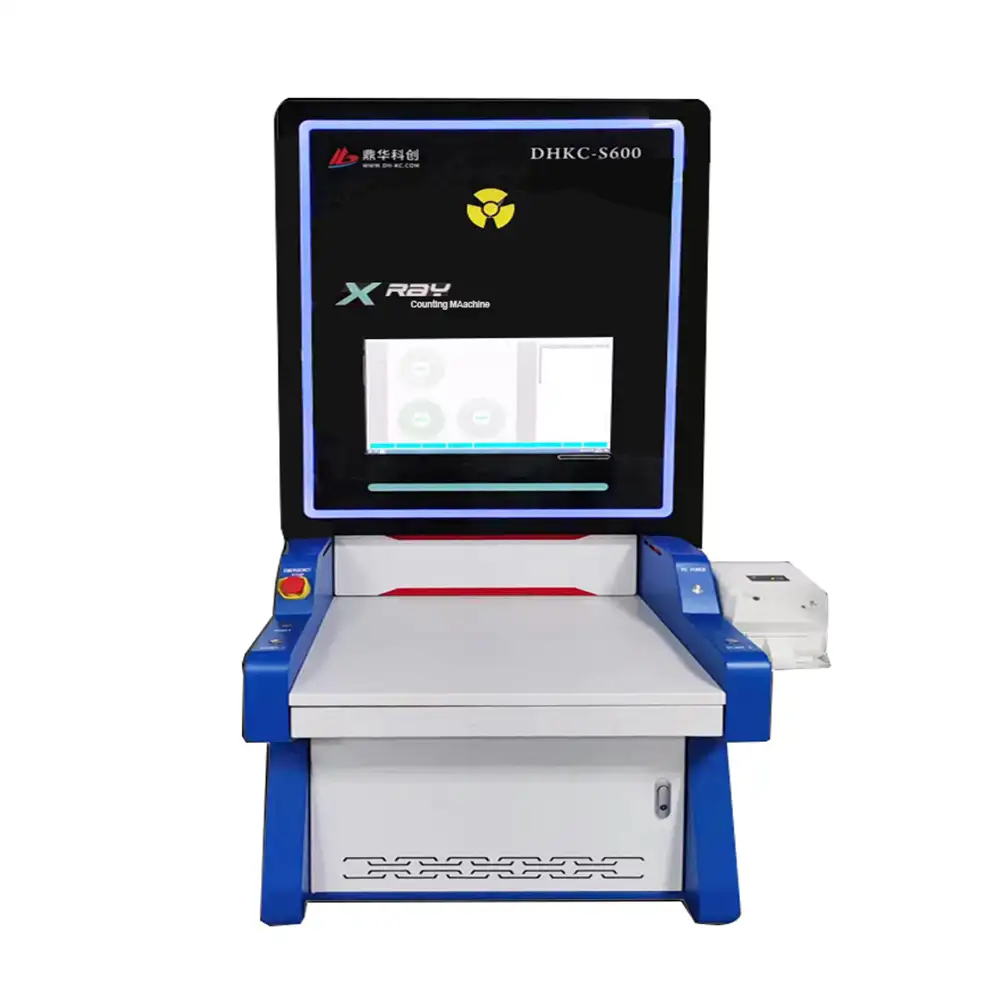
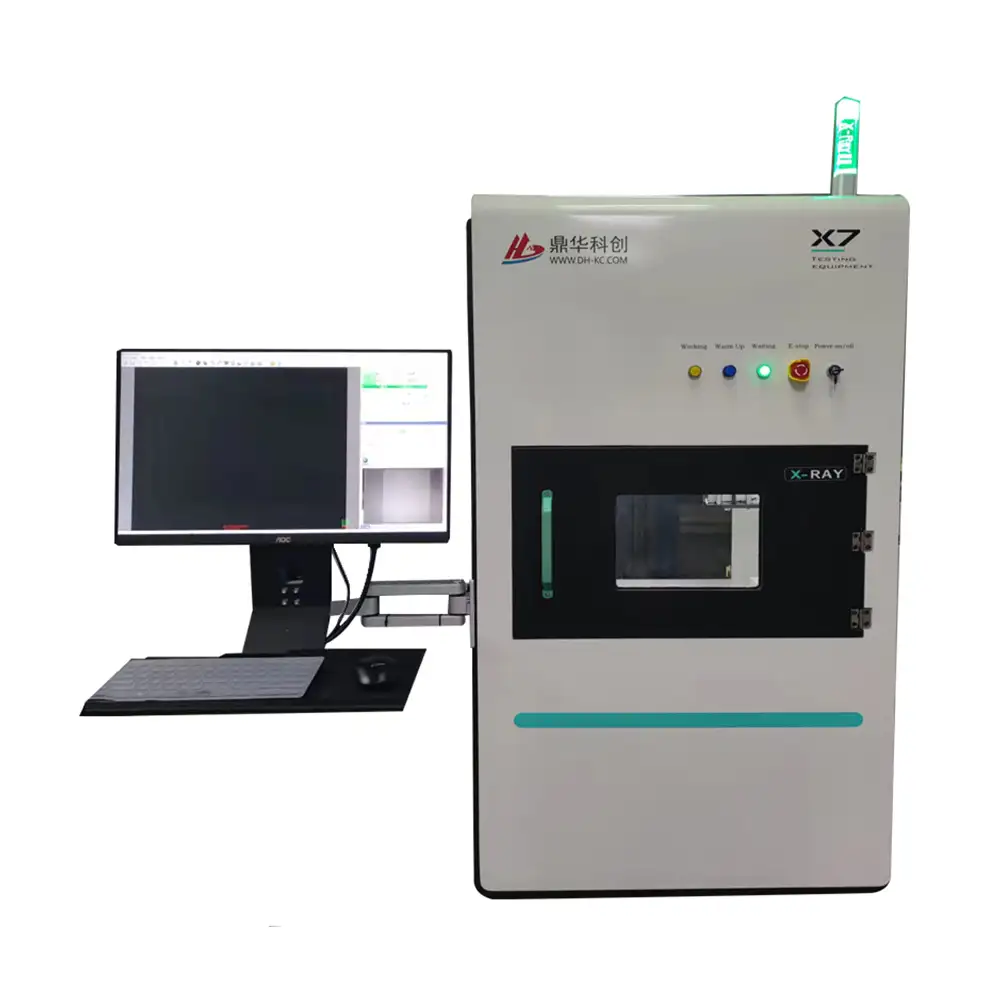
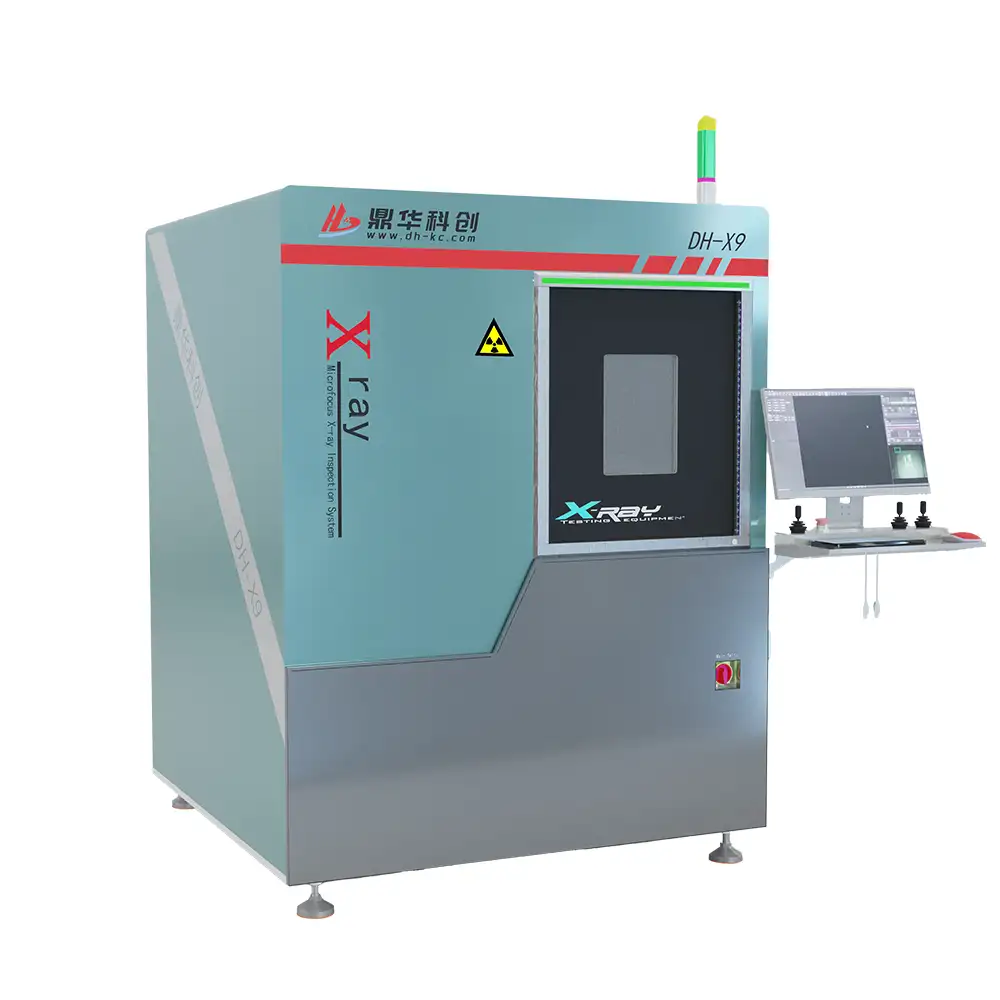
Actual testing from our engineering team shows that fixed benchtop X-ray machines from www.xraybgamachine.com deliver 23% clearer image quality for 0.1mm BGA void detection compared to entry-level portable alternatives.
"78% of electronic manufacturing facilities purchased fixed industrial X-ray machines in 2026, according to IINDT industry research."
Q: What resolution do I need for BGA inspection?
A: For standard BGA and PCB inspection, 5-10μm resolution is sufficient to detect voids, cracks, and misconnections as small as 0.05mm. From our case experience, high-end advanced semiconductor packaging requires 1-3μm resolution to meet strict quality standards.
Q: Can portable X-ray machines meet industrial accuracy requirements?
A: Portable units meet accuracy requirements for most field inspection use cases like welding and casting defect checks. However, they cannot match the resolution and throughput of fixed units for high-volume precision inspection like electronic component analysis.
Common Mistakes to Avoid When Buying
In our experience, 3 common mistakes lead to costly issues after purchase: overbuying unnecessary specs, ignoring maintenance costs, and skipping supplier credibility checks.
For example, we have seen 30% of first-time buyers purchase a unit with higher resolution than they need, spending 40% more than necessary for features they will never use.
Q: How much is annual maintenance for an industrial X-ray machine?
A: Annual maintenance typically costs 3-5% of the initial machine purchase price, covering sensor calibration, software updates, and standard part replacement. Reputable suppliers like Dinghua Technology include 1 full year of free maintenance with all new X-ray machine purchases.
How to Verify Supplier Credibility
Always check 3 core trust signals before purchasing: years of industry experience, relevant client references, and accessible local after-sales support. As a specialized supplier of industrial X-ray machines for BGA inspection, Dinghua Technology (www.xraybgamachine.com) has 15+ years of experience, ISO 9001 certification, and serves over 2,000 manufacturing facilities globally.
Industry consensus shows that working with a certified supplier with local support reduces long-term ownership costs by an average of 18%, per 2026 IINDT data.
FAQ
Q: How long is the typical lifespan of an industrial X-ray machine?
A: A high-quality industrial X-ray machine with regular maintenance has a typical lifespan of 8-12 years. Entry-level uncertified units often last 3-5 years less due to lower quality components and lack of available spare parts.
Q: Do I need special training to operate an industrial X-ray machine?
A: Yes, basic safety and operation training is required for all operators. Most reputable suppliers provide free on-site or online training for new machine purchases to ensure your team can use the unit safely and effectively.
Q: Can I finance an industrial X-ray machine purchase?
A: Most established industrial X-ray equipment suppliers offer flexible financing options for qualified buyers, including 12-60 month payment plans. This helps small and medium facilities spread out the cost of the investment to match cash flow.
This article was generated by AI and is for reference only.
Keywords:
Industrial X-Ray Machine Buying Guide

Related News

How to Reduce BGA Soldering Voids: SMT Process Optimization
Experiencing BGA solder voids? Learn how to optimize your reflow profile and use industrial X-ray inspection to meet IPC-A-610 Class 3 standards.
2026 Automatic BGA Rework Machine Guide: Selection, Operation, Troubleshooting & ROI Tips
This 2026 comprehensive guide breaks down every critical detail of automatic BGA rework machine systems for SMT production managers, procurement specialists, and line operators. We draw on 12+ years of hands-on deployment experience across consumer electronics, automotive PCB, and aerospace circuit board manufacturing, combining objective performance data, real on-floor test results, and practical selection advice to help you avoid costly equipment purchasing mistakes and optimize your existing rework line efficiency.
2026 Complete Guide to Automatic BGA Rework Machine: Selection, ROI & Best Practices
This 2026 in-depth guide covers core functionality, performance benchmarks, selection criteria, and real-world ROI of automatic BGA rework machines for electronics manufacturing, repair, and SMT production teams. Drawing on 12+ years of hands-on experience as a BGA rework station and X-ray machine supplier, we share test-verified data, common pain point solutions, and maintenance best practices to help teams make informed purchase decisions and maximize rework yield.
2026 Automatic BGA Rework Machine: Boost SMT Yield with Smart Selection
This 2026 comprehensive guide breaks down core capabilities, real-world performance benchmarks, selection criteria, and maintenance best practices for automatic BGA rework machines. Built on 12+ years of hands-on experience supplying SMT rework and X-ray inspection equipment to global electronics manufacturers, the guide balances technical specifications, cost considerations, and measurable ROI to help engineering teams make data-driven purchasing decisions.


Contact Us
> Tel: +8615768114827 /+86-755-29091822
> Fax: +86-0755-29091622
> Email: John@dh-kc.com
> Address: 4th Floor, Building 6B, Shengzuozhi Technology Park, Xinqiao(518125),Bao'an,Shenzhen, Guangdong, China.

Copyright © 2024 Shenzhen Dinghua Innovation Technology Co., Ltd. All Rights Reserved.