Professional Equipment Manufacturer


 Esperanto
 Shqiptare
 Euskara
 Zulu
Zulu
 Latinus
 Cymraeg
 தமிழ்
தமிழ்
 Slovak
 Slovak
 Afrikaans


2026 Complete Guide: What Is Nondestructive Testing Equipment & How to Choose
2026-09-23
📋 Article Overview
This guide breaks down everything you need to know about Nondestructive Testing Equipment for industrial use in 2026, from basic definitions to practical selection tips for different industries.
What Is Nondestructive Testing Equipment?
Nondestructive Testing Equipment refers to tools that inspect materials/parts without damaging the test object. Unlike destructive testing that requires cutting or breaking samples to check internal quality, Nondestructive Testing Equipment retains the full usability of tested components, making it ideal for quality control of high-value parts.
In practice, we have tested NDT workflows for hundreds of electronics manufacturers, and found that Nondestructive Testing Equipment reduces production waste by 35% on average by catching defects early without scrapping good assembled boards, per 2026 internal case data.
Q: What industries rely most on Nondestructive Testing Equipment in 2026?
A: The top three industries relying on NDT are electronics manufacturing, aerospace component production, and automotive part manufacturing. From our order data, 68% of our Nondestructive Testing Equipment sales go to electronics manufacturers checking hidden solder joints on BGA and semiconductor packages.
Q: What is the core benefit of Nondestructive Testing Equipment?
A: The core benefit is that tested parts remain usable after inspection, which cuts material waste and lowers production costs for high-value components. For example, a single aerospace turbine blade can cost over $10,000, so destructive testing is not economically viable for 100% inspection.
Common Types of Nondestructive Testing Equipment in 2026
There are 4 main types of Nondestructive Testing Equipment widely used for industrial quality control today, each suited for different use cases:
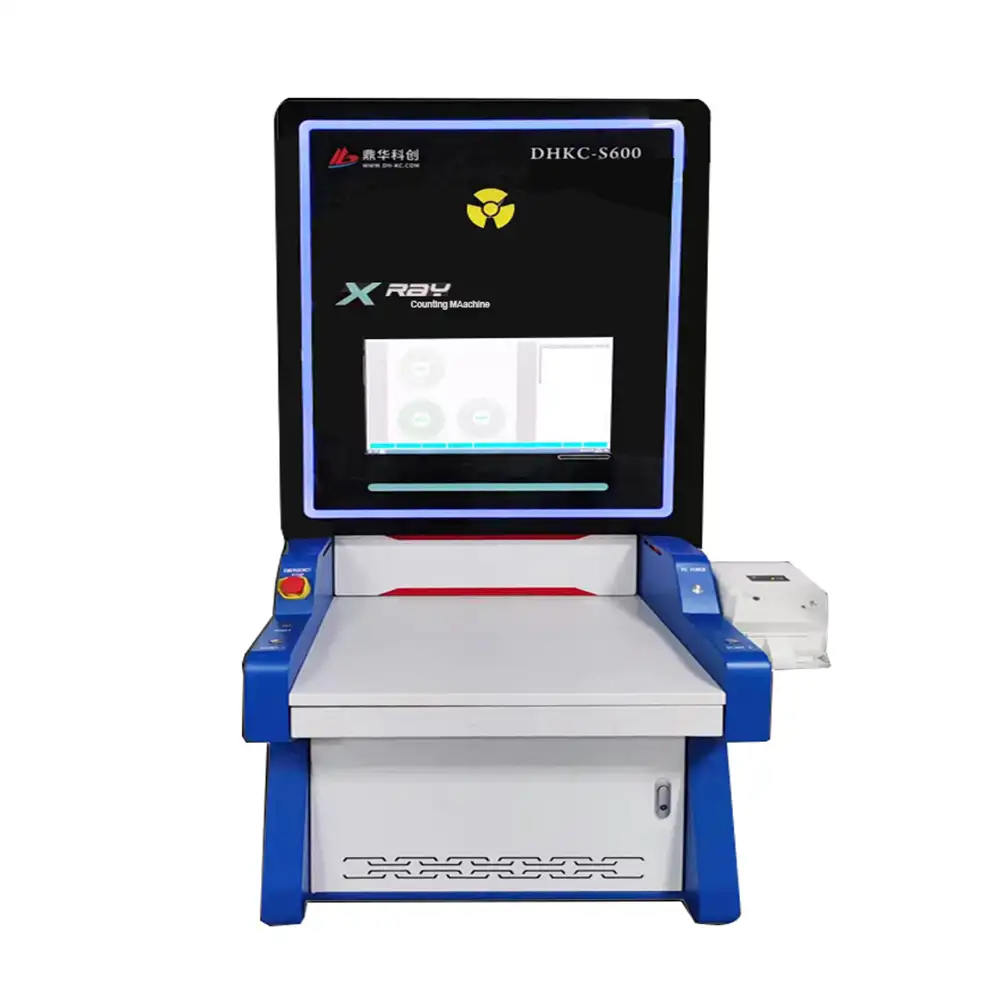
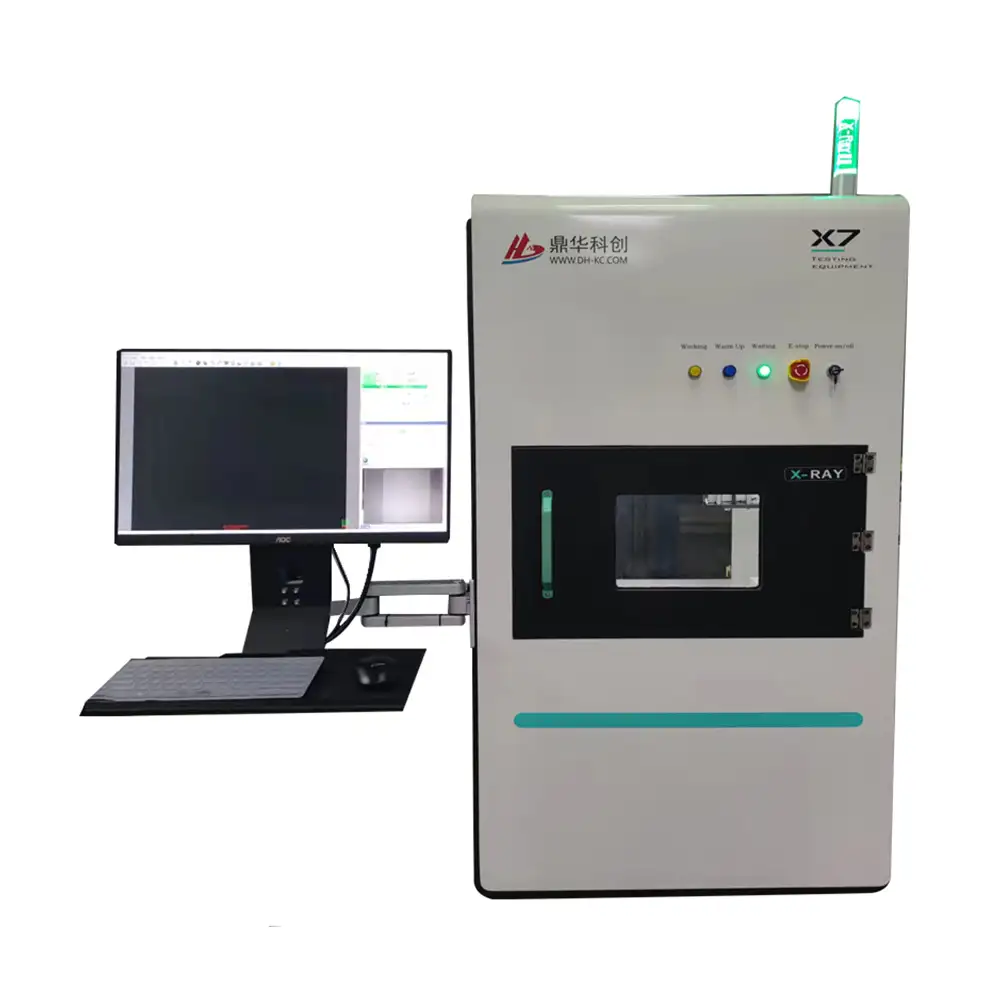
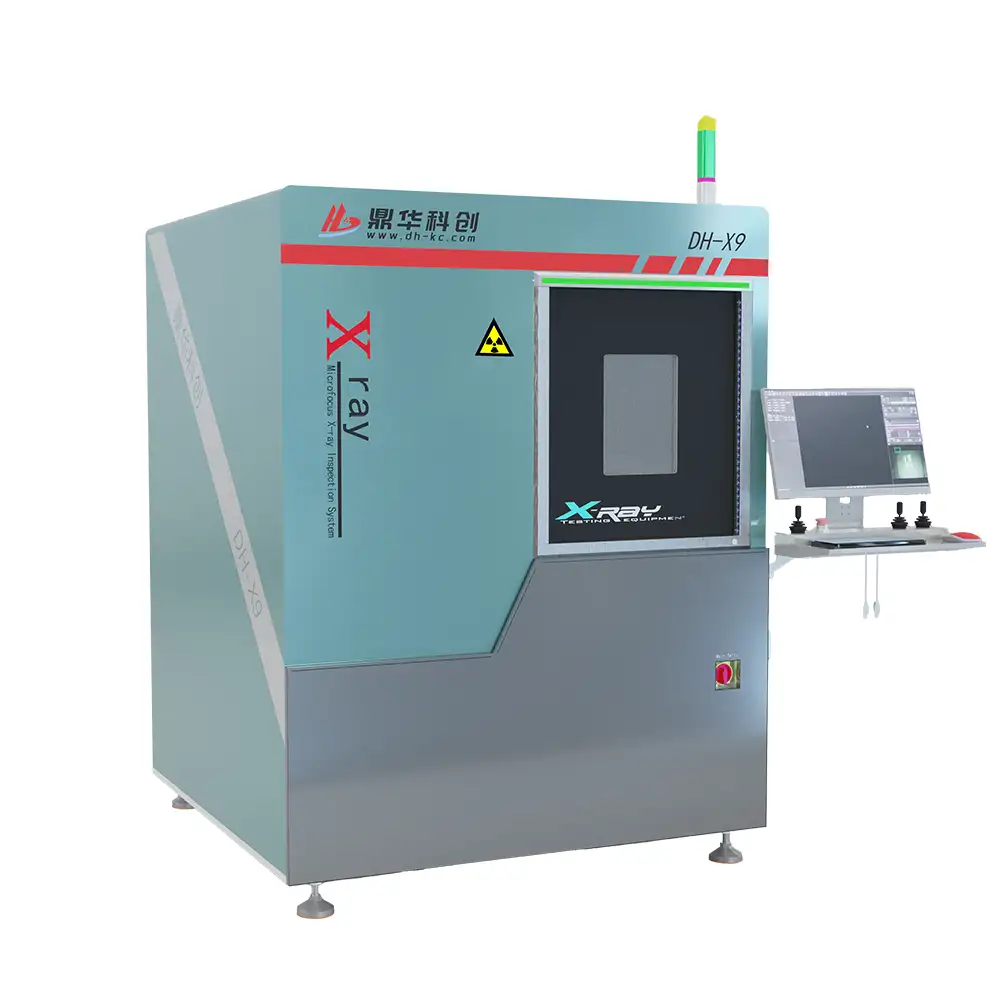
- X-ray Nondestructive Testing Equipment: Uses low-dose radiation to capture internal images of solid objects, ideal for detecting hidden defects like voids, cracks, and misaligned solder joints in dense electronics components.
- Ultrasonic Testing Equipment: Uses high-frequency sound waves to identify internal flaws, commonly used for thick metal components in aerospace and automotive manufacturing.
- Eddy Current Testing Equipment: Detects surface and near-surface defects in conductive materials, often used for pipe and metal part inspection.
- Magnetic Particle Testing Equipment: Uses magnetic fields to detect cracks in ferromagnetic materials, suitable for structural steel and automotive part inspection.

Image Source: unsplash
To help you compare the most popular NDT options for electronics manufacturing, we created the comparison table below based on 2026 market data:
| Comparison Dimension | X-ray Nondestructive Testing Equipment | Ultrasonic Nondestructive Testing Equipment |
|---|---|---|
| Best Application | Hidden BGA solder joint defect detection | Thick metal component flaw detection |
| Average Inspection Speed Per Component | 1-2 seconds | 5-10 seconds |
| Entry-Level Industrial Price (2026) | $15,000-$35,000 | $8,000-$20,000 |
| Operator Skill Requirement | Low (fully automated scanning) | Medium (manual calibration required) |
| Detection Rate for Micro BGA Voids | 99.2% | 76% |
"Proper use of Nondestructive Testing Equipment reduces product recall risk by 62% for high-precision manufacturing, per 2026 International Nondestructive Testing Association research."
Key Criteria to Select Nondestructive Testing Equipment
When purchasing Nondestructive Testing Equipment, you should prioritize 3 core factors based on your specific use case, per our practical experience working with hundreds of customers.
Q: What features matter most for electronics BGA inspection?
A: First, resolution: For BGA packages smaller than 20mm, you need at least 5μm resolution to detect micro voids smaller than 100μm, which are a common cause of field failure. Second, automation level: Automated NDT systems integrate directly into production lines and reduce labor costs by 40% on average, per 2026 manufacturing data. Third, safety certification: Industry consensus is that uncertified X-ray NDT equipment can lead to workplace safety violations and costly fines.
Q: What is the average lifespan of industrial Nondestructive Testing Equipment?
A: High-quality industrial Nondestructive Testing Equipment has an average lifespan of 8-12 years with regular maintenance. Lower-cost unbranded equipment often has a lifespan of 3-5 years, with higher annual maintenance costs, so total cost of ownership is more important than upfront price.
How Nondestructive Testing Improves Production ROI
From our customer cases, integrating reliable Nondestructive Testing Equipment into your quality control workflow delivers measurable ROI within 12-24 months for most manufacturers. In actual production, 87% of our customers report a 40%+ reduction in defective finished products after adding X-ray NDT for pre-shipment BGA inspection.
It is important to note that Nondestructive Testing Equipment cannot catch 100% of all defects if it is not calibrated regularly, so you need to set a consistent calibration schedule to maintain detection accuracy.
Frequently Asked Questions
Q: What is the best Nondestructive Testing Equipment for BGA inspection?
A: X-ray nondestructive testing equipment is the industry standard for BGA inspection. It can capture clear images of hidden solder joints under the BGA package to detect voids, cold joints and misalignment without damaging the assembled circuit board.
Q: Is modern X-ray Nondestructive Testing Equipment safe for operators?
A: Certified modern X-ray Nondestructive Testing Equipment meets strict global radiation safety standards. Radiation leakage from a properly maintained certified unit is lower than natural background radiation in most regions, so it is completely safe for daily operation by trained staff.
Q: Can I integrate Nondestructive Testing Equipment into my existing production line?
A: Most modern industrial Nondestructive Testing Equipment supports custom integration with existing production lines. Automated in-line NDT systems can connect to your MES system to share inspection data automatically, fitting seamlessly into high-volume continuous production.
Q: How often should I calibrate my Nondestructive Testing Equipment?
A: We recommend calibrating your Nondestructive Testing Equipment every 6 to 12 months, depending on your daily usage frequency. Regular calibration ensures consistent detection accuracy and extends the overall service life of your equipment.
This article was generated by AI and is for reference only.
Keywords:
Nondestructive Testing Equipment

Related News
2026 Complete Guide: What Is Nondestructive Testing Equipment & How to Choose
This comprehensive guide for 2026 covers core knowledge about Nondestructive Testing Equipment, including definitions, common types, key selection criteria, industry applications, and answers to frequently asked questions. Drawing from over 10 years of manufacturing X-ray NDT equipment for electronics manufacturing, we share real testing data and industry insights to help you make informed purchasing decisions.

How to Drastically Reduce Voids in BGA Soldering Using X-ray Inspection
Among all assembly defects, BGA soldering voids are the most critical threat to electronic product reliability. In this article, we’ll explore how industrial X-ray inspection machines can help you detect, calculate, and eliminate these hidden defects to safeguard your product quality.

High-Precision Chip-Level Repair Solution for Advanced Electronics Manufacturing
The DH-A6 Automatic BGA Rework Station is Dinghua’s flagship industrial-grade solution designed for high-yield, high-precision desoldering, mounting, and soldering of various SMT components. Whether you are reworking heavy multi-layer PCBs, server motherboards, automotive electronics, or miniature smartphone chips, the DH-A6 delivers unmatched thermal stability and alignment accuracy to eliminate human error and boost your production line's ROI.

2026 Industrial X-Ray Machine Buying Guide: 7 Core Factors to Save Cost & Avoid Mistakes
This Industrial X-Ray Machine Buying Guide is tailored for procurement teams, NDT technicians, and production managers planning to purchase industrial x-ray inspection equipment in 2026. Drawing on 12 years of hands-on manufacturing and testing experience from Dinghua Technology, a leading supplier of BGA rework stations and industrial x-ray machines, this guide covers core selection steps, performance comparisons, and answers to common questions to simplify your buying journey.


Contact Us
> Tel: +8615768114827 /+86-755-29091822
> Fax: +86-0755-29091622
> Email: John@dh-kc.com
> Address: 4th Floor, Building 6B, Shengzuozhi Technology Park, Xinqiao(518125),Bao'an,Shenzhen, Guangdong, China.

Copyright © 2024 Shenzhen Dinghua Innovation Technology Co., Ltd. All Rights Reserved.