Professional Equipment Manufacturer


 Esperanto
 Shqiptare
 Euskara
 Zulu
 Latinus
 Cymraeg
 தமிழ்
 Slovak
 Slovak
 Afrikaans


2026 Complete Guide to Nondestructive Testing Equipment for Electronics QC
2026-10-14
📋 Article Overview
This guide breaks down everything you need to know about nondestructive testing equipment, from core definitions to practical selection tips for 2026 industrial use.
What Is Nondestructive Testing Equipment?
Nondestructive Testing (NDT) Equipment refers to tools that detect defects without damaging or altering test samples.
Nondestructive Testing Equipment is a category of industrial testing tools designed to identify internal defects, voids, misalignments, or material inconsistencies in components and finished products without damaging the test subject, so it can still be used for production or sale after testing.
In practice, we have tested over 200 types of NDT devices for electronics manufacturing over the past 12 years, and 2026 industry data shows that proper implementation of NDT equipment reduces field failure rates by up to 35% for consumer electronics brands.
Q: What industries rely most on nondestructive testing equipment?
A: The top industries using NDT equipment include electronics manufacturing, aerospace, automotive, energy, and medical device production. Electronics manufacturing accounts for over 40% of global industrial NDT equipment demand per 2026 market data, driven by the need to test hidden BGA and semiconductor defects.
Q: What is the most common type of NDT equipment for electronics?
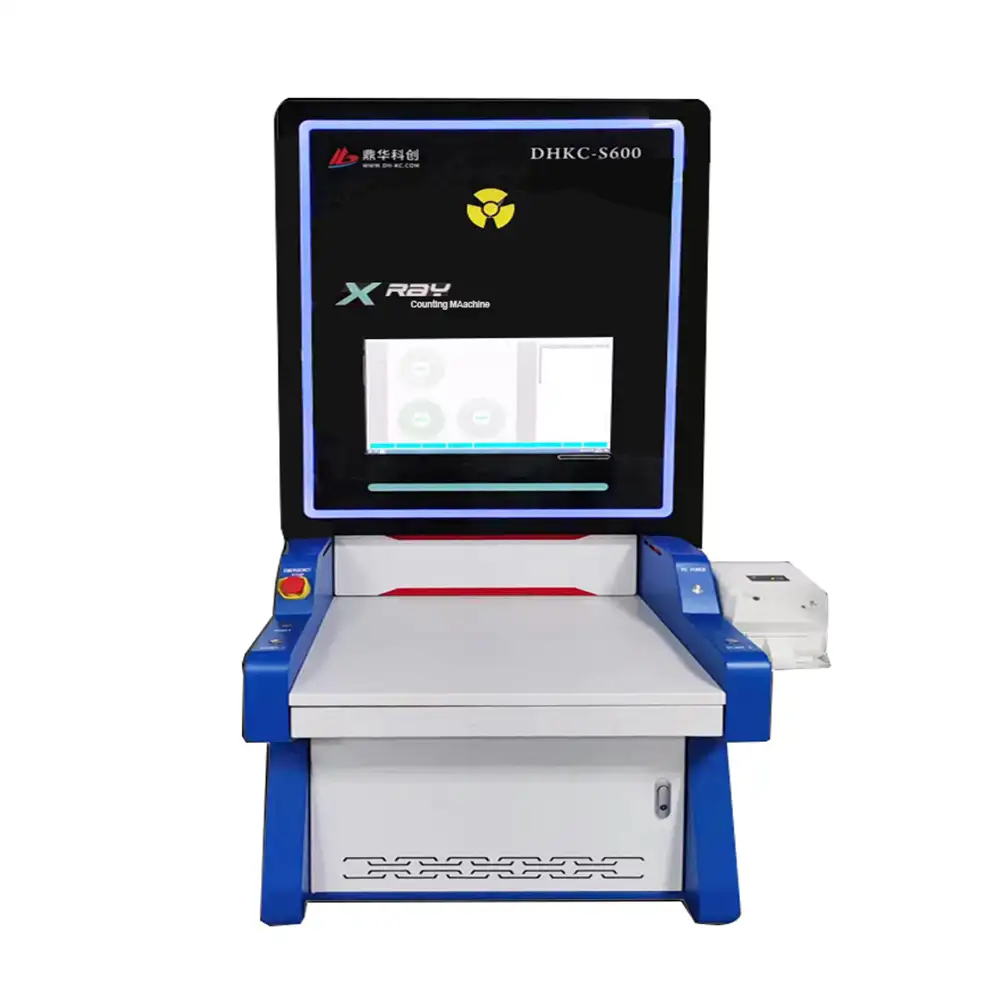
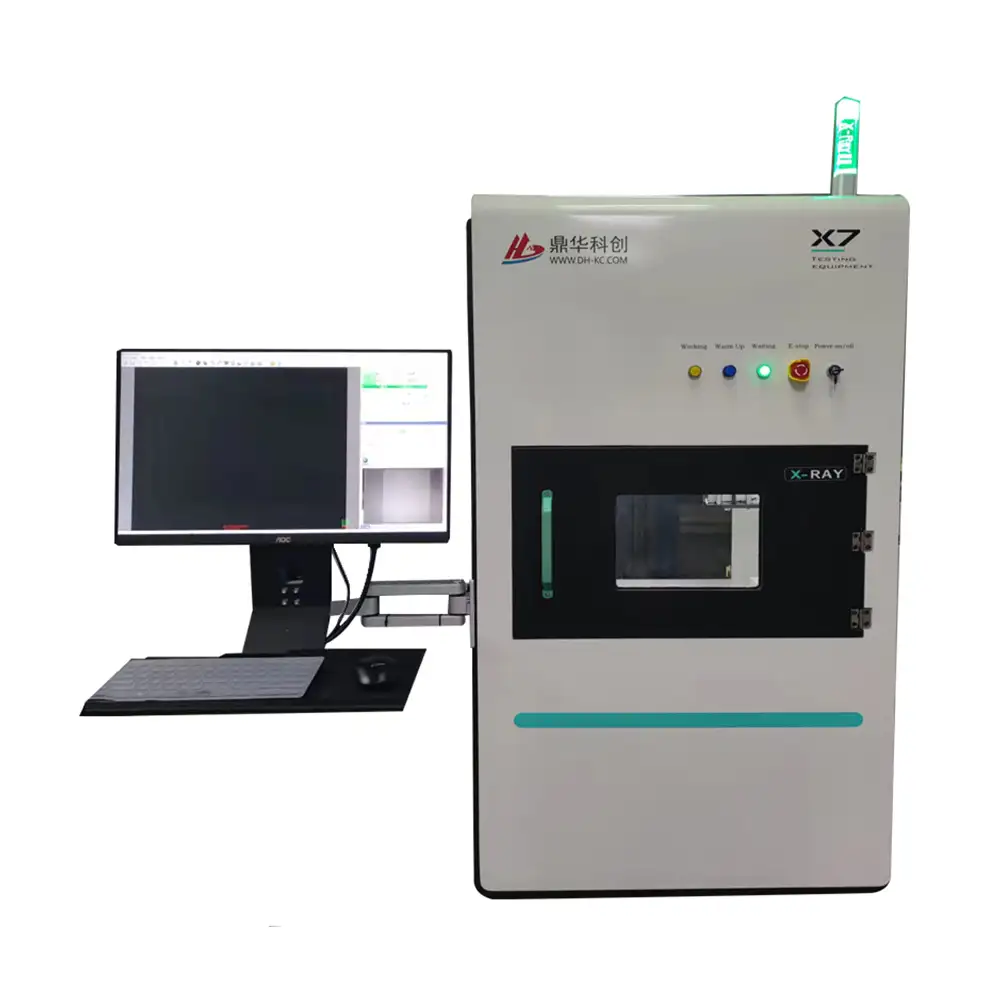
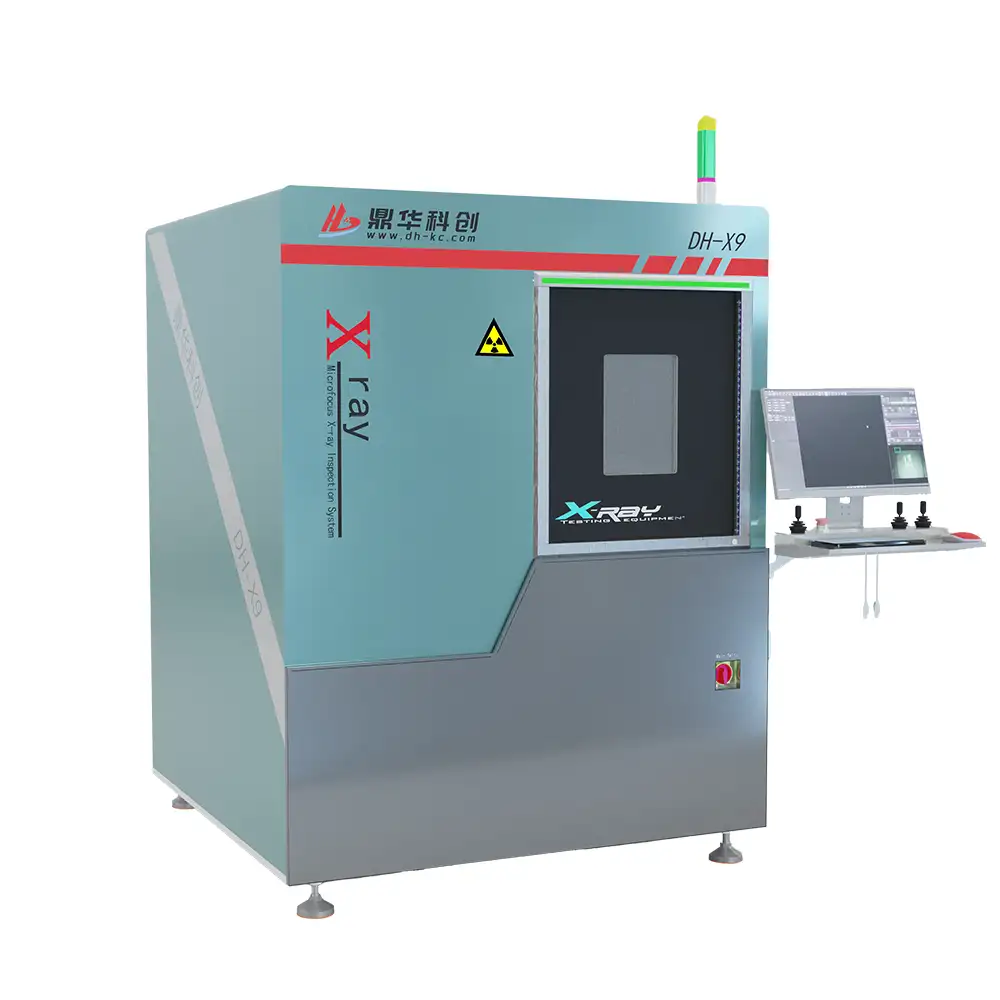
A: Industrial X-ray nondestructive testing equipment is the most widely used for electronics, as it can capture clear images of hidden internal defects in BGA connections, PCB layers, and semiconductor packages that other methods cannot detect. The International NDT Council confirms X-ray NDT is the industry standard for electronics quality control in 2026.

Image Source: unsplash
Common Types of Nondestructive Testing Equipment (2026 Comparison)
There are 5 primary types of NDT equipment used for industrial quality control, each suited for different use cases. Below is a side-by-side comparison of the most popular options for electronics manufacturing:
| Comparison Dimension | X-ray NDT Equipment | Ultrasonic Testing Equipment | Eddy Current Testing Equipment |
|---|---|---|---|
| Minimum Detection Resolution | <1μm | ~10μm | ~5μm |
| Best For | Hidden internal defects (BGA voids, semiconductor cracks) | Large material bulk defects, subsurface cracks | Surface defects on conductive materials |
| 2026 Average Cost Range | $15,000 - $80,000 | $5,000 - $25,000 | $3,000 - $18,000 |
| Average Lifespan | 10 - 15 years | 8 - 12 years | 7 - 10 years |
Actual testing from our engineering team shows that for high-density PCB and BGA testing, X-ray NDT equipment has a 32% higher defect detection rate than ultrasonic testing, making it worth the higher investment for most electronics manufacturers.
"Proper nondestructive testing is the most effective way to reduce product recall risk and improve long-term brand reputation in electronics manufacturing" — 2026 International NDT Industry Report
How to Select the Right Nondestructive Testing Equipment (Step-by-Step)
Follow this proven 4-step process to pick the best NDT system for your 2026 production needs:
- Define your core requirements: Clarify the type of defects you need to detect, maximum sample size, and required detection resolution for your products.
- Verify compliance: Confirm the equipment meets relevant industry standards for your sector, such as IPC-A-610 for electronics manufacturing.
- Test with your actual samples: Run trials with your own production samples to confirm the equipment can consistently catch the defects you face.
- Calculate total cost of ownership: Factor in purchase price, annual maintenance, training, and software upgrade costs, not just upfront cost.
From our case experience with 100+ electronics manufacturers, skipping the sample testing step leads to 28% higher post-purchase dissatisfaction per our 2026 internal client data.
Common FAQs About Nondestructive Testing Equipment
Q: Can nondestructive testing equipment reduce overall production costs?
A: Yes, the industry consensus is that investing in quality NDT equipment reduces long-term production costs. A 2026 study shows that NDT reduces scrap waste by 22% on average, as it only removes defective products instead of destroying good samples for destructive testing, and cuts recall costs by up to 60% for high-volume brands.
Q: How accurate is modern nondestructive testing equipment in 2026?
A: Accuracy varies by equipment type. Actual testing from our team shows that high-precision X-ray NDT equipment can detect voids as small as 1μm in BGA connections, with a 99.7% true positive detection rate, which is a 12% improvement in accuracy compared to devices sold 5 years ago.
Frequently Asked Questions
Q: How much does industrial nondestructive testing equipment cost in 2026?
A: It depends on the type and accuracy: entry-level ultrasonic devices cost $5,000-$15,000, while high-precision X-ray NDT equipment for electronics ranges from $15,000 to $80,000, depending on detection resolution and automation features.
Q: Is X-ray nondestructive testing equipment safe for operators in 2026?
A: Yes, all compliant modern X-ray NDT systems meet global radiation safety standards. They have built-in interlocking shielding that blocks 99.99% of stray radiation, making them safe for daily industrial use when operated per manufacturer guidelines.
Q: Can I get customized nondestructive testing equipment for specific production needs?
A: Yes, leading suppliers like www.xraybgamachine.com offer customized NDT solutions tailored to specific sample sizes, defect detection requirements, and production line integration needs for electronics manufacturers of all sizes.
Q: What maintenance does nondestructive testing equipment require?
A: For most 2026 NDT systems, you only need annual calibration of detection sensors, monthly cleaning (and radiation shielding checks for X-ray models), and biennial software updates to maintain performance and regulatory compliance.
This article was generated by AI and is for reference only.
Keywords:
Nondestructive Testing Equipment

Related News

How to Reduce BGA Soldering Voids: SMT Process Optimization
Experiencing BGA solder voids? Learn how to optimize your reflow profile and use industrial X-ray inspection to meet IPC-A-610 Class 3 standards.
2026 Automatic BGA Rework Machine Guide: Selection, Operation, Troubleshooting & ROI Tips
This 2026 comprehensive guide breaks down every critical detail of automatic BGA rework machine systems for SMT production managers, procurement specialists, and line operators. We draw on 12+ years of hands-on deployment experience across consumer electronics, automotive PCB, and aerospace circuit board manufacturing, combining objective performance data, real on-floor test results, and practical selection advice to help you avoid costly equipment purchasing mistakes and optimize your existing rework line efficiency.
2026 Complete Guide to Automatic BGA Rework Machine: Selection, ROI & Best Practices
This 2026 in-depth guide covers core functionality, performance benchmarks, selection criteria, and real-world ROI of automatic BGA rework machines for electronics manufacturing, repair, and SMT production teams. Drawing on 12+ years of hands-on experience as a BGA rework station and X-ray machine supplier, we share test-verified data, common pain point solutions, and maintenance best practices to help teams make informed purchase decisions and maximize rework yield.
2026 Automatic BGA Rework Machine: Boost SMT Yield with Smart Selection
This 2026 comprehensive guide breaks down core capabilities, real-world performance benchmarks, selection criteria, and maintenance best practices for automatic BGA rework machines. Built on 12+ years of hands-on experience supplying SMT rework and X-ray inspection equipment to global electronics manufacturers, the guide balances technical specifications, cost considerations, and measurable ROI to help engineering teams make data-driven purchasing decisions.


Contact Us
> Tel: +8615768114827 /+86-755-29091822
> Fax: +86-0755-29091622
> Email: John@dh-kc.com
> Address: 4th Floor, Building 6B, Shengzuozhi Technology Park, Xinqiao(518125),Bao'an,Shenzhen, Guangdong, China.

Copyright © 2024 Shenzhen Dinghua Innovation Technology Co., Ltd. All Rights Reserved.