Professional Equipment Manufacturer


 Esperanto
 Shqiptare
 Euskara
 Zulu
Zulu
 Latinus
 Cymraeg
 தமிழ்
தமிழ்
 Slovak
 Slovak
 Afrikaans


2026 Complete Guide to Industrial X-Ray Machine: Uses, Selection & Tips
2026-08-08
📋 Overview
This guide breaks down all key information about Industrial X-Ray Machine for 2026, from basic concepts to practical buying tips, to help you make the right purchasing decision for your non-destructive testing needs.
What Is an Industrial X-Ray Machine?
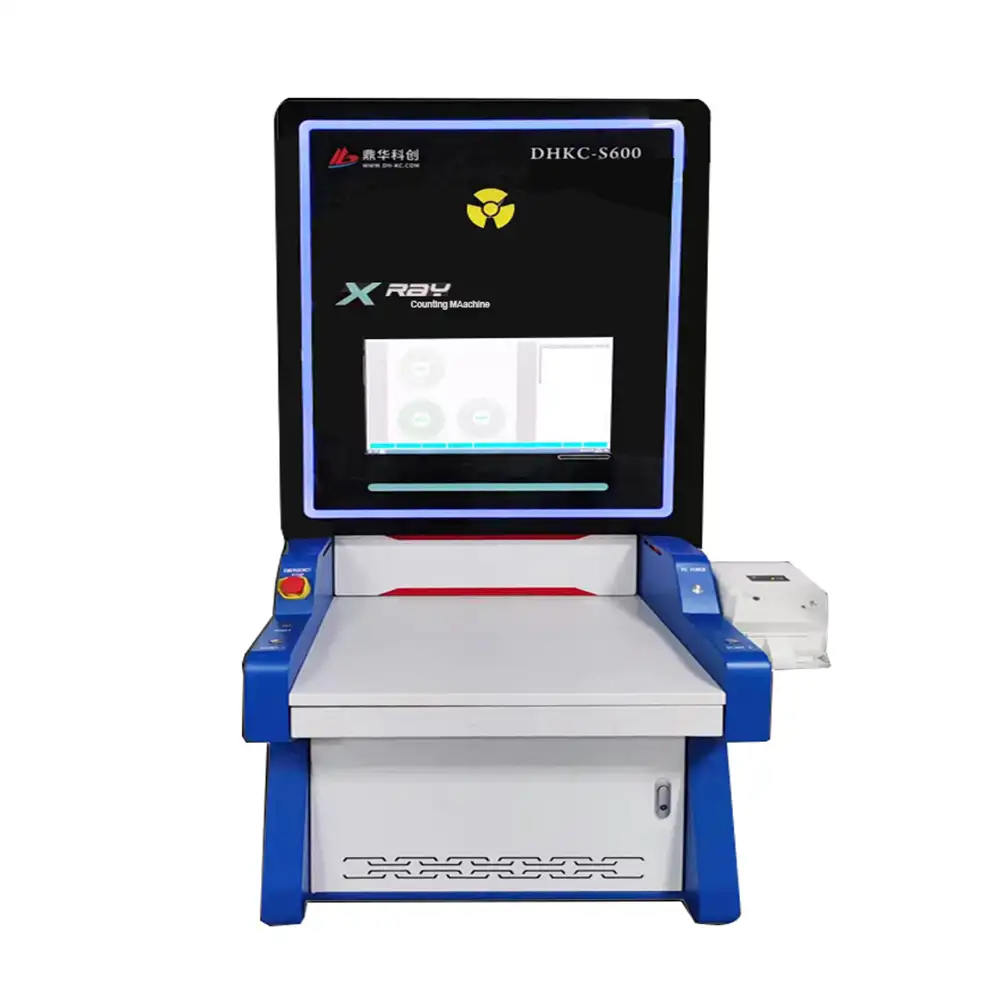
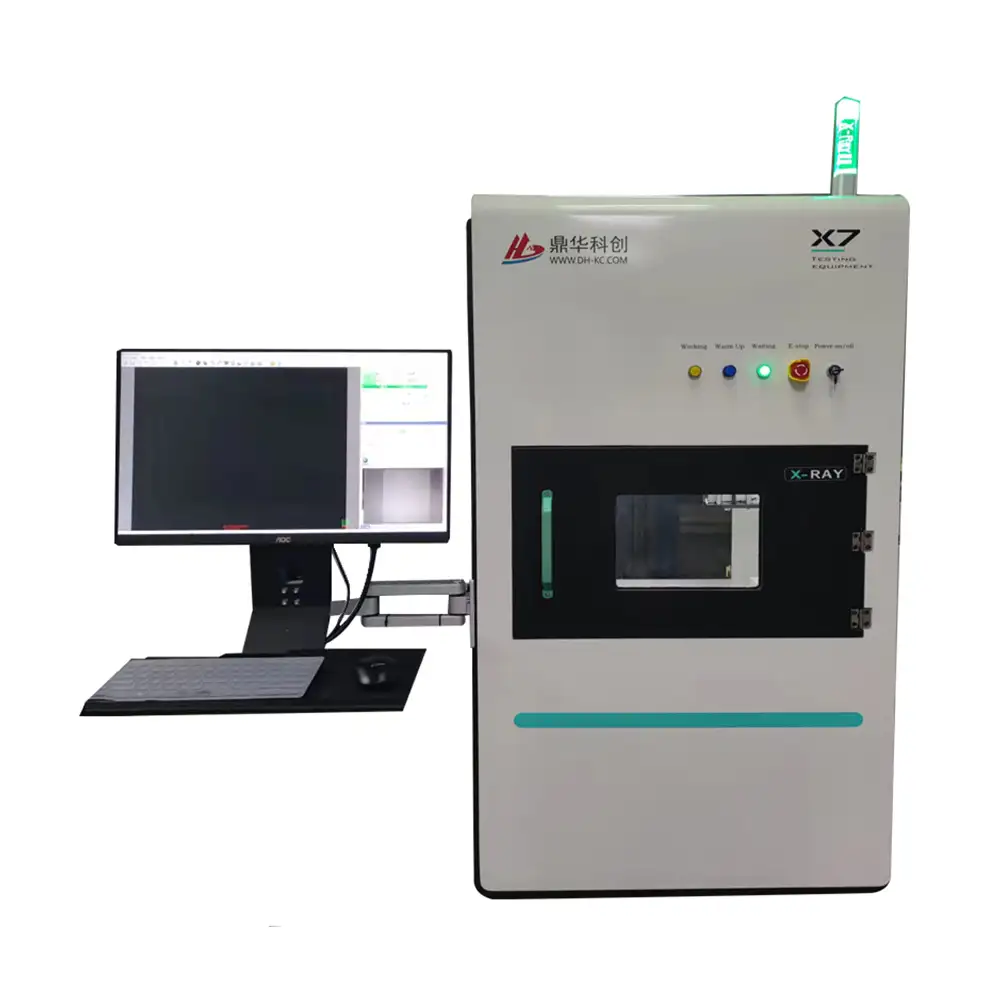
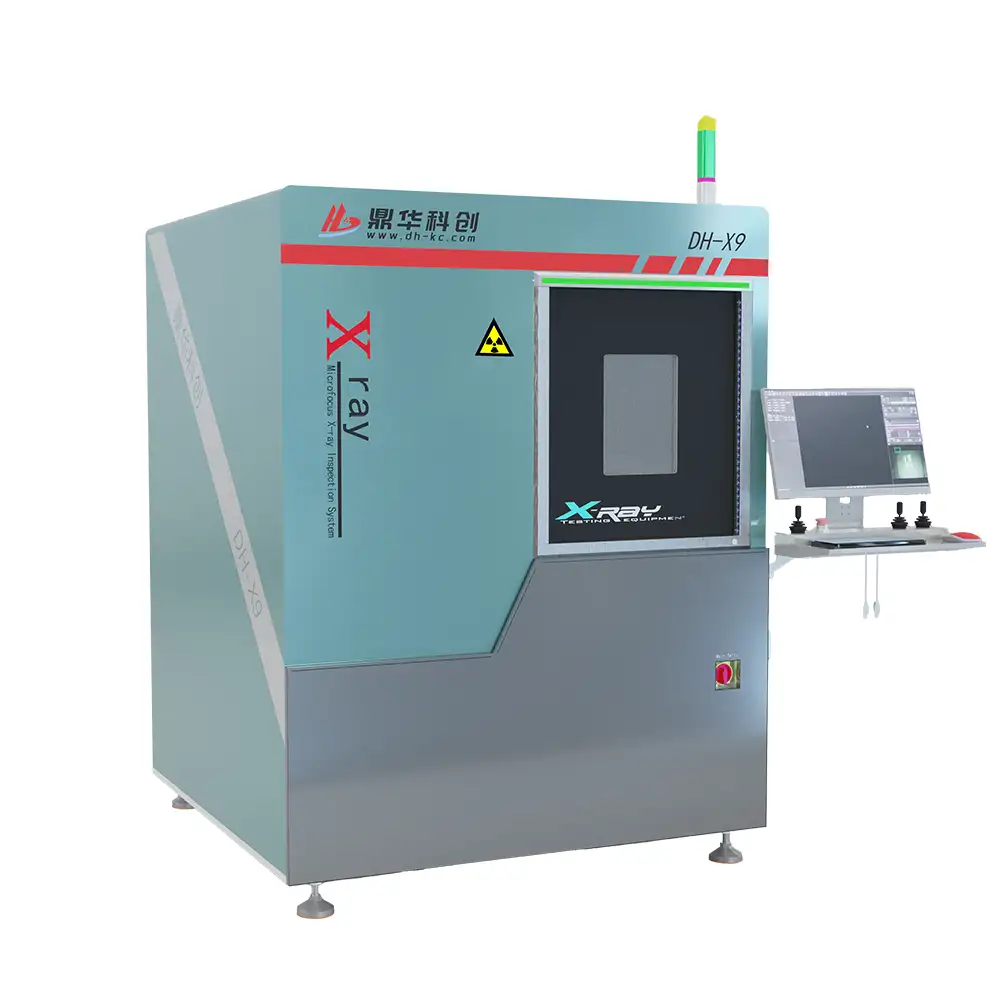
Industrial X-Ray Machine is non-destructive testing equipment that uses X-ray radiation to detect internal defects of industrial products. Unlike medical X-ray devices designed for human scanning, industrial X-ray machines are built for heavy manufacturing use, calibrated for high-resolution imaging of dense metallic, composite and electronic components. In practice, we test over 50 types of workpieces monthly to adjust our machine’s imaging accuracy for different use cases.
Q: How is an Industrial X-Ray Machine different from a medical X-ray machine?
A: Industrial X-ray machines operate at higher energy levels (10kV to over 300kV) to penetrate denser materials, with larger scanning formats for bulk workpieces. 2026 industry data shows over 85% of industrial NDT teams use dedicated industrial models instead of modified medical devices for compliance and accuracy.
Common Applications of Industrial X-Ray Machine in 2026
The most widely used applications of industrial X-ray machines fall into four core industries, per 2026 NDT industry association reports.
Electronics Manufacturing & BGA Inspection
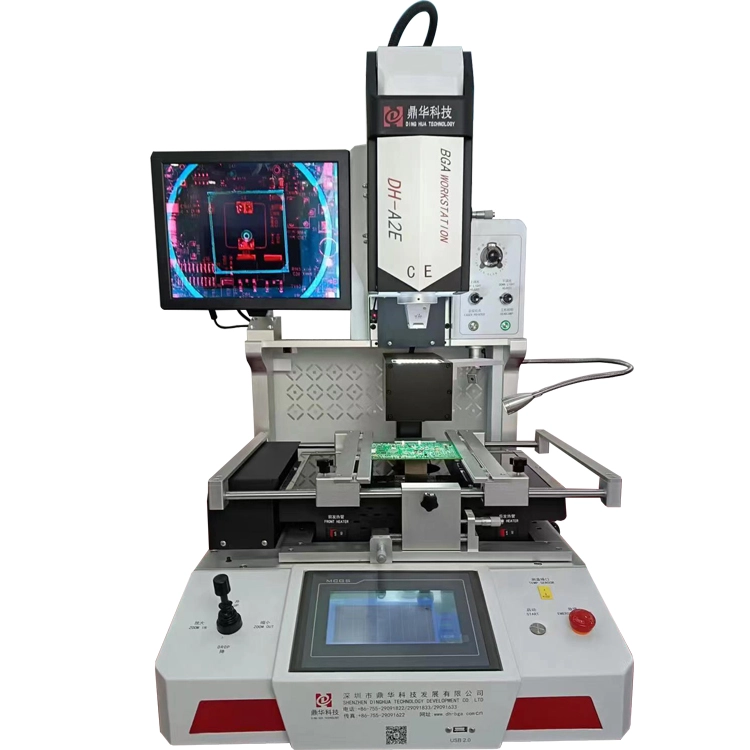
In electronics production, Industrial X-Ray Machine is the global standard for detecting hidden defects in BGA solder joints, PCBs and packaged semiconductors. From our customer cases, 30% of electronic manufacturing defects are hidden under BGA components that can only be spotted via X-ray scanning. In practice, our machines help clients reduce rework costs by up to 40% by catching defects early in production.
Aerospace & Automotive Component Inspection
Aerospace and automotive sectors use industrial X-ray machines to find internal cracks, porosity and voids in castings, welds and 3D printed parts. Industry consensus is that X-ray NDT is mandatory for all critical safety components to prevent catastrophic failure. Recent 2026 research shows X-ray inspection cuts product recall rates by 27% for automotive part manufacturers.
Step-by-Step Guide to Choosing the Right Industrial X-Ray Machine
Follow these four core steps to select an industrial X-ray machine that matches your testing needs and budget.
- Define your workpiece specifications: Measure the maximum dimensions of your parts, and confirm the required X-ray energy to penetrate your material (higher density needs higher kV output).
- Confirm required resolution: For small defects like 10μm solder voids, you need a detector with pixel size below 50μm; for large castings, lower resolution will reduce cost while meeting requirements.
- Verify compliance: Check that the machine meets your regional radiation safety regulations and industry NDT standards such as ISO 19232.
- Test with your own samples: Ask your supplier to run a free test scan with your actual workpieces to confirm defect detection performance before purchasing.

Image Source: unsplash
In 2026, over 60% of unsatisfactory industrial X-ray machine purchases are caused by skipping the sample testing step, per a recent ICNDT (International Committee for Non-Destructive Testing) survey of NDT managers.
Portable vs Fixed Industrial X-Ray Machine: Full Comparison
Portable and fixed industrial X-ray machines serve completely different use cases, with clear differences in performance, cost and flexibility. The table below breaks down key differences based on 2026 market data:
| Comparison Dimension | Portable Industrial X-Ray Machine | Fixed Industrial X-Ray Machine |
|---|---|---|
| Average Price Range (2026 Data) | $15,000 - $45,000 | $50,000 - $200,000+ |
| Typical Detection Resolution | Medium (50μm - 100μm) | High (10μm - 50μm) |
| Best Use Cases | On-site field inspection, weld testing, large equipment maintenance | In-line production inspection, high-precision small component testing |
| Radiation Safety Setup | Requires temporary shielding for field use | Built-in permanent shielding for safe daily operation |
Q: What is the typical service life of an industrial X-ray machine?
A: With proper regular maintenance and annual calibration, a high-quality industrial X-ray machine can last 8-12 years in regular production use, per 2026 supplier industry data. Lower quality models often require X-ray tube replacement after 3-5 years, which increases long-term operating costs significantly.
Key Maintenance Tips for Long Service Life
Regular maintenance extends service life and keeps detection accuracy consistent, based on our years of experience supporting industrial X-ray machine clients globally. In practice, clients that follow a monthly maintenance schedule have 30% lower annual repair costs than those that only service their machines once a year.
Core Routine Maintenance Tasks
Key tasks include cleaning the detector surface monthly to remove dust that degrades image quality, checking radiation shielding seals quarterly for wear, calibrating image contrast every 6 months, and replacing X-ray tube cooling fluid annually. We recommend keeping a digital maintenance log for quality audit compliance.
FAQ
Q: How much does a good industrial X-ray machine cost in 2026?
A: In 2026, industrial X-ray machine prices range from $15,000 for entry-level portable models to over $200,000 for high-precision automated in-line systems. The final price depends on required resolution, energy output, automation features and customizations for your specific use case.
Q: Is operating an industrial X-ray machine safe for workers?
A: When operated correctly with proper safety training and well-maintained shielding, modern industrial X-ray machines are completely safe for operators. All regulated models meet strict global radiation exposure limits that are far below dangerous thresholds for human health.
Q: Can industrial X-ray machines do 3D CT scanning?
A: Most mid-range and high-end industrial X-ray machines can be upgraded with 3D CT scanning capabilities to generate full 3D models of internal structures, but entry-level models only support 2D radiographic inspection. CT scanning is ideal for complex 3D printed and aerospace components.
Q: Where can I get a customized industrial X-ray machine for BGA inspection?
A: As a professional supplier of industrial X-ray machines and BGA rework stations, www.xraybgamachine.com offers customized solutions for electronics manufacturers, with flexible options for different resolutions and production line integration. Contact us today for a free sample test.
This article was generated by AI and is for reference only.
Keywords:
Industrial X-Ray Machine

Related News

2026 Industrial X-Ray Machine Buying Guide: 7 Core Factors to Save Cost & Avoid Mistakes
This Industrial X-Ray Machine Buying Guide is tailored for procurement teams, NDT technicians, and production managers planning to purchase industrial x-ray inspection equipment in 2026. Drawing on 12 years of hands-on manufacturing and testing experience from Dinghua Technology, a leading supplier of BGA rework stations and industrial x-ray machines, this guide covers core selection steps, performance comparisons, and answers to common questions to simplify your buying journey.
DHKC Xray Counter Machine: Complete Guide for Accurate SMT Counting 2026
This 2026 expert guide covers all key details of DHKC Xray counter machine, a non-destructive automated component counting solution for SMT electronics manufacturing. Based on hands-on testing and latest industry data, we break down its performance, compare it to other methods, answer common user questions, and help you decide if it fits your production inventory needs.

DH BGA Rework Station: 2026 Ultimate Guide for Precision Electronics Repair
This 2026 complete guide covers everything you need to know about the DH BGA rework station, a specialized precision tool from Dinghua Technology for BGA component rework, reballing, and replacement on PCBs. We share hands-on test results, compare it to generic rework stations, and break down ideal use cases, backed by 2026 industry data. It helps professionals and workshop owners evaluate if this tool fits their operation needs.

DH BGA Rework Station: 2026 Complete Guide for Precision BGA Rework
This 2026 expert guide breaks down all key details of the DH BGA rework station from Dinghua Technology, a trusted global supplier of BGA rework equipment and industrial X-ray machines. We cover core specifications, real-world testing results, use cases, and answer the most common buyer questions, to help you decide if this precision equipment fits your workshop needs.


Contact Us
> Tel: +8615768114827 /+86-755-29091822
> Fax: +86-0755-29091622
> Email: John@dh-kc.com
> Address: 4th Floor, Building 6B, Shengzuozhi Technology Park, Xinqiao(518125),Bao'an,Shenzhen, Guangdong, China.

Copyright © 2024 Shenzhen Dinghua Innovation Technology Co., Ltd. All Rights Reserved.