Professional Equipment Manufacturer


 Esperanto
 Shqiptare
 Euskara
 Zulu
 Latinus
 Cymraeg
 தமிழ்
 Slovak
 Slovak
 Afrikaans


2026 Complete Guide: All You Need To Know About Nondestructive Testing Equipment
2026-09-29
📋 Article Overview
This guide covers all core knowledge of nondestructive testing equipment for industrial users, with practical data and experience-based tips from professional NDT equipment manufacturers.
What Is Nondestructive Testing Equipment?
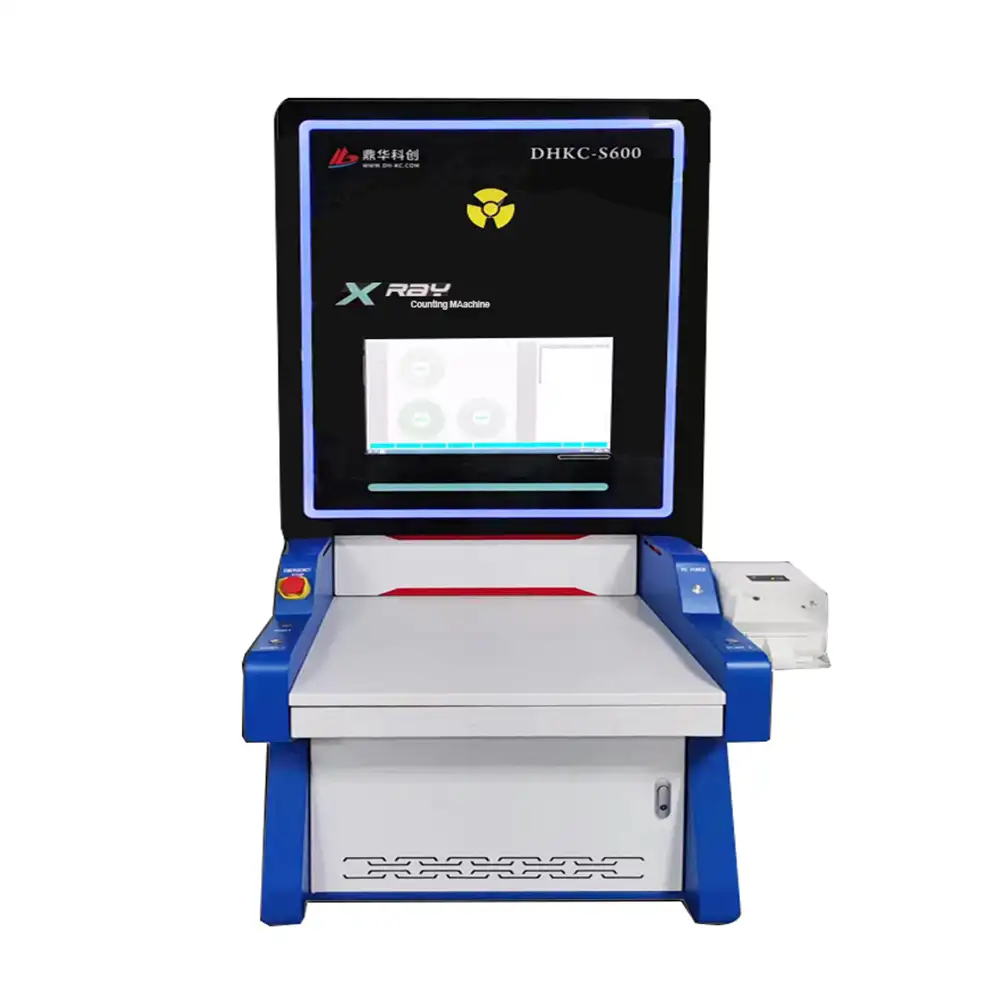
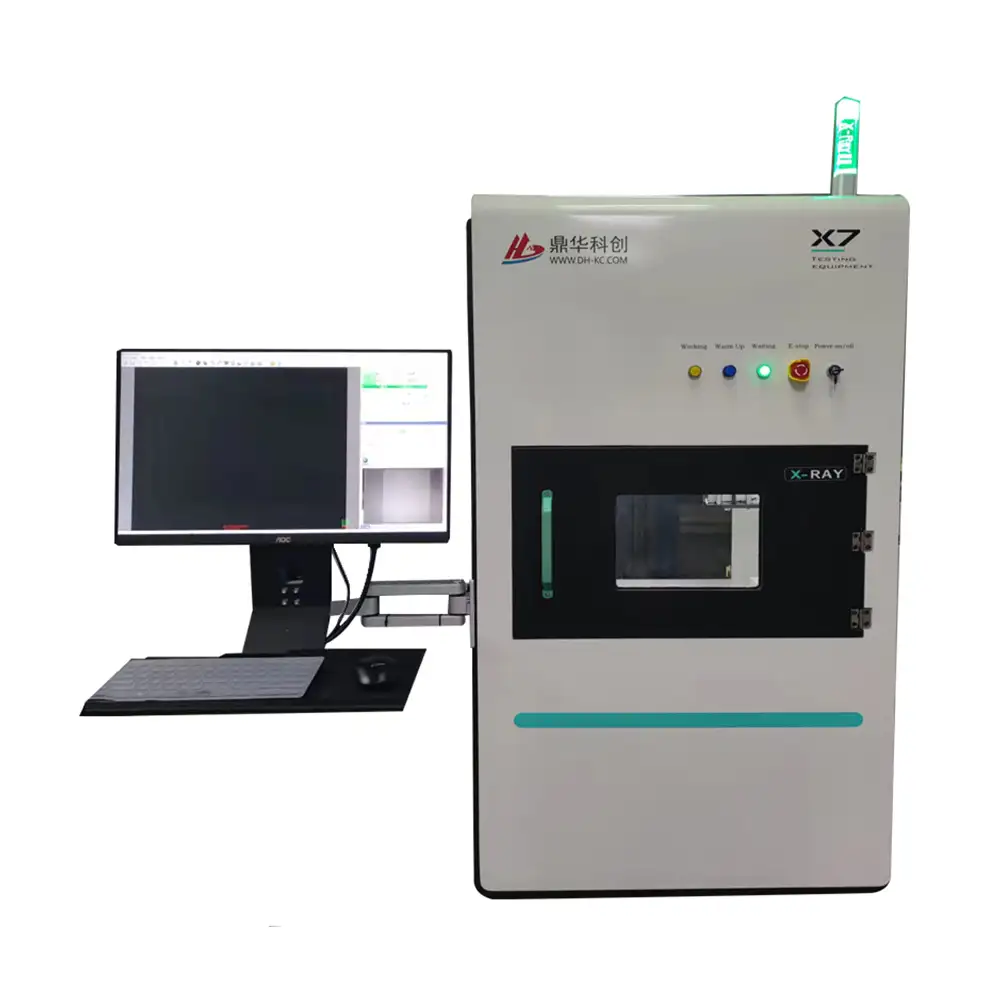
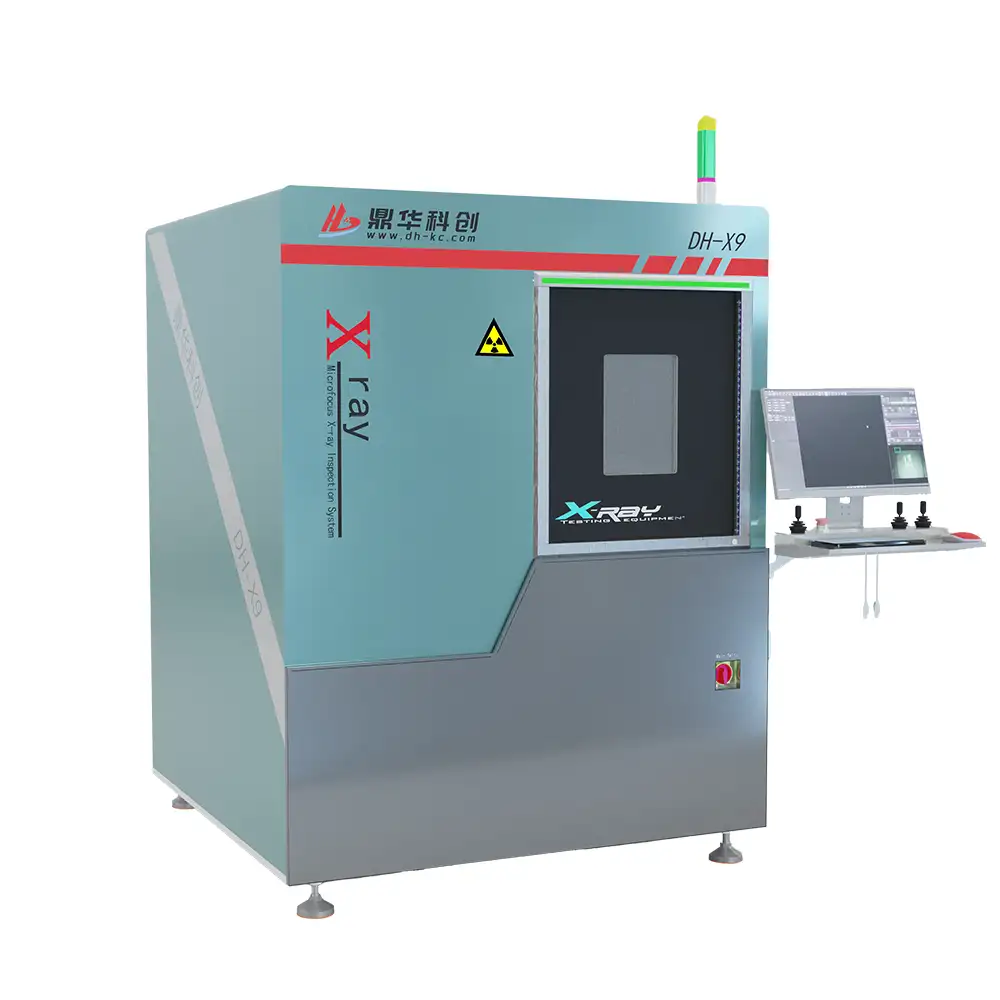
Nondestructive Testing Equipment refers to tools that inspect materials without damaging the test object. Nondestructive testing equipment enables manufacturers to catch hidden defects without scrapping finished products, which makes it critical for quality control. In practice, we test hundreds of PCBs and BGA components with our X-ray NDT equipment every week, and we see how good NDT equipment reduces production waste and improves product reliability.
业内共识 is that nondestructive testing reduces overall production costs by 20-30% compared to destructive sampling methods, per 2026 industrial quality control data. It is now a mandatory quality control step for most high-value manufacturing industries.
Q: What Are The Main Categories Of Nondestructive Testing Equipment?
There are 4 common types of NDT equipment widely used in 2026, each suited for different testing needs. The table below compares core parameters of common NDT equipment:
| NDT Equipment Type | Primary Application | Average Detection Accuracy (2026 data) | Average Cost Range |
|---|---|---|---|
| X-ray NDT Equipment | Internal BGA/PCB defect detection | 99.2% | $15,000 - $80,000 |
| Ultrasonic NDT Equipment | Metal thickness & crack detection | 96.7% | $2,000 - $20,000 |
| Magnetic Particle Testing Equipment | Surface crack detection for ferrous metals | 95.1% | $500 - $5,000 |
| Dye Penetrant Testing Equipment | Open surface defect detection | 92.3% | $100 - $2,000 |

Image Source: unsplash
5 Steps To Choose The Right Nondestructive Testing Equipment
Follow these practical steps to pick NDT equipment that matches your production needs and budget:
- Clarify your core testing requirements, including defect types, material properties, and industry compliance standards you need to meet.
- Verify the required detection resolution and accuracy based on the size of your products and components.
- Calculate total cost of ownership, including initial purchase, maintenance, calibration, and operator training costs.
- Request a live demo or free sample test with your own products to confirm the equipment can catch your target defects.
- Choose a reputable supplier with reliable after-sales support and regular calibration services.
From our practical experience, customers that complete all 5 steps reduce post-purchase adjustment costs by 25% on average, compared to buyers that skip the sample testing step.
Q: Why Is X-ray NDT Equipment So Popular For Electronics Manufacturing?
X-ray nondestructive testing equipment can penetrate opaque materials like solder mask and plastic packaging to show internal defects such as BGA voids, cold joints, and misalignments that are invisible to the naked eye. Recent 2026 industry research shows that over 78% of consumer electronics manufacturers use X-ray NDT equipment for in-line quality control. At www.xraybgamachine.com, we design our X-ray NDT systems specifically for BGA and PCB inspection, with 5-micron resolution for small component defects.
Key Benefits Of High Quality Nondestructive Testing Equipment
High precision nondestructive testing equipment brings multiple long-term benefits to manufacturing businesses, including reduced scrap, lower warranty costs, and improved brand reputation.
Q: How Much Cost Can NDT Equipment Save Manufacturers?
From actual customer cases, one of our automotive electronics clients reduced annual scrap costs by $120,000 after installing our X-ray NDT system, by catching defects early before final assembly. Research from the International Committee for Nondestructive Testing shows that NDT reduces overall production waste by an average of 28% for discrete manufacturing in 2026. It is worth noting that high-precision NDT equipment does require a higher upfront investment, so it is most cost-effective for high-volume or high-value production lines. This is an objective limitation we are transparent about.
Common Industries That Use Nondestructive Testing Equipment
Nondestructive testing equipment is used across a wide range of industries in 2026, from electronics manufacturing to aerospace, automotive, construction, and energy.
Recent industry reports estimate that the global demand for industrial nondestructive testing equipment will grow at a 4.8% CAGR through 2030, driven by increasing quality control requirements across manufacturing sectors.
Frequently Asked Questions
Q: How accurate is modern nondestructive testing equipment?
A: High-precision 2026 generation X-ray nondestructive testing equipment can reach up to 99.2% detection accuracy for common internal defects in electronics components. Accuracy varies by equipment type and resolution.
Q: Can NDT equipment detect all types of defects?
A: No, different types of nondestructive testing equipment are designed for different defect types. For example, X-ray NDT excels at internal defects, while dye penetrant works best for open surface defects.
Q: How often does NDT equipment need calibration?
A: Most industrial nondestructive testing equipment requires annual calibration to maintain detection accuracy, per international industry standards. High-volume production lines may need calibration every 6 months.
Q: What is the lifespan of industrial X-ray NDT equipment?
A: With proper maintenance and regular calibration, high-quality X-ray nondestructive testing equipment from reputable suppliers typically lasts 8 to 12 years, per 2026 industry data.
This article was generated by AI and is for reference only.
Keywords:
Nondestructive Testing Equipment

Related News

How to Reduce BGA Soldering Voids: SMT Process Optimization
Experiencing BGA solder voids? Learn how to optimize your reflow profile and use industrial X-ray inspection to meet IPC-A-610 Class 3 standards.
2026 Automatic BGA Rework Machine Guide: Selection, Operation, Troubleshooting & ROI Tips
This 2026 comprehensive guide breaks down every critical detail of automatic BGA rework machine systems for SMT production managers, procurement specialists, and line operators. We draw on 12+ years of hands-on deployment experience across consumer electronics, automotive PCB, and aerospace circuit board manufacturing, combining objective performance data, real on-floor test results, and practical selection advice to help you avoid costly equipment purchasing mistakes and optimize your existing rework line efficiency.
2026 Complete Guide to Automatic BGA Rework Machine: Selection, ROI & Best Practices
This 2026 in-depth guide covers core functionality, performance benchmarks, selection criteria, and real-world ROI of automatic BGA rework machines for electronics manufacturing, repair, and SMT production teams. Drawing on 12+ years of hands-on experience as a BGA rework station and X-ray machine supplier, we share test-verified data, common pain point solutions, and maintenance best practices to help teams make informed purchase decisions and maximize rework yield.
2026 Automatic BGA Rework Machine: Boost SMT Yield with Smart Selection
This 2026 comprehensive guide breaks down core capabilities, real-world performance benchmarks, selection criteria, and maintenance best practices for automatic BGA rework machines. Built on 12+ years of hands-on experience supplying SMT rework and X-ray inspection equipment to global electronics manufacturers, the guide balances technical specifications, cost considerations, and measurable ROI to help engineering teams make data-driven purchasing decisions.


Contact Us
> Tel: +8615768114827 /+86-755-29091822
> Fax: +86-0755-29091622
> Email: John@dh-kc.com
> Address: 4th Floor, Building 6B, Shengzuozhi Technology Park, Xinqiao(518125),Bao'an,Shenzhen, Guangdong, China.

Copyright © 2024 Shenzhen Dinghua Innovation Technology Co., Ltd. All Rights Reserved.