Professional Equipment Manufacturer


 Esperanto
 Shqiptare
 Euskara
 Zulu
Zulu
 Latinus
 Cymraeg
 தமிழ்
தமிழ்
 Slovak
 Slovak
 Afrikaans


How to Choose the Right BGA Rework Machine for Your Needs: A Comprehensive Guide
2025-09-24
How to Choose the Right BGA Rework Machine for Your Needs
Table of Contents
- 1. Introduction to BGA Rework Machines
- 2. Understanding BGA Technology
- 3. Importance of BGA Rework Machines in Electronics Repair
- 4. Key Features to Consider When Choosing a BGA Rework Machine
- 4.1. Heating Methods: Convection, Infrared, and More
- 4.2. Machine Size and Portability Considerations
- 4.3. Control Systems: Manual vs. Automated
- 4.4. Accessories and Add-Ons for Enhanced Functionality
- 5. Types of BGA Rework Machines Available in the Market
- 6. Budget and Investment Considerations
- 7. Brands and Manufacturers of BGA Rework Machines
- 8. Maintenance and Technical Support: What to Expect
- 9. Conclusion
- 10. Frequently Asked Questions (FAQs)
1. Introduction to BGA Rework Machines
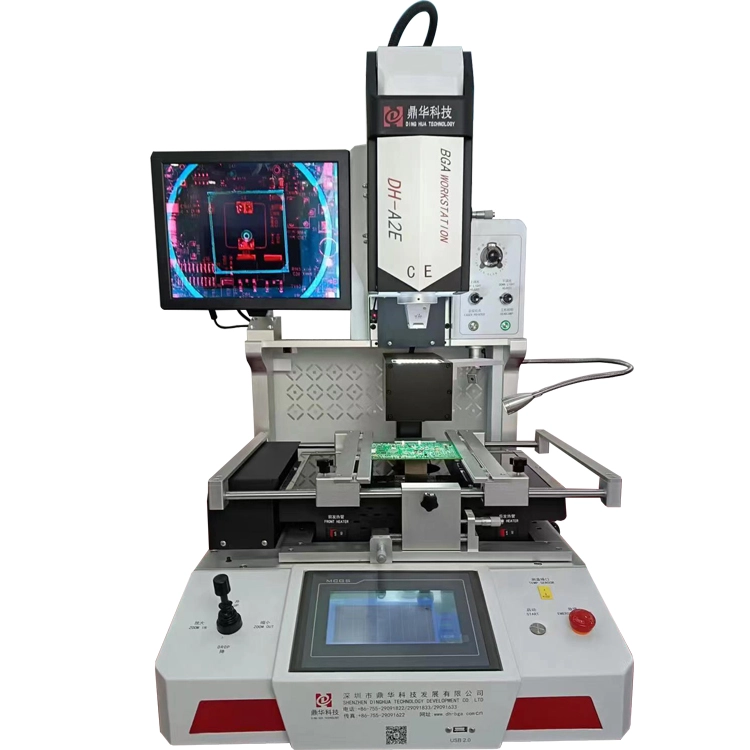
Choosing the right BGA (Ball Grid Array) rework machine is crucial for professionals involved in electronics repair, especially when dealing with complex integrated circuits. These machines not only support the reflow process but also ensure precision in soldering and desoldering BGA components. A well-selected BGA rework machine can significantly enhance repair quality and operational efficiency.
2. Understanding BGA Technology
BGA technology involves placing solder balls beneath an integrated circuit, allowing for a compact design and effective heat dissipation. Understanding this technology helps in appreciating the necessity for specialized rework machines that cater to the unique challenges associated with BGA components. These machines are designed to handle various thermal and mechanical requirements, ensuring safe and effective repairs.
3. Importance of BGA Rework Machines in Electronics Repair
BGA rework machines are indispensable in maintaining and repairing electronic devices. They facilitate the following:
- **Efficiency**: Streamline the repair process, allowing for quick turnaround times.
- **Precision**: Ensure accurate placement and soldering of BGA components, reducing the likelihood of errors.
- **Cost-Effectiveness**: Extend the lifespan of expensive electronic equipment by enabling effective repairs rather than replacements.
4. Key Features to Consider When Choosing a BGA Rework Machine
When selecting a BGA rework machine, several features must be evaluated to ensure it meets your specific needs.
4.1. Heating Methods: Convection, Infrared, and More
The heating method is a critical factor in the performance of BGA rework machines. The common heating methods include:
- **Convection Heating**: Utilizes heated air to uniformly warm the BGA component and PCB, ensuring even solder reflow.
- **Infrared Heating**: Employs infrared radiation for targeted heating, ideal for delicate components.
- **Hybrid Techniques**: Some machines combine both convection and infrared methods for optimal results.
Selecting the right heating method is essential, as it impacts the machine's effectiveness and the quality of repairs.
4.2. Machine Size and Portability Considerations
Depending on your workspace and requirements, the size and portability of the BGA rework machine should be considered.
- **Compact Models**: These are ideal for smaller workspaces and mobile technicians.
- **Larger Units**: Offer more features and capabilities but require a dedicated workspace.
Assess your specific environment and operational needs to identify the most suitable size.
4.3. Control Systems: Manual vs. Automated
The control system of a BGA rework machine can either be manual or automated:
- **Manual Control**: Provides hands-on operation, giving technicians greater control over the soldering process.
- **Automated Systems**: Feature programmed settings for temperature and timing, improving consistency and reducing user error.
Consider your team's skill level and the complexity of the tasks when choosing between manual and automated systems.
4.4. Accessories and Add-Ons for Enhanced Functionality
Accessories can significantly enhance the capability of a BGA rework machine. Common add-ons include:
- **Vacuum Pumps**: For precise component placement.
- **Thermal Cameras**: For monitoring temperature distribution during the rework process.
- **Soldering Stations**: To complement the rework process with additional soldering capabilities.
Evaluate available accessories to maximize the versatility and functionality of your chosen machine.
5. Types of BGA Rework Machines Available in the Market
The market offers various types of BGA rework machines, each designed to cater to specific needs:
- **Desktop BGA Rework Stations**: Compact and affordable, ideal for small-scale repairs.
- **Industrial BGA Rework Machines**: Built for high-volume production environments, offering advanced features and capabilities.
- **Portable BGA Rework Tools**: Designed for field use, these tools are lightweight and easy to transport.
Understanding the different types helps in making an informed decision according to your operational scale.
6. Budget and Investment Considerations
Cost is often a significant factor when choosing a BGA rework machine. It’s essential to balance quality and affordability. Investing in a machine that meets your specific needs can yield long-term savings by reducing repair times and improving work quality. Consider the following:
- **Initial Costs**: Analyze the upfront investment required for various machines.
- **Operating Costs**: Evaluate energy consumption, maintenance, and part replacement costs.
- **Return on Investment (ROI)**: Assess how the machine will enhance your repair capabilities and overall efficiency.
7. Brands and Manufacturers of BGA Rework Machines
Several reputable brands manufacture BGA rework machines. Researching these companies can provide insights into reliability and performance. Some notable brands include:
- **Weller**: Renowned for high-quality soldering and rework equipment.
- **Quick**: Offers versatile and reliable rework solutions.
- **Hakko**: Known for their user-friendly designs and efficient soldering/rework stations.
Investigating brand reputation and customer reviews can guide you in selecting a reliable machine.
8. Maintenance and Technical Support: What to Expect
Regular maintenance is crucial for the longevity and performance of BGA rework machines. When selecting a machine, consider the following:
- **Manufacturer Support**: Ensure the manufacturer offers robust technical support and warranty services.
- **Maintenance Requirements**: Understand the maintenance needs of your chosen machine and factor this into your decision.
Knowing you have access to reliable support can provide peace of mind.
9. Conclusion
Choosing the right BGA rework machine is a pivotal decision that can significantly impact the efficiency and quality of your electronics repair processes. By understanding the unique features, types of machines, and essential considerations, you can make a well-informed choice tailored to your specific needs. Whether you opt for a compact desktop model or a robust industrial machine, investing in the right equipment will enhance your operational capabilities and ensure high-quality repairs.
10. Frequently Asked Questions (FAQs)
1. What is a BGA rework machine?
A BGA rework machine is a specialized piece of equipment designed to solder or desolder BGA components on circuit boards.
2. How does a BGA rework machine work?
It uses controlled heating methods to melt solder, allowing for the placement or removal of BGA components from the PCB.
3. What factors should I consider when choosing a BGA rework machine?
Key factors include heating methods, machine size, control systems, available accessories, and your specific operational needs.
4. Are there portable BGA rework machines available?
Yes, there are portable BGA rework tools designed for fieldwork and smaller repair tasks.
5. How often should I maintain my BGA rework machine?
Regular maintenance is essential, and it is advisable to follow the manufacturer's guidelines to ensure optimal performance and longevity.
By focusing on these essential aspects, this guide aims to help you make an informed decision in selecting the best BGA rework machine for your needs.
Keywords:

Related News

Top Automatic PCB Rework Station 2026 | Precision BGA Rework for Electronics Manufacturing
This 2026 complete guide covers core functions, performance comparisons, selection tips, and common FAQs about automatic PCB rework stations. We draw on hands-on testing and real client cases from Dinghua Technology to help you improve rework yield, cut labor costs, and choose the right equipment for your production line.

Mastering Lead-Free BGA Rework on Heavy Multi-Layer PCBs
Reworking Ball Grid Arrays (BGAs) on thick, multi-layer PCBs—such as server motherboards, industrial power supplies, and automotive ECUs—presents a massive challenge for electronics manufacturers. Because these boards contain large internal copper ground planes, they act as massive heat sinks, rapidly drawing thermal energy away from the target repair area.

2026 Complete Guide: How to Choose High-Precision Automatic PCB Rework Station
This 2026 practical guide covers core functions, key benefits, selection criteria and maintenance tips for automatic PCB rework stations. We draw from 10+ years of manufacturing experience and field test data to help you choose the right equipment, with objective comparison data and answers to the most common industry questions.
DHKC Xray Counter Machine: Accurate Non-Destructive SMD Counting for 2026 Electronics Production
This complete 2026 guide covers everything you need to know about the DHKC Xray counter machine, a purpose-built non-destructive counting solution for electronics manufacturing inventory management. We share real-world testing results, performance comparisons, use cases, and answers to common user questions to help you evaluate this tool for your production line.


Contact Us
> Tel: +8615768114827 /+86-755-29091822
> Fax: +86-0755-29091622
> Email: John@dh-kc.com
> Address: 4th Floor, Building 6B, Shengzuozhi Technology Park, Xinqiao(518125),Bao'an,Shenzhen, Guangdong, China.

Copyright © 2024 Shenzhen Dinghua Innovation Technology Co., Ltd. All Rights Reserved.