Professional Equipment Manufacturer


 Esperanto
 Shqiptare
 Euskara
 Zulu
Zulu
 Latinus
 Cymraeg
 தமிழ்
தமிழ்
 Slovak
 Slovak
 Afrikaans


Revolutionizing Healthcare: The Role of X-ray Inspection Machines in Modern Medical Diagnosis
2024-10-26
Revolutionizing Healthcare: The Role of X-ray Inspection Machines in Modern Medical Diagnosis
Table of Contents
1. Introduction to X-ray Inspection Machines
2. Understanding the Technology Behind X-ray Inspection Machines
3. Applications of X-ray Inspection Machines in Healthcare
- 3.1 The Role of X-ray Machines in Radiology
- 3.2 X-ray Inspection in Dental Health
- 3.3 Orthopedic Applications of X-ray Technology
4. Benefits of Using X-ray Inspection Machines
5. Challenges and Limitations of X-ray Technology
6. The Future of X-ray Inspection Machines in Healthcare
7. Conclusion
8. Frequently Asked Questions about X-ray Inspection Machines
Introduction to X-ray Inspection Machines
X-ray inspection machines have become indispensable in the healthcare sector, facilitating accurate diagnosis and effective treatment plans. These devices utilize electromagnetic radiation to produce images of the internal structure of the body, enabling healthcare professionals to identify various conditions swiftly. With advancements in technology, X-ray machines have evolved significantly, enhancing their diagnostic capabilities and improving patient care.
Understanding the Technology Behind X-ray Inspection Machines
The core mechanism of X-ray inspection machines revolves around the emission of X-rays, which are a form of high-energy electromagnetic radiation. When directed towards the body, these rays penetrate tissues and organs, producing differential absorption patterns that result in detailed images.
The Components of X-ray Inspection Machines
1. **X-ray Tube**: This critical component generates X-rays and consists of a cathode and anode. The cathode emits electrons, which collide with the anode, producing X-rays.
2. **Detector System**: Detectors capture the X-rays that pass through the body, converting them into digital images. Modern systems use flat-panel detectors for higher resolution and faster processing times.
3. **Control Console**: This interface allows operators to adjust settings, such as exposure time and radiation dose, ensuring optimal imaging without compromising patient safety.
Types of X-ray Machines
- **Conventional X-ray Machines**: Utilized primarily for standard imaging, these machines rely on film to capture images.
- **Digital X-ray Machines**: These modern systems provide improved image quality, faster processing, and the ability to manipulate images for enhanced diagnosis.
- **Computed Tomography (CT) Scanners**: A specialized X-ray machine that takes multiple cross-sectional images, allowing for comprehensive three-dimensional analysis.
Applications of X-ray Inspection Machines in Healthcare
X-ray inspection machines serve a multitude of purposes across various medical disciplines, significantly enhancing diagnostic accuracy and efficiency.
The Role of X-ray Machines in Radiology
In radiology, X-ray machines are vital for diagnosing a range of conditions, from fractures to infections. Radiologists analyze the images produced by X-ray machines to identify abnormalities, assisting in treatment planning.
X-ray Inspection in Dental Health
X-ray technology plays a crucial role in dentistry, allowing for the detection of dental caries, infections, and impacted teeth. Dental X-rays provide a comprehensive view of oral health, assisting dentists in making informed decisions regarding treatment options.
Orthopedic Applications of X-ray Technology
In orthopedics, X-ray machines are essential for assessing bone health and diagnosing fractures or joint issues. Accurate imaging enables orthopedic specialists to devise appropriate treatment plans, from casting to surgical intervention.
Benefits of Using X-ray Inspection Machines
The incorporation of X-ray inspection machines into healthcare facilities manifests numerous benefits:
1. **Rapid Diagnosis**: X-ray machines provide immediate results, facilitating quicker diagnosis and treatment.
2. **Non-Invasive**: X-ray imaging is a non-invasive procedure, which minimizes discomfort and risk for patients.
3. **Enhanced Accuracy**: Modern digital X-ray systems offer superior image clarity, allowing for precise identification of conditions.
4. **Improved Patient Outcomes**: By enabling timely diagnosis and treatment, X-ray machines contribute to better patient outcomes and recovery rates.
Challenges and Limitations of X-ray Technology
Despite their advantages, X-ray inspection machines are not without challenges:
1. **Radiation Exposure**: Patients are exposed to a small amount of radiation during X-ray procedures, necessitating careful management to minimize risks.
2. **Cost and Maintenance**: Advanced X-ray machines can be expensive to purchase and maintain, posing financial challenges for some healthcare facilities.
3. **Skill Requirements**: Operating X-ray machines effectively requires trained personnel, which may be a limitation in areas with workforce shortages.
The Future of X-ray Inspection Machines in Healthcare
The future of X-ray inspection machines looks promising, with ongoing advancements expected to enhance their capabilities:
1. **Artificial Intelligence (AI) Integration**: AI algorithms can assist radiologists in detecting anomalies more accurately and swiftly, improving diagnostic efficiency.
2. **Portable X-ray Machines**: The development of portable X-ray machines is expected to facilitate imaging in remote or underserved areas, expanding access to healthcare.
3. **Lower Radiation Technology**: Innovations aimed at reducing radiation exposure while maintaining image quality are on the horizon, addressing safety concerns.
Conclusion
X-ray inspection machines are revolutionizing the healthcare industry by enhancing diagnostic capabilities and improving patient care. With ongoing advancements in technology, these machines are expected to play an even more significant role in shaping the future of medical diagnostics. As we move forward, embracing innovations in X-ray technology will continue to enhance healthcare outcomes and accessibility.
Frequently Asked Questions about X-ray Inspection Machines
1. What is an X-ray inspection machine?
An X-ray inspection machine is a diagnostic tool that uses electromagnetic radiation to create images of the internal structures of the body, aiding in the diagnosis of various medical conditions.
2. Are X-ray machines safe?
Yes, X-ray machines are generally safe when used appropriately. However, they do involve exposure to a small amount of radiation, so careful management is essential.
3. How long does an X-ray procedure take?
Most X-ray procedures are quick, often taking just a few minutes to complete, depending on the complexity of the imaging required.
4. What should I expect during an X-ray examination?
During an X-ray examination, you will be asked to position your body in a specific way to capture the necessary images. You may need to hold your breath briefly while the images are taken.
5. Can X-ray machines detect all medical conditions?
While X-ray machines are effective for many conditions, they may not be suitable for all diagnoses. Other imaging techniques, such as CT or MRI, may be required for a more comprehensive evaluation.
Keywords:

Related News

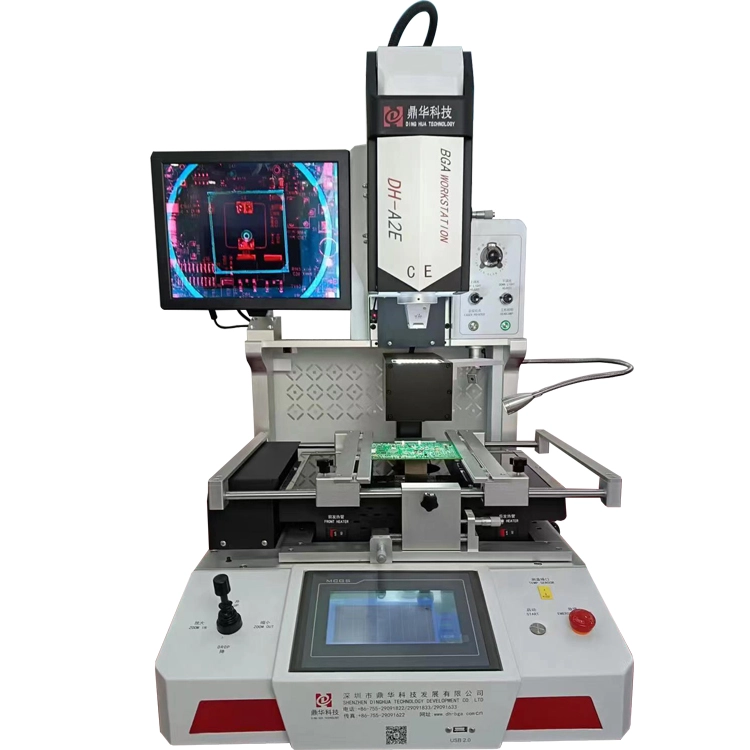
Top Automatic PCB Rework Station 2026 | Precision BGA Rework for Electronics Manufacturing
This 2026 complete guide covers core functions, performance comparisons, selection tips, and common FAQs about automatic PCB rework stations. We draw on hands-on testing and real client cases from Dinghua Technology to help you improve rework yield, cut labor costs, and choose the right equipment for your production line.

Mastering Lead-Free BGA Rework on Heavy Multi-Layer PCBs
Reworking Ball Grid Arrays (BGAs) on thick, multi-layer PCBs—such as server motherboards, industrial power supplies, and automotive ECUs—presents a massive challenge for electronics manufacturers. Because these boards contain large internal copper ground planes, they act as massive heat sinks, rapidly drawing thermal energy away from the target repair area.

2026 Complete Guide: How to Choose High-Precision Automatic PCB Rework Station
This 2026 practical guide covers core functions, key benefits, selection criteria and maintenance tips for automatic PCB rework stations. We draw from 10+ years of manufacturing experience and field test data to help you choose the right equipment, with objective comparison data and answers to the most common industry questions.
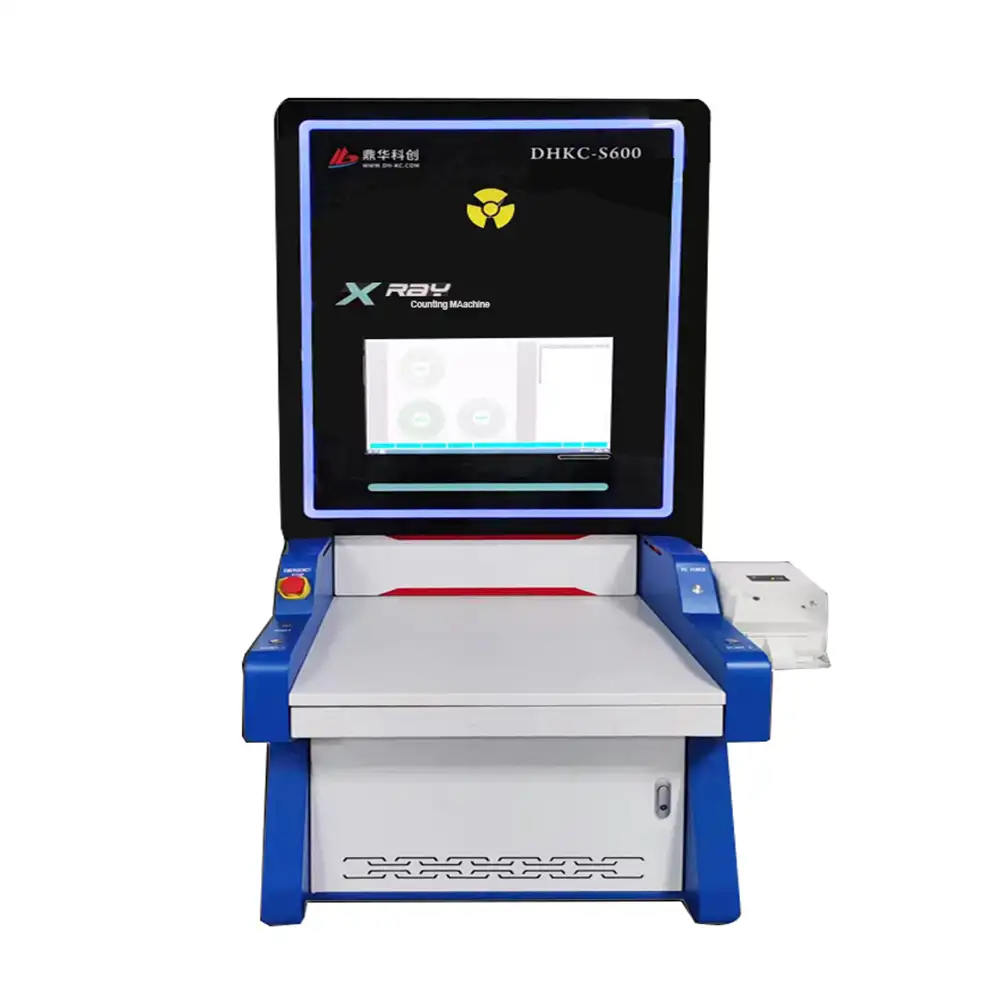
DHKC Xray Counter Machine: Accurate Non-Destructive SMD Counting for 2026 Electronics Production
This complete 2026 guide covers everything you need to know about the DHKC Xray counter machine, a purpose-built non-destructive counting solution for electronics manufacturing inventory management. We share real-world testing results, performance comparisons, use cases, and answers to common user questions to help you evaluate this tool for your production line.


Contact Us
> Tel: +8615768114827 /+86-755-29091822
> Fax: +86-0755-29091622
> Email: John@dh-kc.com
> Address: 4th Floor, Building 6B, Shengzuozhi Technology Park, Xinqiao(518125),Bao'an,Shenzhen, Guangdong, China.

Copyright © 2024 Shenzhen Dinghua Innovation Technology Co., Ltd. All Rights Reserved.