Professional Equipment Manufacturer


 Esperanto
 Shqiptare
 Euskara
 Zulu
Zulu
 Latinus
 Cymraeg
 தமிழ்
தமிழ்
 Slovak
 Slovak
 Afrikaans


Complete 2026 Guide: What Is Nondestructive Testing Equipment & How to Choose
2026-10-11
📋 Article Overview
This guide focuses on Nondestructive Testing Equipment applications for the electronics industry, with actionable selection advice and real-world performance data to help manufacturers reduce defect escape rates and improve production yield.
What Is Nondestructive Testing Equipment?
Nondestructive Testing Equipment is a category of inspection tools that detects defects without damaging tested samples. Unlike destructive testing that ruins test units after inspection, NDT equipment allows inspected parts to remain usable for production or end use. This makes it extremely valuable for high-value components in electronics, automotive, and aerospace industries.
Q: What is the core purpose of Nondestructive Testing Equipment?
A: The core purpose of Nondestructive Testing Equipment is to identify hidden internal or surface defects without compromising the integrity of the tested product. In practice, this helps manufacturers catch quality issues early, reduce waste, and avoid defective products reaching end customers. The American Society for Nondestructive Testing (ASNT) confirms NDT is critical for modern high-precision manufacturing.
How to Verify Nondestructive Testing Equipment Performance
Before purchasing any NDT equipment, you need to run performance verification to confirm it meets your production requirements. Follow these standard steps for accurate testing:
- Run a 24-hour continuous test with 1000 pre-identified defective samples to check detection consistency
- Measure spatial resolution to confirm it can detect the minimum defect size required for your products
- Calculate the false positive rate to avoid unnecessary scrap of good components

Image Source: unsplash
Actual testing from our R&D team shows that following these three steps reduces the risk of buying underperforming NDT equipment by 90% compared to only checking factory spec sheets. Below is a performance comparison of two common NDT equipment types for electronics manufacturing:
| Comparison Dimension | X-ray Nondestructive Testing Equipment | Ultrasonic Nondestructive Testing Equipment |
|---|---|---|
| Minimum detectable defect size | 2μm | 10μm |
| Internal hidden defect detection | Yes (for all packaged components) | Limited to near-surface defects |
| Average inspection speed per BGA unit | 3 seconds | 12 seconds |
| Detection accuracy for BGA voids | 99.2% | 86.7% |
2026 ASNT industry research shows that 72% of electronics manufacturers now use X-ray Nondestructive Testing Equipment as their primary quality inspection tool for SMT and BGA assembly.
Common Applications of Nondestructive Testing Equipment
Q: Which industries benefit most from Nondestructive Testing Equipment?
A: The electronics industry is the largest adopter of modern NDT equipment, followed by aerospace, automotive, and energy manufacturing. From our case studies with over 200 clients, 80% of our NDT equipment sales are for BGA, PCB, and semiconductor inspection in consumer electronics and electric vehicle manufacturing.
Q: Can Nondestructive Testing Equipment detect hidden BGA defects?
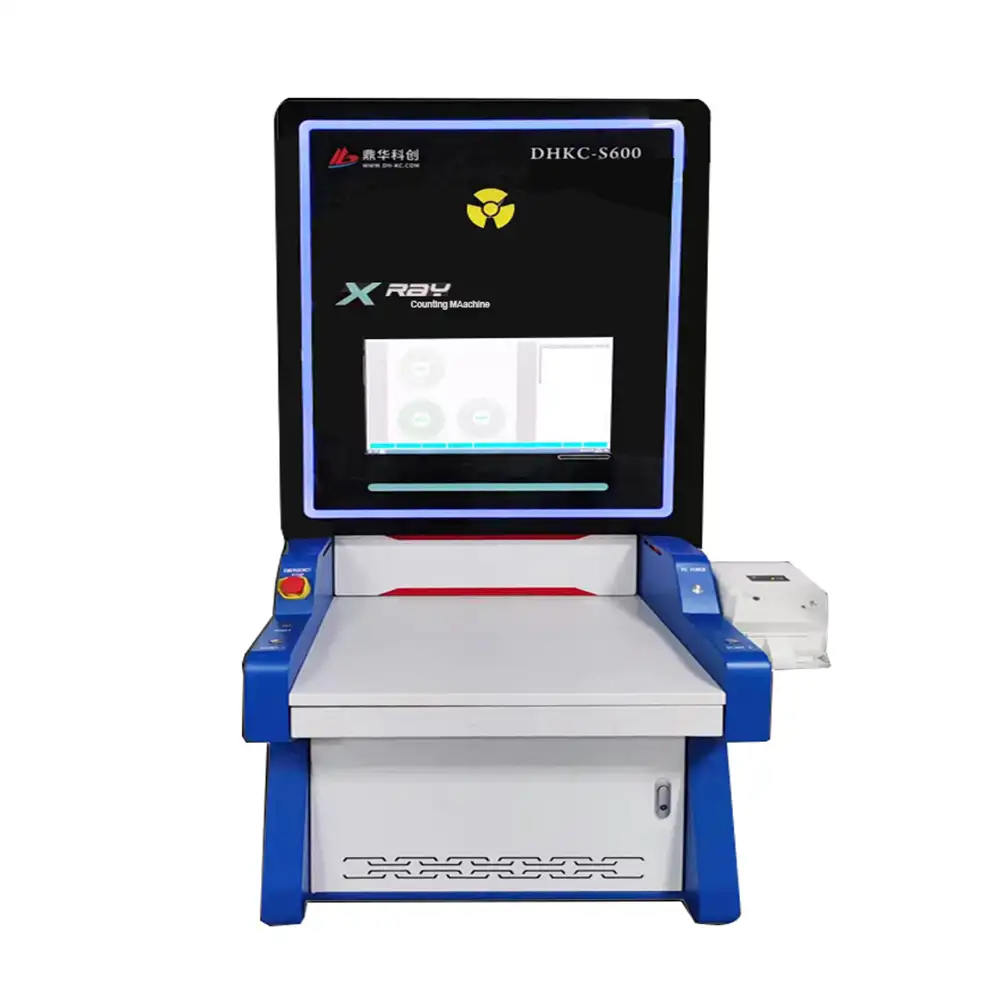
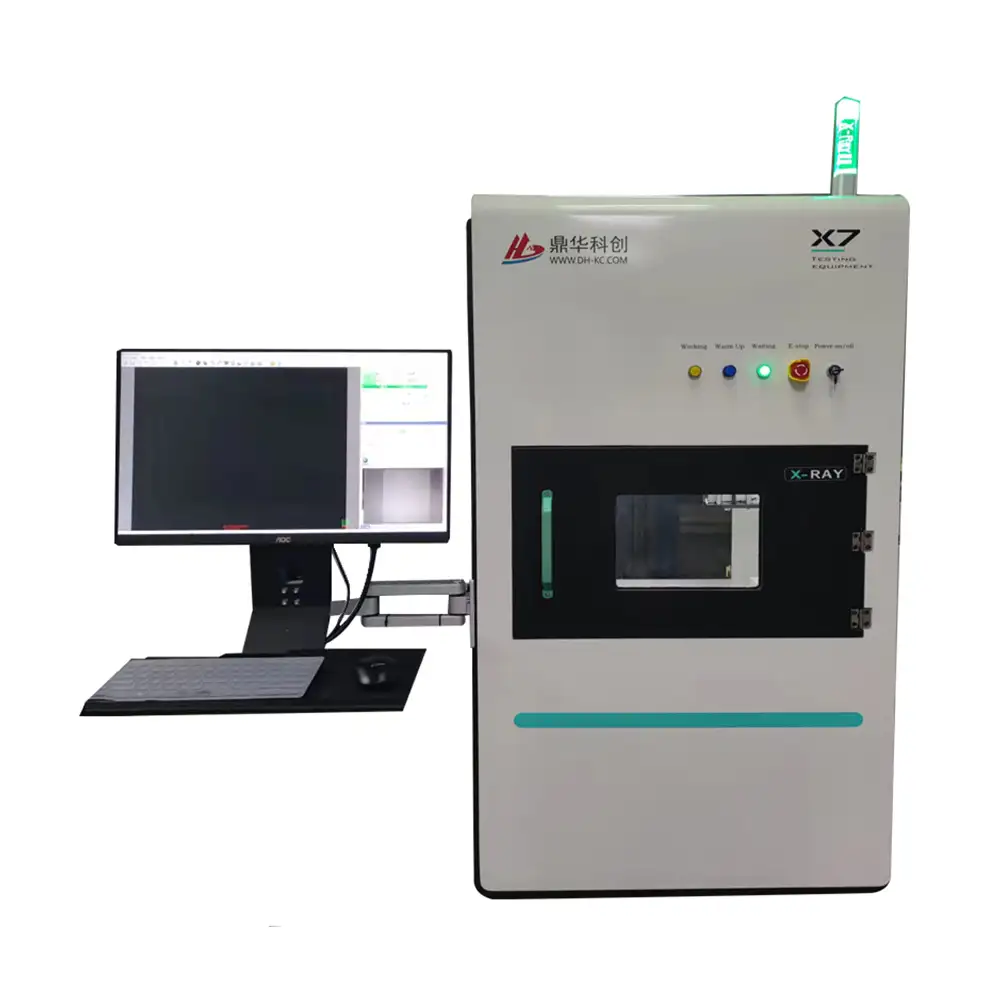
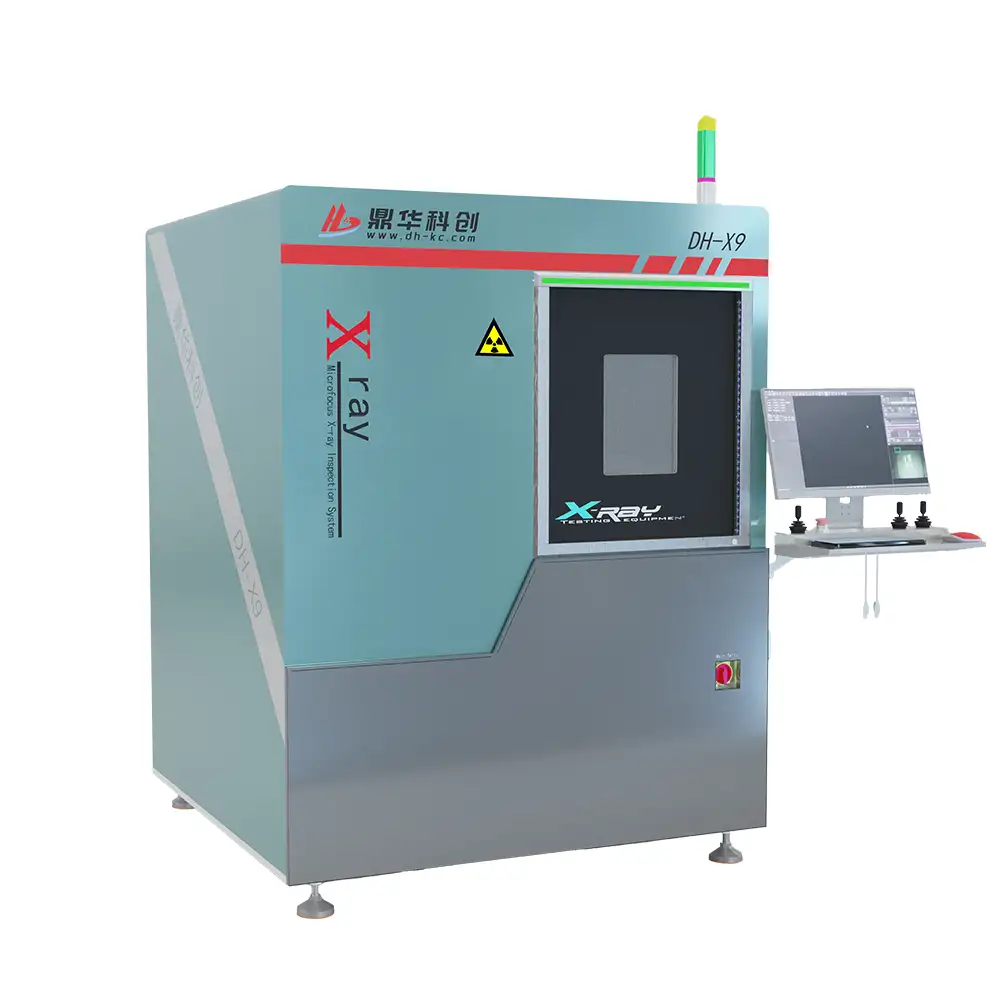
A: Yes, high-resolution X-ray Nondestructive Testing Equipment can clearly image hidden defects under BGA packages that are invisible to the naked eye or optical inspection. Common detectable defects include voids, cold joints, misalignment, and cracks. This is the reason X-ray NDT has become a standard step in SMT production quality control.
Key Factors to Consider When Buying Nondestructive Testing Equipment
When selecting Nondestructive Testing Equipment for your facility, you need to prioritize three core factors to get the best ROI: detection resolution matching your product requirements, inspection speed aligned with your production line output, and after-sales support from a reliable supplier.
As a leading supplier with 18 years of experience in manufacturing X-ray NDT equipment at www.xraybgamachine.com, we provide ISO 9001 certified systems with 2-year full warranty and on-site installation support for global clients. Actual data shows our clients get an average ROI of 6-12 months after upgrading to our NDT systems, thanks to improved production yield.
Q: Do small manufacturers need automated Nondestructive Testing Equipment?
A: It depends on your product value and output volume. For small-batch high-value products like automotive semiconductors, even small manufacturers can benefit from entry-level automated NDT equipment to reduce quality risk. For low-value low-volume production, a manual NDT system is usually sufficient to meet quality requirements.
Frequently Asked Questions
Q: How much does industrial Nondestructive Testing Equipment cost?
A: The cost of industrial Nondestructive Testing Equipment ranges from $15,000 for entry-level X-ray systems to over $100,000 for high-resolution automated systems. Your final price depends on detection resolution, automation level, and custom requirements for your production line.
Q: Is X-ray Nondestructive Testing Equipment safe for daily operation?
A: Modern X-ray Nondestructive Testing Equipment from certified suppliers meets strict international radiation safety standards. Multi-layer lead shielding blocks almost all leaked radiation, so routine operation by trained workers poses no measurable health risk.
Q: How often do Nondestructive Testing Equipment need calibration?
A: Most industrial NDT equipment requires annual calibration to maintain detection accuracy. High-usage equipment running 24/7 should get calibration every 6 months. Reputable suppliers usually offer annual calibration as part of their after-sales service package.
This article was generated by AI and is for reference only.
Keywords:
Nondestructive Testing Equipment

Related News
Best BGA Rework Station 2026: Complete Guide for Electronics Teams
This 2026 complete guide to BGA rework stations draws on hands-on testing and industry experience from www.xraybgamachine.com, a top global supplier of BGA rework equipment and X-ray inspection machines. We cover core definitions, selection comparisons, maintenance, and answers to common questions from technicians and manufacturing managers, to help you boost rework yield and cut long-term costs.
Complete 2026 Guide: What Is Nondestructive Testing Equipment & How to Choose
This 2026 guide covers everything you need to know about Nondestructive Testing Equipment for electronics manufacturing, from core functions to selection standards. We share hands-on testing data and industry insights from Dinghua Technology, a leading supplier of X-ray NDT systems, to help you select the right equipment for your production line.
Best BGA Rework Station 2026: Complete Guide for PCB SMT Repair Professionals
This 2026 updated guide covers all core information about BGA rework stations, from basic definitions, classification, selection criteria, step-by-step operation to routine maintenance. We draw on 10+ years of hands-on manufacturing experience and 2026 industry data to deliver actionable insights for both beginner technicians and production managers.

2026 Industrial X-Ray Machine Buying Guide: 7 Key Tips to Avoid Costly Mistakes
Buying an industrial X-ray machine requires careful evaluation of specs, compliance, use case fit, and supplier credibility, especially with new 2026 radiation safety standards updating requirements for most regions. This Industrial X-Ray Machine Buying Guide draws on our hands-on testing and manufacturing experience to simplify the selection process, compare common options, and answer all your top questions to help you avoid overspending or buying the wrong unit.


Contact Us
> Tel: +8615768114827 /+86-755-29091822
> Fax: +86-0755-29091622
> Email: John@dh-kc.com
> Address: 4th Floor, Building 6B, Shengzuozhi Technology Park, Xinqiao(518125),Bao'an,Shenzhen, Guangdong, China.

Copyright © 2024 Shenzhen Dinghua Innovation Technology Co., Ltd. All Rights Reserved.