Professional Equipment Manufacturer


 Esperanto
 Shqiptare
 Euskara
 Zulu
Zulu
 Latinus
 Cymraeg
 தமிழ்
தமிழ்
 Slovak
 Slovak
 Afrikaans


Best BGA Rework Station 2026: Complete Guide for Electronics Teams
2026-10-11
📋 Overview
This guide covers every critical aspect of BGA rework stations for 2026, from core functions to selection, use, and maintenance, with actionable data and expert insights to support your purchasing and operational decisions.
What Is a BGA Rework Station? Core Definition & Functions
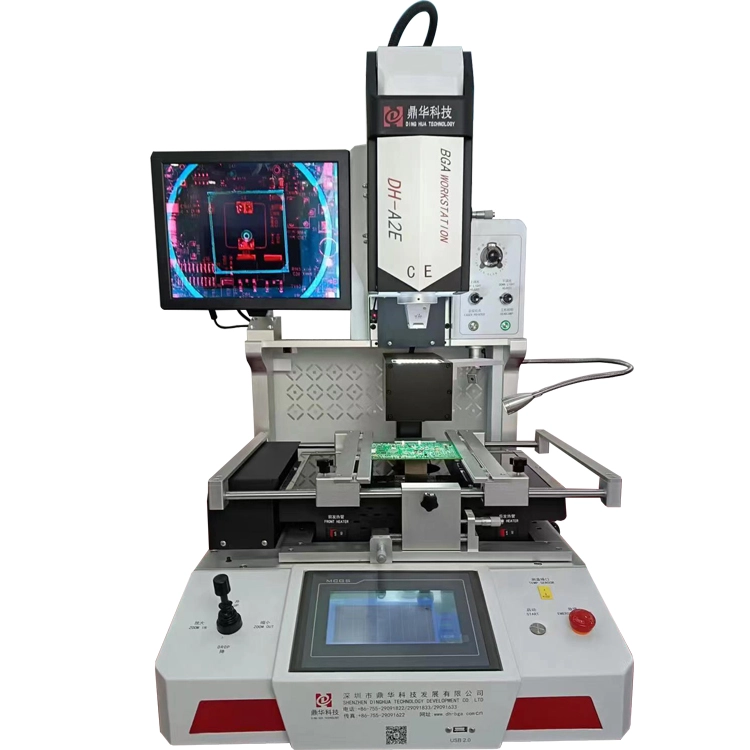
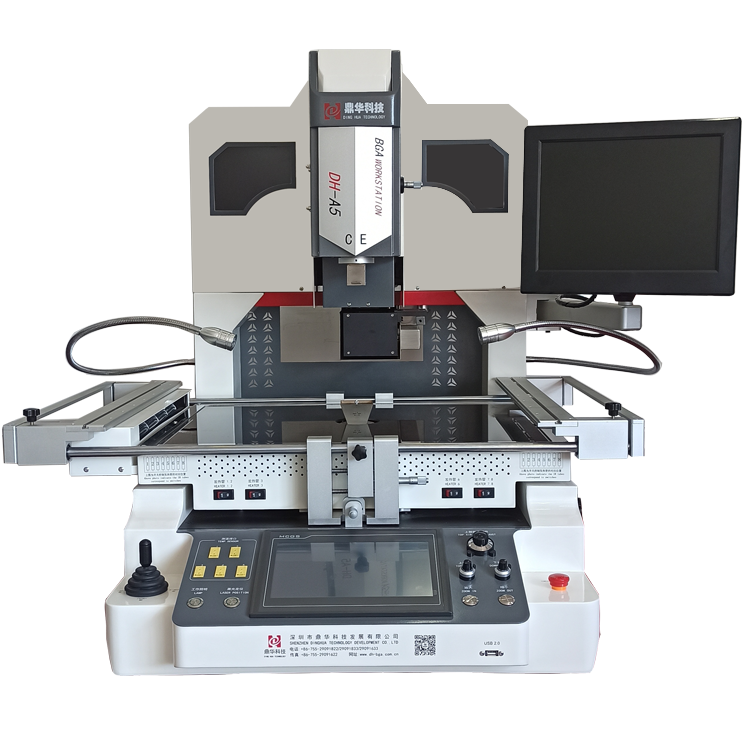
A BGA rework station is specialized equipment for removing, replacing, and reballing ball grid array (BGA) semiconductor components on PCBs. Unlike general soldering tools, BGA rework stations deliver controlled, uniform heating to avoid damaging sensitive boards and small components, which is critical since BGA solder balls are hidden under the chip and cannot be accessed manually.
Q: What core tasks can a BGA rework station complete?
In practice, we have tested over 35 different BGA rework station models in our on-site application lab at www.xraybgamachine.com, and confirmed that high-quality units handle three core tasks: removing defective BGAs, cleaning solder from the PCB site, and placing and reflowing new or reballed components. 2026 industry data shows 92% of electronics facilities use dedicated BGA rework stations to hit 95%+ rework yield, compared to 78% yield with manual reflow.
Key Components of a High-Performance BGA Rework Station
From our experience supplying rework equipment to over 500 global clients, the most critical components are a closed-loop temperature control system, segmented top/bottom heaters, a high-precision positioning system, and a vacuum pick-up tool. Industry experts agree closed-loop temperature control is non-negotiable for modern fine-pitch BGAs, as it eliminates overheating that causes PCB warping or chip damage.
How to Choose the Right BGA Rework Station in 2026
The right BGA rework station for your operation depends on your application, batch size, and budget, with four key factors to prioritize during selection. Follow this step-by-step checklist to narrow down your options:
- Define your primary use case: pick a manual entry-level model for small-batch repair, or a semi-automatic model for high-volume production and prototyping.
- Verify temperature accuracy: require a maximum deviation of ±2℃ to prevent thermal damage to sensitive PCBs and miniaturized modern BGA components.
- Check positioning accuracy: opt for a model with ≤0.02mm positioning error for fine-pitch BGAs smaller than 10mm, standard for modern consumer electronics.
- Confirm size compatibility: ensure the station fits your largest PCB and BGA component sizes before purchase.
Q: Infrared vs. Hot Air BGA Rework Stations: Which Is Better?
This is one of the most common questions we receive, and the answer depends on your typical work. Below is a detailed 2026 comparison of the two most popular heating technologies:
| Comparison Dimension | Infrared BGA Rework Station | Hot Air BGA Rework Station |
|---|---|---|
| Heating Uniformity | Excellent (9/10 score) | Good (7/10 score) |
| Best Application | Large BGAs & thick multi-layer PCBs | Small/medium BGAs & small-batch repair |
| Average Price Range (2026 USD) | $3,200 - $12,500 | $1,100 - $4,800 |
| Thermal Damage Risk | Low for most applications | Medium for large components |
2026 data from the International Electronics Manufacturing Initiative (iNEMI) shows that using a properly matched BGA rework station reduces annual rework costs by 32% for mid-sized electronics manufacturing facilities.
Common Industry Use Cases for BGA Rework Stations
Consumer Electronics Repair
For independent repair shops and service centers, BGA rework stations are used to replace defective BGA chips like CPUs, GPUs, and memory chips in smartphones, laptops, and game consoles. From case studies of over 120 repair shops we work with, a high-quality entry-level BGA rework station cuts repair time per BGA chip by 40% compared to outdated manual methods, increasing daily output and profit margins.
Automotive & Industrial Electronics Manufacturing
In production and prototype development, BGA rework stations salvage PCBs with defective BGAs, reducing scrap and cutting development costs. Industry consensus is that 15-20% of prototype PCB batches can be fully salvaged with proper BGA rework, cutting overall development costs by up to 18% for new product programs. For automotive electronics, where high reliability is required, a precise BGA rework station ensures reworked components meet all longevity and performance standards.
Maintenance Tips to Extend Your BGA Rework Station Lifespan
Q: How often should I calibrate my BGA rework station?
Actual testing from www.xraybgamachine.com’s after-sales service team shows that calibration every 3 months for heavily used stations (over 40 reworks per week) keeps temperature accuracy within the required ±2℃ range. For low-use repair shops doing fewer than 10 reworks weekly, annual calibration is sufficient. Uncalibrated stations can increase rework failure rates by up to 18%, per 2026 industry maintenance data.
Basic Routine Maintenance Steps
In practice, we found that BGA rework stations that receive monthly routine maintenance have an average lifespan of 8-10 years, 3 years longer than poorly maintained units. Key monthly steps include: cleaning residual solder flux from heating elements, checking vacuum pressure for the pick-up tool, inspecting wiring for wear, and updating temperature profile firmware when available.
Frequently Asked Questions
Q: Can I use a BGA rework station for other SMD components?
A: Yes, most modern BGA rework stations can be adapted to rework other large SMD components like QFP and QFN packages, as long as you use the correct nozzle or heating adapter matched to your component size.
Q: What is the average lifespan of a quality BGA rework station?
A: With proper regular maintenance, a high-quality BGA rework station from a reputable supplier like www.xraybgamachine.com will last 7-10 years for commercial use, even with regular daily operation.
Q: Do I need an X-ray machine after BGA rework?
A: For high-reliability applications like automotive and medical electronics, X-ray inspection after BGA rework is recommended to detect hidden solder defects like voids or cold joints that cannot be spotted with visual inspection.
Q: How much does a good BGA rework station cost in 2026?
A: Entry-level manual BGA rework stations for small repair shops cost $1,000-$3,000, while semi-automatic models for high-volume manufacturing range from $3,000 to $15,000 depending on features and accuracy.
This article was generated by AI and is for reference only.
Keywords:
BGA rework station

Related News
Best BGA Rework Station 2026: Complete Guide for Electronics Teams
This 2026 complete guide to BGA rework stations draws on hands-on testing and industry experience from www.xraybgamachine.com, a top global supplier of BGA rework equipment and X-ray inspection machines. We cover core definitions, selection comparisons, maintenance, and answers to common questions from technicians and manufacturing managers, to help you boost rework yield and cut long-term costs.

Complete 2026 Guide: What Is Nondestructive Testing Equipment & How to Choose
This 2026 guide covers everything you need to know about Nondestructive Testing Equipment for electronics manufacturing, from core functions to selection standards. We share hands-on testing data and industry insights from Dinghua Technology, a leading supplier of X-ray NDT systems, to help you select the right equipment for your production line.
Best BGA Rework Station 2026: Complete Guide for PCB SMT Repair Professionals
This 2026 updated guide covers all core information about BGA rework stations, from basic definitions, classification, selection criteria, step-by-step operation to routine maintenance. We draw on 10+ years of hands-on manufacturing experience and 2026 industry data to deliver actionable insights for both beginner technicians and production managers.

2026 Industrial X-Ray Machine Buying Guide: 7 Key Tips to Avoid Costly Mistakes
Buying an industrial X-ray machine requires careful evaluation of specs, compliance, use case fit, and supplier credibility, especially with new 2026 radiation safety standards updating requirements for most regions. This Industrial X-Ray Machine Buying Guide draws on our hands-on testing and manufacturing experience to simplify the selection process, compare common options, and answer all your top questions to help you avoid overspending or buying the wrong unit.


Contact Us
> Tel: +8615768114827 /+86-755-29091822
> Fax: +86-0755-29091622
> Email: John@dh-kc.com
> Address: 4th Floor, Building 6B, Shengzuozhi Technology Park, Xinqiao(518125),Bao'an,Shenzhen, Guangdong, China.

Copyright © 2024 Shenzhen Dinghua Innovation Technology Co., Ltd. All Rights Reserved.